






PharmExPrep

Free lesson

Kidney Failure Pharmacology Context

The first lesson of BCTXP Prep Course (BCTXP), free to read.

Kidney Failure Pharmacology Context

Topic: 1.1.1

Exam: Board of Pharmacy Specialties (BPS) Board Certified Transplant Pharmacist (BCTXP) Examination

Estimated time: 45–60 minutes

Prereqs: Transplant Foundations overview; renal physiology basics; acid-base and electrolyte fundamentals; medication history and reconciliation concepts from upcoming clinical assessment topics

Key outputs: You should be able to identify how kidney failure changes medication exposure, choose the safest renal dose-adjustment strategy, reject common dosing traps in transplant candidates, and monitor medication-related toxicity before and after kidney transplant.

What you'll learn

  • Explain how reduced glomerular filtration, uremia, and volume shifts alter pharmacokinetics and pharmacodynamics in transplant candidates.
  • Apply a pharmacist decision framework for renal dose adjustment, dialysis-related dosing, and medication safety review.
  • Distinguish kidney failure effects from other causes of altered drug exposure that appear in transplant stems.
  • Recognize high-yield medication classes that require special handling in advanced kidney disease before kidney transplant.
  • Recommend monitoring plans for efficacy, toxicity, and transitions of care in patients with end-stage kidney disease.

Blueprint mapping

  • DOMAIN: Clinical decision-making in transplant pharmacotherapy → Subskill: renal function-based dose adjustment in transplant candidates and recipients
  • DOMAIN: Therapeutic drug monitoring → Subskill: interpret kidney function, dialysis status, and timing when evaluating medication concentrations
  • DOMAIN: Drug interactions and adverse effects → Subskill: identify nephrotoxic, renally cleared, and accumulation-prone medications in kidney failure
  • DOMAIN: Medication safety and transitions of care → Subskill: reconcile home medications, OTCs, and dialysis-era regimens during transplant evaluation and peri-transplant transition
  • DOMAIN: Organ-specific transplant medication management → Subskill: connect pre-transplant kidney failure physiology to post-transplant immunosuppressant planning

Why it matters

  • Kidney failure changes more than serum creatinine; it changes clearance, protein binding, volume status, toxin exposure, and the reliability of drug-response assumptions.
  • Board questions often hide the real task inside a transplant scenario: the best answer is not the diagnosis, but the safest medication-related recommendation.
  • Many wrong answers are “almost right” except for one renal adjustment issue, one dialysis timing issue, or one nephrotoxic interaction.
  • These concepts become the foundation for tacrolimus, valganciclovir, TMP-SMX, antifungal, and antimicrobial dosing throughout the course.
Recall: This is the first topic in the course, so build your baseline framework here. In upcoming lessons on liver failure and cardiopulmonary failure, you will compare renal clearance problems with hepatic metabolism and altered perfusion problems.

Key Terms & Must-Know Facts

Key terms

  • CKD: Chronic kidney disease with persistent structural or functional kidney abnormality.
  • ESKD: End-stage kidney disease requiring dialysis or kidney replacement consideration.
  • GFR: Best overall index of kidney filtration capacity for many dosing decisions.
  • Creatinine clearance: Estimate used in many drug labels and historic dose recommendations.
  • Uremia: Clinical syndrome of retained solutes affecting organ function and drug response.
  • Protein binding: Fraction of drug bound to albumin or other proteins; unbound drug is pharmacologically active.
  • Volume of distribution: Apparent distribution of drug into body compartments; altered by edema, ascites, obesity, and muscle mass.
  • Dialyzability: Likelihood a drug is removed by dialysis, influenced by molecular size, protein binding, water solubility, and \(V_d\).
  • Nephrotoxin: Drug that can worsen kidney injury or accelerate residual function loss.
  • Residual renal function: Remaining kidney clearance in dialysis patients; may still matter for dosing.
  • Renally cleared metabolite: Active or toxic metabolite that accumulates when kidney function falls.
  • Preemptive transplant candidate: Candidate approaching kidney transplant before dialysis initiation.
  • Therapeutic drug monitoring: Use of measured concentrations plus timing and clinical context to guide dosing.

Must-know facts

  • Serum creatinine alone can mislead in low muscle mass, sarcopenia, amputation, cachexia, or fluid overload.
  • Many exam stems test whether you know that eGFR and Cockcroft-Gault are not interchangeable for every drug label.
  • Dialysis does not automatically “fix” medication accumulation; some drugs are barely removed.
  • Uremia can increase bleeding risk and alter platelet function independent of anticoagulant use.
  • Hypoalbuminemia can increase free concentrations of highly protein-bound drugs.
  • Avoid reflexively holding all renally cleared drugs; some require dose reduction, timing adjustment, or monitoring rather than discontinuation.
  • In transplant candidates, medication safety includes preserving residual kidney function and avoiding avoidable nephrotoxins.
  • A “normal” creatinine after transplantation may not mean normal drug handling if delayed graft function or dialysis persists.

Core content

Fig 1. Renal pharmacology decision map
Exam takeaway: Use this sequence to decide whether the dosing problem is filtration, dialysis removal, protein binding, or nephrotoxicity.
flowchart TD
A[Medication question in kidney failure] --> B{What drives exposure?}
B --> C[Renal clearance]
B --> D[Dialysis removal]
B --> E[Protein binding and uremia]
B --> F[Nephrotoxic potential]
C --> G[Adjust dose or interval]
D --> H[Time dose before or after dialysis]
E --> I[Interpret total vs free effect carefully]
F --> J[Choose safer alternative and monitor]
Fig 2. Dialysis dosing branch points
Exam takeaway: The key stem clue is whether the drug is removed by dialysis and whether the dose should be scheduled after the session.
flowchart TD
A[Patient on dialysis] --> B{Is drug significantly dialyzable?}
B -->|Yes| C[Consider post-dialysis supplemental dose]
B -->|No| D[Dose by residual renal function and standard interval]
C --> E{Intermittent HD today?}
E -->|Yes| F[Schedule after session]
E -->|No| G[Use non-HD plan]
D --> H[Monitor accumulation and efficacy]
Fig 3. Kidney failure PK illustration
Exam takeaway: Visualize how low GFR, edema, and hypoalbuminemia shift clearance, distribution, and free drug exposure.
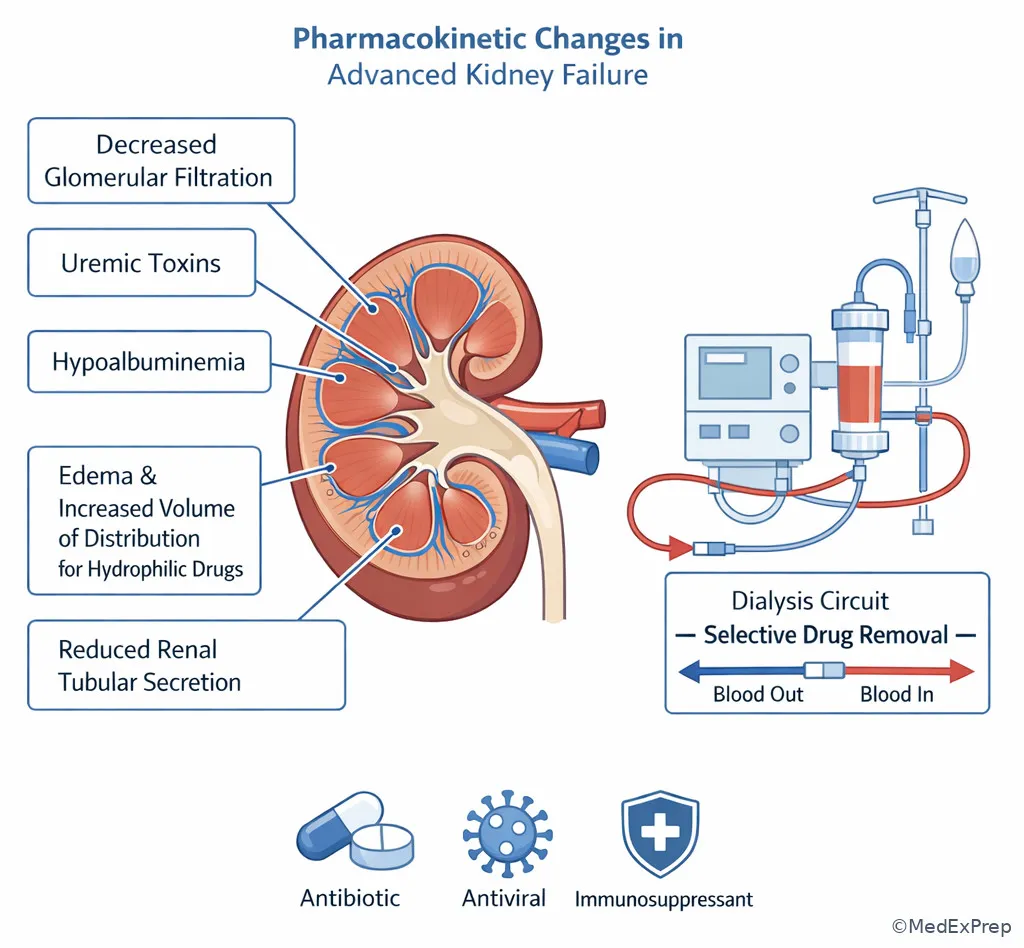
Fig 3. Kidney failure PK illustration
Fig 4. Hemodialysis medication timing schematic
Exam takeaway: When a stem gives a dialysis schedule, use it to decide whether the dose belongs before, after, or independent of the session.
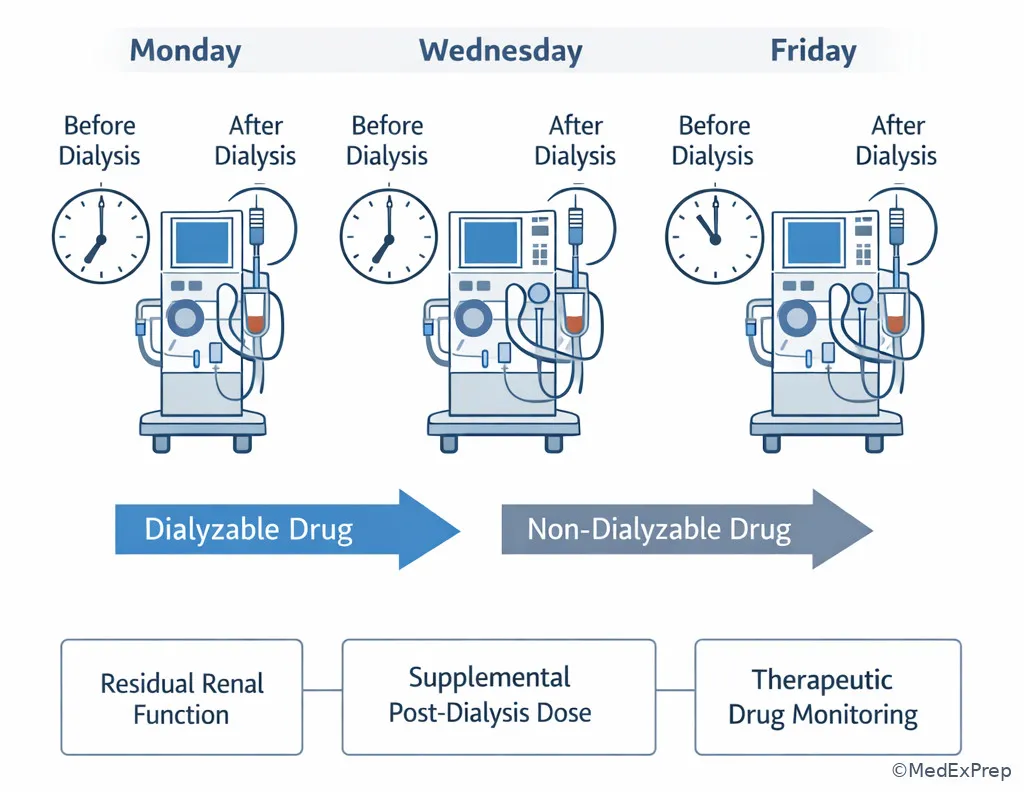
Fig 4. Hemodialysis medication timing schematic
Fig 5. Uremia and protein binding concept image
Exam takeaway: In advanced kidney disease, altered protein binding can make total concentration data less reliable than the clinical picture.
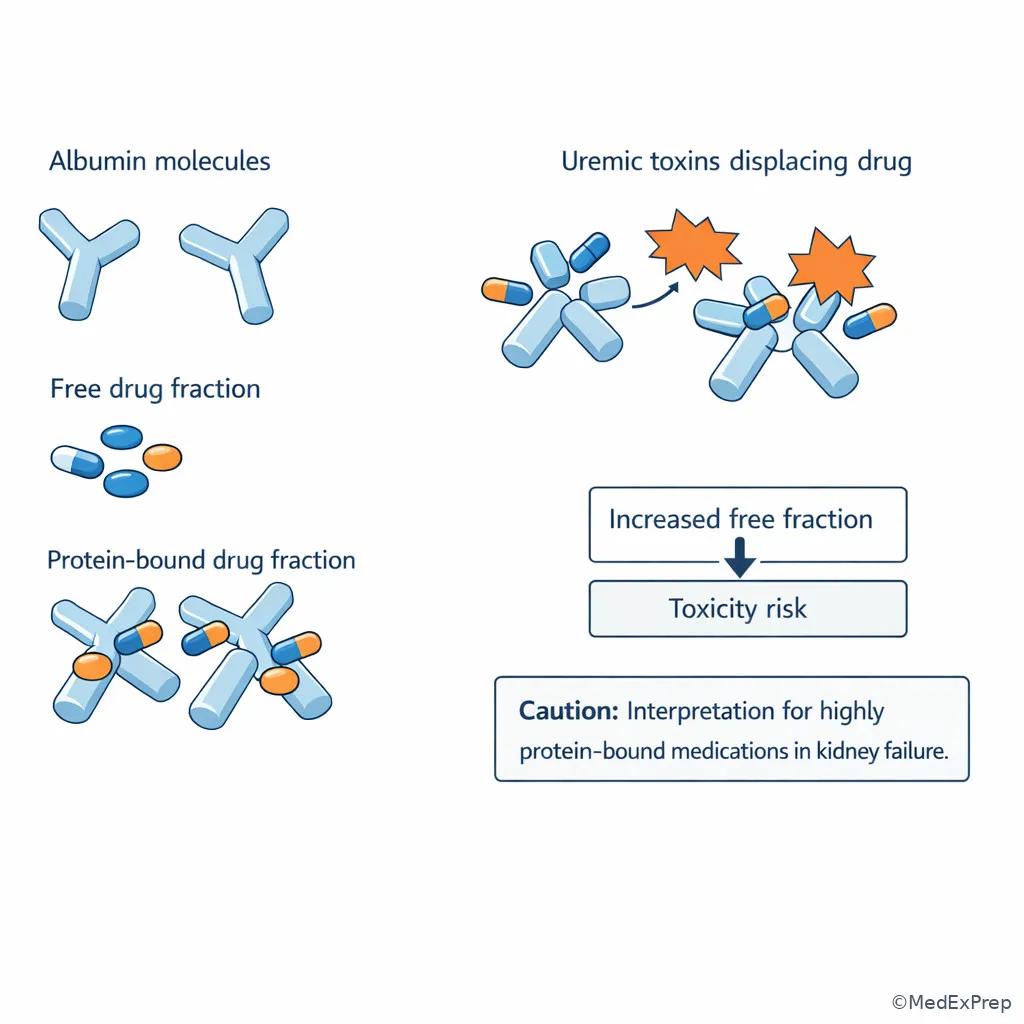
Fig 5. Uremia and protein binding concept image
Fig 6. Transplant candidate medication safety checklist
Exam takeaway: In pre-kidney transplant patients, the safest pharmacist action is usually to reconcile nephrotoxins, renally cleared drugs, and dialysis-era medications before surgery.
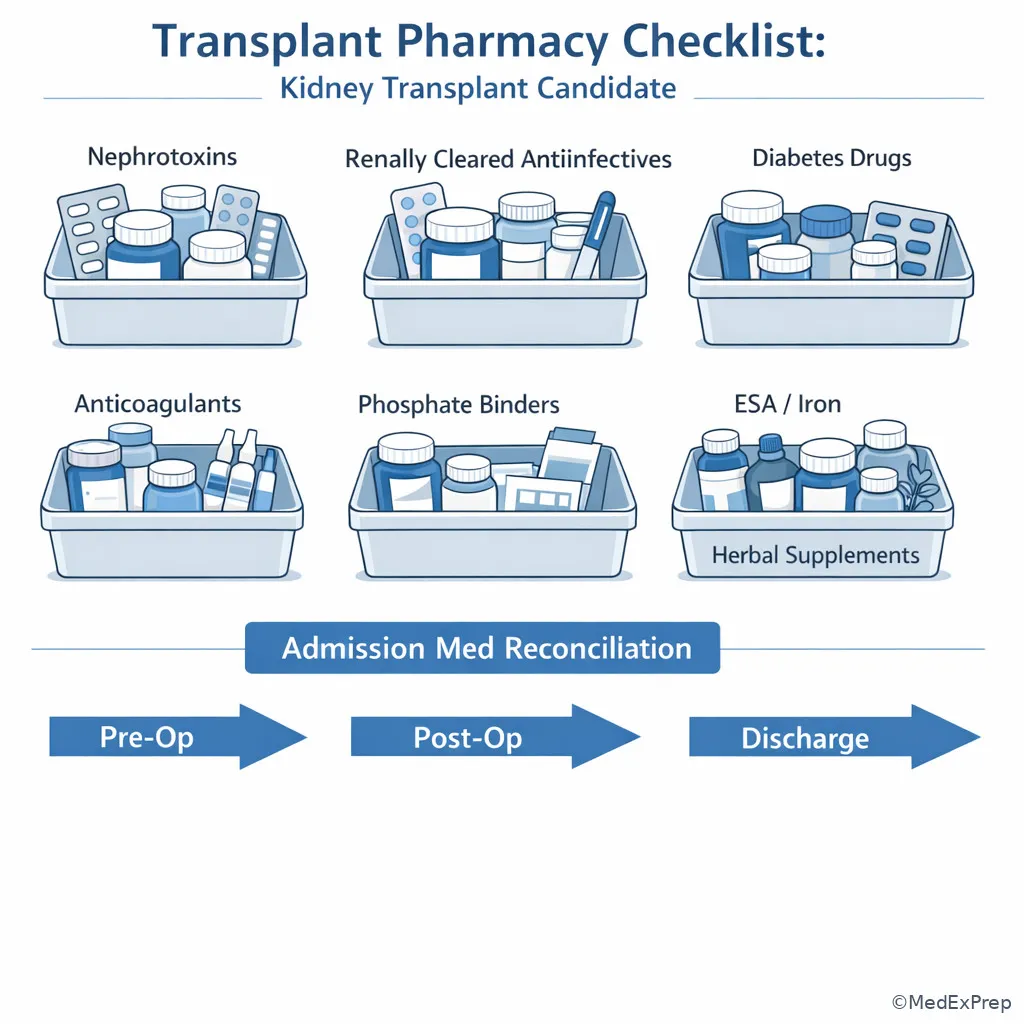
Fig 6. Transplant candidate medication safety checklist
Renal replacement modality comparison image
Exam takeaway: Different dialysis modalities create different assumptions about drug removal, so do not apply intermittent hemodialysis rules to all patients.
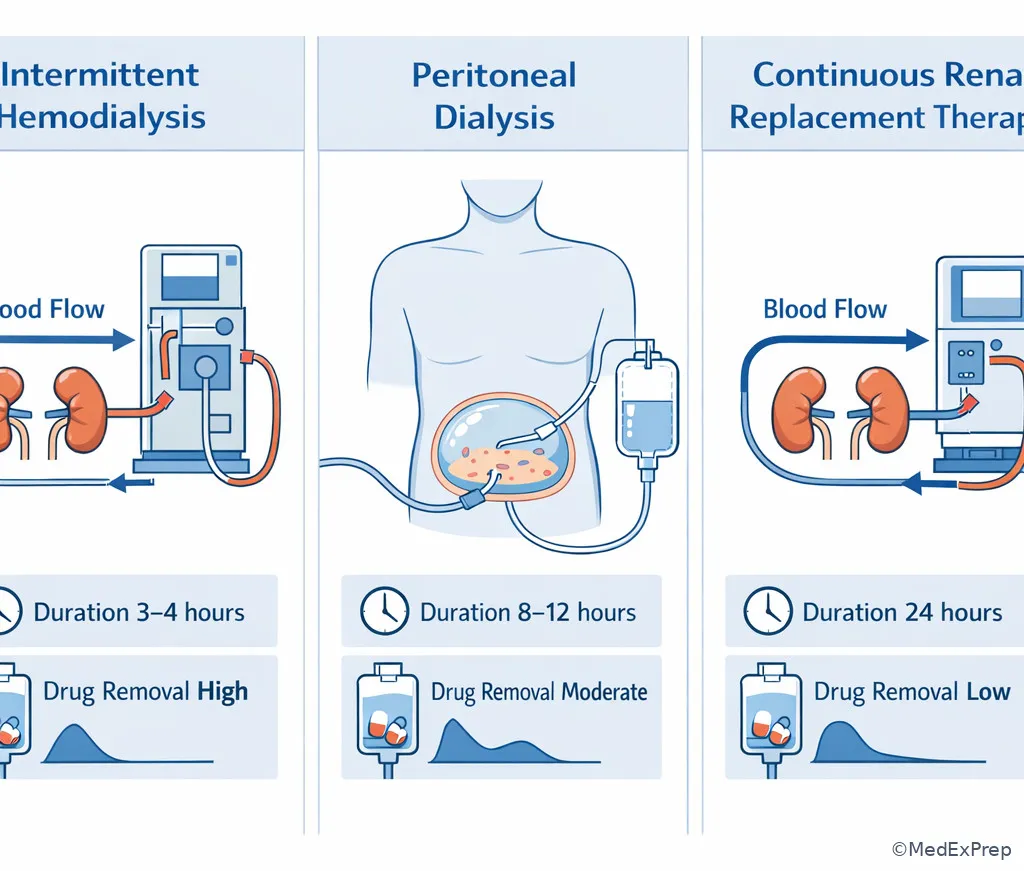
Renal replacement modality comparison image
Renally cleared antiinfective dosing concept image
Exam takeaway: Antiinfectives are frequent exam targets because efficacy failure and toxicity can both result from incorrect renal adjustment.
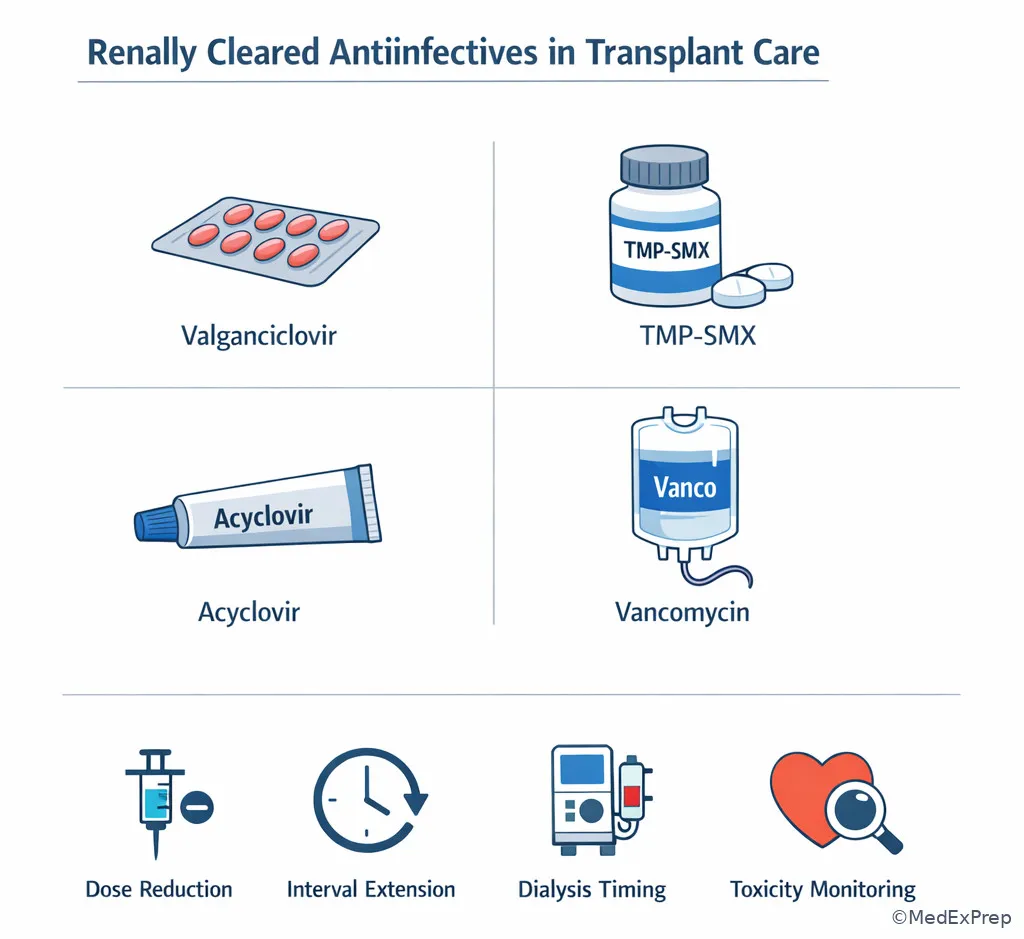
Renally cleared antiinfective dosing concept image
Medication-related causes of worsening kidney function
Exam takeaway: When kidney function worsens, separate hemodynamic effects, intrinsic nephrotoxicity, and exposure-related injury before changing therapy.
flowchart LR
A[Creatinine rises] --> B[Volume depletion or low perfusion]
A --> C[Drug nephrotoxicity]
A --> D[Obstruction or other non-drug issue]
C --> E[CNI effect]
C --> F[NSAID]
C --> G[ACEI or ARB hemodynamic change]
C --> H[Antimicrobial toxicity]
B --> I[Review BP, diuretics, intake]
D --> J[Escalate for non-pharmacist evaluation]

1.1.1.1 Foundational PK changes in kidney failure

A. Explanation

The decision conflict in early kidney failure questions is usually this: should you treat the patient as if only renal clearance changed, or should you also account for altered distribution and protein binding? The single resolving rule is to first identify whether the drug is primarily renally eliminated, highly hydrophilic, or highly protein bound. Reduced GFR slows elimination of many parent drugs and metabolites, but that is only part of the exposure story. Edema can expand the volume of distribution of water-soluble drugs, delaying attainment of target concentrations and sometimes justifying a usual loading dose even when the maintenance dose must be reduced. Uremia and hypoalbuminemia can increase the free fraction of highly protein-bound drugs, making “total level” interpretation less intuitive. See Fig 1 and Fig 5.

WHY THIS IS TESTED: Board items often present a low eGFR and ask for the most appropriate next step, but the correct answer depends on whether the medication problem is under-clearance, altered free drug exposure, or a distribution issue. Choose the standard loading dose for serious infection when rapid target attainment matters; reject automatic maintenance-dose equivalence. Choose closer toxicity monitoring when the drug is highly protein bound and the patient has severe uremia; reject blind reliance on total concentrations or standard adult dosing.

Key rule: In kidney failure, loading dose usually follows volume of distribution and target concentration, while maintenance dose follows clearance. Mixing those two decisions is a common exam error.
Concept flow: PK logic in kidney failure
Start with the drug
Ask whether the parent drug or metabolite depends on renal elimination.

Distribution or binding issue?
Edema suggests larger volume for hydrophilic drugs; uremia suggests altered free fraction for some protein-bound drugs.

Separate loading from maintenance
Loading dose reaches target; maintenance dose prevents accumulation.

Verify with monitoring
Check efficacy, toxicity, and concentrations if the drug supports TDM.

Memory anchor: \(LDM = Load by Distribution\), Maintain by Metabolism/Clearance. If you remember one dosing rule in kidney failure, remember that loading and maintenance are not the same question.
Pharmacist Action: NOTICE: low muscle mass, edema, hypoalbuminemia, and severe uremic symptoms. SAY: “This dose needs separate loading and maintenance decisions because kidney failure changes clearance and may also change distribution.” MONITOR: renal function trend, weight, albumin if relevant, drug level if applicable, and toxicity signs at each dose change. HOLD/CLARIFY/ESCALATE: clarify if the regimen uses a standard maintenance dose of a primarily renally cleared drug despite severe kidney failure.

B. Worked example

A 59-year-old man undergoing kidney transplant evaluation has diabetic nephropathy, heart failure with preserved ejection fraction, and obesity. He is admitted with pneumonia and is prescribed a renally cleared IV antibiotic. His serum creatinine is 6.8 mg/dL, albumin 2.6 g/dL, and he has marked peripheral edema. A team member suggests reducing both the loading dose and the maintenance dose because “his kidneys do not work.” A mildly elevated AST appears in the stem as a distractor.

Reasoning chain: Identify the task: choose the safest initial dosing strategy. Extract key facts: severe kidney failure, edema, hypoalbuminemia, serious infection, renally cleared hydrophilic drug. Apply the rule: serious infection still needs adequate early exposure, so the loading dose is often preserved; maintenance is reduced or interval extended because clearance is impaired. Eliminate distractors: the mildly elevated AST is tempting because hepatic dysfunction can also alter exposure, but this stem is driven by renal clearance and distribution. Verify: recommend a usual loading dose if appropriate for the agent, adjust maintenance by kidney function, and monitor drug-specific efficacy and toxicity.

C. Exam trap

Common wrong answer: Reduce the loading dose simply because eGFR is very low. WHY IT IS TEMPTING: learners correctly recognize renal failure causes accumulation and overapply that rule to every component of the regimen. The SINGLE CLUE that eliminates it: serious infection plus edema points to a target-attainment problem first, not just an accumulation problem.

D. Checkpoint

Question: A pre-kidney transplant candidate with ESKD, anasarca, and a severe bacterial infection needs a hydrophilic renally cleared antibiotic. What is the most appropriate dosing principle?

  1. Reduce both the loading dose and maintenance dose because renal clearance is reduced.
  2. Use a standard loading dose, then reduce maintenance exposure based on renal function.
  3. Avoid the drug entirely because edema makes dosing impossible.
  4. Keep the maintenance dose unchanged and only prolong therapy duration.
  • A: Tempting because low kidney function does require maintenance adjustment, but wrong because loading dose is based more on distribution and target attainment.
  • B: Tempting because it seems aggressive, and correct because edema may expand distribution while poor renal clearance requires lower maintenance exposure.
  • C: Tempting when edema creates uncertainty, but wrong because many such drugs remain usable with adjusted maintenance dosing and monitoring.
  • D: Tempting if one thinks infection severity requires “full treatment,” but wrong because unchanged maintenance in severe kidney failure risks accumulation and toxicity.
If you missed this: Review 1.1.1.1 Foundational PK changes in kidney failure — focus on the discriminator that loading dose and maintenance dose answer different pharmacokinetic questions.

1.1.1.2 Estimating renal function for medication decisions

A. Explanation

The decision conflict here is whether to use serum creatinine at face value or interpret kidney function through the lens of the dosing method specified for the medication. The single rule that resolves most board stems is: use the renal function estimate that best matches the drug’s labeling or validated dosing data, while recognizing clinical situations where creatinine-based estimates are unreliable. Cockcroft-Gault historically underpins many dose recommendations, while eGFR is commonly reported by the laboratory and useful for CKD staging. In sarcopenia, cachexia, amputation, advanced age, cirrhosis, or fluid overload, serum creatinine can underestimate the severity of kidney dysfunction because creatinine generation is low. In those stems, the safer pharmacist action is to question apparently “acceptable” dosing, not to celebrate a deceptively low creatinine. See Fig 3.

WHY THIS IS TESTED: Questions often tempt you to anchor on a creatinine value instead of the patient’s physiology. Choose cautious interpretation when the patient has low muscle mass or acute changes; reject full-dose renally cleared therapy based only on an apparently modest serum creatinine. If the medication label uses creatinine clearance thresholds, pick the answer that aligns with those thresholds unless the stem gives a reason that creatinine is unreliable.

Common pitfall: A serum creatinine of 1.0 mg/dL in a frail dialysis patient or cachectic transplant candidate is not “normal kidney function.” It may reflect low creatinine production, not adequate filtration.
Concept flow: Choosing the renal estimate
Identify the drug rule
Check whether dose thresholds are built on CrCl, eGFR, or a protocol-specific measure.

Is creatinine misleading?
Low muscle mass, amputation, edema, and acute change reduce reliability.

Dose conservatively
Match validated dosing guidance and favor safety when the estimate is uncertain.

Reassess frequently
Repeat after dialysis changes, AKI, or peri-transplant recovery.

High-Yield Connection: This concept is tested alongside upcoming Liver Failure Pharmacology Context. On exam day, know both falsely reassuring serum creatinine in low muscle mass and reduced hepatic metabolism in cirrhosis; they are frequently paired in “apparent normal lab, unsafe dose” stems.
Pharmacist Action: NOTICE: age, weight trend, muscle mass, amputation, fluid overload, and recent kidney function trajectory. SAY: “The reported creatinine may overestimate function in this patient; dosing should follow the validated renal estimate for this drug.” MONITOR: daily renal indices when inpatient or at each clinical transition; drug levels when available. HOLD/CLARIFY/ESCALATE: clarify any full-dose renally cleared regimen ordered from a single creatinine value in a frail or dialysis-dependent patient.

B. Worked example

A 71-year-old woman listed for kidney transplant has long-standing hypertension, sarcopenia, and a below-knee amputation. She is receiving valganciclovir prophylaxis planning in a simulated board-style case. Her serum creatinine is 1.1 mg/dL, weight is low, and she has little muscle mass. A distractor note says she “looks clinically well.”

Reasoning chain: Identify the task: determine whether the apparent creatinine supports standard dosing. Extract key facts: older age, low muscle mass, amputation, transplant candidate, renally cleared antiviral. Apply the rule: creatinine-based estimates may overstate function in low creatinine production states, so aggressive full-dose interpretation is unsafe. Eliminate distractors: “clinically well” does not rescue an unreliable renal estimate. Verify: recommend using the drug’s validated renal dosing framework with conservative interpretation and close monitoring rather than assuming preserved kidney function.

C. Exam trap

Common wrong answer: Use the lab-reported creatinine alone to justify standard-dose renally cleared therapy. WHY IT IS TEMPTING: the number appears near normal and the patient is stable. The SINGLE CLUE that eliminates it: sarcopenia or amputation means creatinine production is low, so the value may overestimate true kidney function.

D. Checkpoint

Question: Which patient most requires caution when using serum creatinine alone to guide dosing of a renally cleared transplant medication?

  1. A muscular 35-year-old on no dialysis with stable creatinine and unchanged weight.
  2. A 68-year-old cachectic patient with low muscle mass and major fluid overload.
  3. A 44-year-old with stable CKD and serial outpatient renal values over 6 months.
  4. A 56-year-old with obesity and no recent change in renal status.
  • A: Tempting because all renal dosing requires thought, but wrong because the creatinine is more likely to reflect production accurately in this setting.
  • B: Tempting because multiple confounders are present, and correct because cachexia and fluid overload can make creatinine deceptively reassuring.
  • C: Tempting because CKD itself affects dosing, but wrong because the issue here is reliability of creatinine, not merely chronic impairment.
  • D: Tempting because body size complicates equations, but wrong because low muscle mass and fluid overload are stronger misleading factors in this context.
If you missed this: Review 1.1.1.2 Estimating renal function for medication decisions — focus on the discriminator that low creatinine production can falsely reassure you about renal function.
Quick Recall:

  • The most common reason serum creatinine misleads in frail patients is reduced creatinine production.
  • True or False: A near-normal serum creatinine always means standard renal dosing is appropriate. False.
  • Name the 3 key confounders: low muscle mass, fluid overload, recent acute change.

1.1.1.3 Dialysis and medication timing

A. Explanation

The core conflict in dialysis stems is whether the medication should be dose-reduced, post-dialysis supplemented, or left unchanged by the session. The single resolving rule is to determine dialyzability first. Drugs that are small, water soluble, have low protein binding, and low volume of distribution are more likely to be removed by intermittent hemodialysis. If significantly removed, the best medication-related action is often to dose after dialysis or provide a supplemental post-dialysis dose. If poorly dialyzable, dosing may be based more on residual kidney function and the usual interval strategy. Do not assume every drug needs a post-HD dose. See Fig 2 and Fig 4.

WHY THIS IS TESTED: The exam loves schedule details: Monday/Wednesday/Friday hemodialysis, peritoneal dialysis at home, or delayed graft function with ongoing dialysis after transplant. Choose the answer that uses the modality and drug properties; reject “dose after dialysis” as a reflex. Also remember that residual kidney function still matters, especially in peritoneal dialysis or earlier ESKD, and that continuous therapies are not interchangeable with intermittent hemodialysis for dosing logic.

Key rule: Dialysis timing is a three-part question: modality, drug removal by that modality, and whether therapeutic targets require replacement after the session.
Concept flow: Dialysis timing framework
Define the dialysis modality
Intermittent HD, PD, and CRRT do not share the same medication assumptions.

Assess dialyzability
Low protein binding and low volume of distribution increase removal.

Place the dose
If removed by HD, schedule after the session or add a replacement dose.

Monitor outcome
Check efficacy, accumulation, and concentration timing.

Recall: In 1.1.1.1, we separated loading dose from maintenance dose. Here, build on that by asking a second question: even after choosing a maintenance strategy, does the dialysis session remove enough drug to require retiming or replacement?
Memory anchor: SMALL gets Swept: small, water-soluble, low-protein-binding, low-V_d) drugs are more likely to be removed by intermittent hemodialysis.
Pharmacist Action: NOTICE: dialysis modality, day of week, session timing, residual urine output, and whether the drug is concentration-dependent or time-dependent. SAY: “This medication’s placement depends on dialyzability, not on dialysis status alone.” MONITOR: pre/post levels when relevant, symptom control, and toxicity after schedule changes. HOLD/CLARIFY/ESCALATE: clarify any order scheduled just before intermittent HD for a drug known to be substantially removed.

B. Worked example

A 48-year-old man on Monday/Wednesday/Friday hemodialysis is admitted for transplant workup with CMV risk discussion and receives a renally cleared antimicrobial in a case vignette. He also has atrial fibrillation and gout. The stem mentions a mildly prolonged QT interval to tempt focus away from the true issue. The team asks whether the dose should be administered at 0800, but dialysis starts at 0900.

Reasoning chain: Identify the task: optimize timing around dialysis. Extract key facts: intermittent HD today, medication is significantly dialyzable, and efficacy depends on preserving exposure. Apply the rule: avoid dosing immediately before the session if the drug will be removed; schedule after HD or provide a supplemental post-HD dose depending on the agent. Eliminate distractors: atrial fibrillation and gout are real comorbidities but do not determine this dosing question. Verify: document dialysis-aware administration timing and monitoring.

C. Exam trap

Common wrong answer: Keep the normal daily schedule because “the patient gets dialysis regularly anyway.” WHY IT IS TEMPTING: routine schedules feel safer and easier to remember. The SINGLE CLUE that eliminates it: the drug is significantly dialyzable and the session begins immediately after the planned administration time.

D. Checkpoint

Question: A medication is low protein bound, water soluble, and has a low volume of distribution. A patient receives intermittent hemodialysis at 1 PM. What is the most appropriate general dosing principle?

  1. Give the dose immediately before dialysis to maximize early peak.
  2. Schedule the dose after dialysis because the session is likely to remove the drug.
  3. Stop the medication because any dialyzable drug is ineffective in dialysis.
  4. Ignore dialysis timing and use only serum creatinine to guide dosing.
  • A: Tempting because early dosing seems efficient, but wrong because a substantially dialyzable drug may be removed before meaningful exposure is maintained.
  • B: Tempting because it complicates scheduling, and correct because the described PK features suggest dialysis removal.
  • C: Tempting if one overestimates dialysis impact, but wrong because many dialyzable drugs remain appropriate when timing is adjusted.
  • D: Tempting because serum creatinine matters in CKD, but wrong because dialysis timing is the key discriminator in this case.
If you missed this: Review 1.1.1.3 Dialysis and medication timing — focus on the discriminator that dialyzability, not dialysis status alone, determines post-session dosing logic.

1.1.1.4 High-risk medication classes in kidney failure

A. Explanation

The decision conflict in medication-review stems is whether a drug is dangerous because it worsens kidney function, accumulates to toxicity, or both. The single rule is to classify each medication by one of three pathways: nephrotoxic effect, renal accumulation, or accumulation of an active/toxic metabolite. NSAIDs, IV contrast-related scenarios, and some antiinfectives are frequent nephrotoxic clues. Gabapentinoids, baclofen, morphine metabolites, and many antiinfectives are accumulation traps. TMP-SMX, valganciclovir, acyclovir, vancomycin, and fluconazole frequently appear in transplant-relevant questions because underdosing risks failure while overdosing risks toxicity. In pre-transplant patients, the safest pharmacist role is to reconcile, recommend adjustment, and monitor; not every agent should be stopped, but every high-risk agent should be reconsidered. See Fig 6.

WHY THIS IS TESTED: Board questions often hide one tempting medication among many. Choose the agent that best preserves safety without sacrificing required prophylaxis or treatment. Reject answers that remove essential prophylaxis entirely when dose adjustment would solve the problem. Also reject complacency about “chronic home meds” that were appropriate years ago but are now unsafe in advanced kidney failure.

Common pitfall: Assuming all transplant-relevant antiinfectives are either fully safe or fully contraindicated in kidney failure. Many are usable, but only with precise renal adjustment and monitoring.
Concept flow: Sorting medication risk
List high-risk drugs
Focus on antiinfectives, analgesics, neuroactive agents, diabetes drugs, and supplements.

What is the problem type?
Nephrotoxicity, parent-drug accumulation, or metabolite accumulation.

Choose action
Avoid, reduce, extend interval, retime with dialysis, or substitute.

Build monitoring
Track efficacy and the specific toxicity expected from that drug.

High-Yield Connection: This concept is tested alongside later topics on tacrolimus nephrotoxicity, valganciclovir dose adjustment, and TMP-SMX prophylaxis. Know both the drug’s transplant indication and its renal adjustment logic; exam writers frequently pair them.
Pharmacist Action: NOTICE: NSAIDs, herbal products, duplicate antimicrobials, sedatives, and outdated home doses. SAY: “This medication is still indicated, but the current renal function changes the safe dose or schedule.” MONITOR: serum creatinine trend, drug-specific CBC/electrolytes, neurotoxicity, and efficacy markers at intervals matched to the medication. HOLD/CLARIFY/ESCALATE: hold or clarify nephrotoxins without clear benefit, unexpected duplicate therapy, or standard-dose renally cleared prophylaxis in severe impairment.

B. Worked example

A 63-year-old woman with ESKD on peritoneal dialysis is being prepared for transplant evaluation. Her home medication list includes ibuprofen 600 mg three times daily, baclofen 10 mg three times daily, gabapentin 300 mg three times daily, and TMP-SMX single-strength daily from a prior prophylaxis plan. She also has insomnia and restless legs, which are distracting but nondecisive details.

Reasoning chain: Identify the task: prioritize medication safety concerns. Extract key facts: dialysis-dependent kidney failure, multiple renally cleared or neurotoxic accumulation-prone agents, chronic NSAID use. Apply the rule: ibuprofen threatens residual renal/hemodynamic stability; baclofen and gabapentin can accumulate and cause neurotoxicity; TMP-SMX may remain appropriate but requires renal-aware dosing depending on indication and residual function. Eliminate distractors: insomnia does not explain away medication risk. Verify: recommend stopping or avoiding unnecessary nephrotoxins, adjusting renally cleared neuroactive agents, and confirming prophylaxis indication and dose.

C. Exam trap

Common wrong answer: Continue TMP-SMX at the old standard schedule because prophylaxis is important. WHY IT IS TEMPTING: transplant pharmacists correctly value prophylaxis and fear underdosing. The SINGLE CLUE that eliminates it: prophylaxis can still be appropriate, but the old schedule may not be safe in dialysis-dependent kidney failure without a renal adjustment plan.

D. Checkpoint

Question: In an ESKD patient awaiting transplant, which medication category most strongly signals a need to distinguish nephrotoxicity from accumulation toxicity rather than simply “renal dose adjust everything”?

  1. NSAIDs and baclofen
  2. Topical emollients and saline nasal spray
  3. A multivitamin and calcium carbonate alone
  4. A stable proton pump inhibitor and stool softener
  • A: Tempting because both are common, and correct because NSAIDs can worsen kidney injury while baclofen can accumulate and cause neurotoxicity.
  • B: Tempting because all meds deserve review, but wrong because these agents are not the classic kidney failure danger pattern here.
  • C: Tempting because supplements can matter in transplant, but wrong because the stem asks for the strongest nephrotoxicity-versus-accumulation contrast.
  • D: Tempting because chronic meds may require reassessment, but wrong because they are less characteristic high-risk renal traps than the correct pair.
If you missed this: Review 1.1.1.4 High-risk medication classes in kidney failure — focus on the discriminator between nephrotoxic injury and accumulation of renally cleared drugs or metabolites.
Quick Recall:

  • The most common anti-inflammatory nephrotoxin tested in home med lists is an NSAID.
  • True or False: All prophylactic antiinfectives should be stopped in dialysis patients. False.
  • Name 3 accumulation-prone neuroactive drugs often needing renal caution: baclofen, gabapentin, pregabalin.

1.1.1.5 Pre-transplant to post-transplant medication transition in kidney failure

A. Explanation

The integration conflict is whether to carry dialysis-era medication assumptions straight into the peri-transplant period. The single rule is: once transplantation occurs, every chronic kidney failure medication and every renal dose adjustment must be actively reverified against graft function trajectory, delayed graft function status, and immediate post-operative orders. Some pre-transplant agents become unnecessary, such as certain phosphate binders or dialysis-timed regimens if graft function is adequate. Other medications remain necessary but require rapid dose re-escalation as kidney function improves. The transplant pharmacist’s safest move is a structured reconciliation: identify what was used because of ESKD, what was reduced only because of ESKD, and what must now be retimed around new immunosuppressive and prophylactic therapy. Delayed graft function complicates this by creating a “post-transplant patient who still behaves pharmacologically like a dialysis patient” for some drugs.

WHY THIS IS TESTED: BCTXP stems frequently ask for the best medication-related action after kidney transplant when creatinine is changing daily. Choose re-evaluation of antiviral, antibacterial, antifungal, antidiabetic, and antihypertensive dosing; reject autopilot continuation of pre-transplant reduced doses or dialysis-era schedules. Conversely, reject immediate full-dose escalation if delayed graft function or ongoing dialysis persists.

Key rule: After kidney transplant, the medication list is not simply “continue home meds plus immunosuppression.” It is a full pharmacokinetic reset that must be repeated as graft function evolves.
Concept flow: Transition after kidney transplant
Reconcile dialysis-era medications
Find drugs started for ESKD symptoms, mineral bone disease, or dialysis timing.

Has graft function recovered?
If yes, retitrate renally cleared drugs. If no or delayed graft function, keep renal restrictions where appropriate.

Align with new transplant drugs
Screen for interactions, overlapping toxicities, and prophylaxis dosing needs.

Repeat reassessment
Daily early after transplant, then at each outpatient follow-up.

Forward link: In the upcoming lesson on Liver Failure Pharmacology Context, you will apply the same transition logic to a different organ system: some pre-transplant dose reductions reverse after transplant, but the mechanism shifts from renal clearance to hepatic metabolism and protein binding.
Pharmacist Action: NOTICE: daily creatinine trend, urine output, dialysis continuation, phosphate binder use, ESA use, renally adjusted prophylaxis, and new tacrolimus initiation. SAY: “This patient’s pre-transplant renal dosing may no longer be appropriate; we need a day-by-day reassessment.” MONITOR: graft function daily early post-op, immunosuppressant levels per protocol, CBC, electrolytes, and prophylaxis-related toxicity. HOLD/CLARIFY/ESCALATE: clarify any discharge plan that retains dialysis-era dosing despite clear graft recovery, or full-dose escalation despite delayed graft function.

B. Worked example

A 52-year-old man receives a deceased donor kidney transplant. Before surgery he was on hemodialysis, sevelamer, epoetin alfa, valganciclovir planning at a dialysis-adjusted dose, and gabapentin 100 mg nightly. On post-operative day 2, urine output improves and creatinine falls quickly, but he still has mild edema. A distractor note mentions a healing surgical drain.

Reasoning chain: Identify the task: choose the best medication-related transition action. Extract key facts: pre-transplant dialysis medications, improving graft function, renally cleared prophylaxis, and a low pre-transplant gabapentin dose that may become subtherapeutic or still unnecessary depending on indication. Apply the rule: reassess every renal adjustment; some ESKD-supportive drugs may stop, while prophylaxis may need upward retitration as kidney function improves. Eliminate distractors: the surgical drain does not govern pharmacokinetic dosing. Verify: recommend active med reconciliation rather than blind continuation of dialysis-era doses.

C. Exam trap

Common wrong answer: Continue all pre-transplant renal dose reductions until the first clinic visit. WHY IT IS TEMPTING: learners want to avoid early toxicity and assume stability is safer. The SINGLE CLUE that eliminates it: rapidly improving urine output and falling creatinine mean the patient’s handling of renally cleared medications is changing now, not later.

D. Checkpoint

Question: A newly transplanted kidney recipient had several medications reduced only because of dialysis-dependent kidney failure. What is the most appropriate pharmacist recommendation when graft function begins improving over the first 48–72 hours?

  1. Continue all dialysis-era dose reductions unchanged until one month after transplant.
  2. Reassess each renal dose adjustment against current graft function and ongoing dialysis status.
  3. Immediately convert all medications to normal renal function doses regardless of urine output.
  4. Focus only on tacrolimus because non-immunosuppressant medications are less urgent.
  • A: Tempting because conservative dosing feels safe, but wrong because underexposure of prophylaxis or treatment drugs may occur as renal function improves.
  • B: Tempting because it requires more work, and correct because post-transplant kidney function is dynamic and medication adjustments must track it.
  • C: Tempting because a successful transplant suggests recovery, but wrong because delayed graft function or partial recovery can still limit clearance.
  • D: Tempting because tacrolimus is high stakes, but wrong because prophylaxis, antimicrobials, diabetes therapies, and home medications also require active reassessment.
If you missed this: Review 1.1.1.5 Pre-transplant to post-transplant medication transition in kidney failure — focus on the discriminator that renal dosing must be reverified whenever graft function changes.

Exam Traps & Differentiators

Most common wrong answer and why: “Reduce the dose because the creatinine is high” is tempting because it sounds renally cautious, but it fails when the real issue is loading dose, dialysis timing, unreliable creatinine generation, or a nephrotoxic home medication that should be stopped rather than merely reduced.
Stem clue Think Reject Why the reject option is tempting
Severe infection + edema + low GFR Usual loading dose, renal-adjusted maintenance Reduce loading dose automatically “Bad kidneys mean lower dose” is only half the PK story
Sarcopenia, amputation, cachexia, or fluid overload Creatinine may overestimate function Standard dosing from serum creatinine alone The lab number may look reassuring
Intermittent HD soon after scheduled dose Assess dialyzability and dose after HD if removed Routine pre-HD administration Consistency of schedule seems convenient
NSAID on home med list in ESKD Reassess for avoidable nephrotoxicity Continue because residual function is already low Learners assume “there is no kidney function left to lose”
Rapidly improving kidney function after transplant Retitrate renally cleared drugs Keep dialysis-era doses until first clinic visit Conservative dosing feels safer than underexposure sounds

Looks similar but isn't

Look-alike pair Discriminator What the pharmacist should do
High creatinine vs misleadingly normal creatinine in cachexia Muscle mass and creatinine production Question the estimate; use validated dosing method and clinical judgment
Dialysis patient vs dialyzable drug Drug properties and modality, not dialysis label alone Check whether the session removes enough drug to matter
Nephrotoxicity vs drug accumulation Injury mechanism versus reduced clearance Stop/avoid the nephrotoxin or adjust the accumulation-prone drug appropriately
Post-transplant improving function vs delayed graft function Urine output, creatinine trend, ongoing dialysis Retitrate only to the degree graft function has actually recovered

If the stem says ___, think ___

  • If the stem says “anasarca”, think hydrophilic drug distribution may be larger; loading dose logic may differ from maintenance logic.
  • If the stem says “frail, cachectic, amputee”, think serum creatinine may be falsely reassuring.
  • If the stem says “Monday/Wednesday/Friday hemodialysis”, think timing around intermittent HD may be the actual medication question.
  • If the stem says “home ibuprofen”, think avoidable nephrotoxicity and medication reconciliation.
  • If the stem says “post-op day 2, urine output rising”, think reassess every renal adjustment now.
  • If the stem says “delayed graft function with dialysis”, think do not jump to normal post-transplant dosing.
Related-topic trap: In upcoming liver failure content, low albumin and altered protein binding will appear again, but the dosing problem will often involve hepatic metabolism rather than renal clearance. Distinguish the organ system driving the pharmacology before answering.
Review connection: The traps above test renal pharmacokinetic framing. If any felt unfamiliar, revisit 1.1.1.1 Foundational PK changes in kidney failure and 1.1.1.3 Dialysis and medication timing before attempting the Self-check quiz.

Tables

Key fact / value Why it matters in exam stems Best pharmacist response
Serum creatinine can be misleading in low muscle mass Apparent renal function may be overestimated Use validated dosing framework and interpret conservatively
Loading dose depends mainly on target and \(V_d\) Edematous ESKD patient may still need full loading dose Do not automatically reduce the loading dose
Maintenance dose depends mainly on clearance Severe CKD increases accumulation risk Reduce dose, extend interval, or both
Dialysis removal depends on protein binding and \(V_d\) Some doses should be given after HD Check dialyzability before scheduling
Uremia alters protein binding and platelet function Total concentrations and bleeding risk may mislead Interpret clinical effect, free fraction concerns, and safety context
Post-transplant graft recovery can be rapid Dialysis-era doses may become subtherapeutic Reassess daily in the immediate post-op period
Comparison Primary concern Typical action High-yield example
Nephrotoxic drug Worsens kidney injury or perfusion Avoid, stop, or substitute if benefit is low NSAID
Renally cleared parent drug Accumulation from reduced clearance Dose reduce or extend interval Fluconazole
Renally cleared active or toxic metabolite Neurotoxicity or prolonged effect despite parent dosing focus Avoid or use much more cautiously Morphine metabolites, baclofen
Highly dialyzable drug Drug removal during HD session Schedule after dialysis or replace Selected water-soluble antimicrobials
Poorly dialyzable drug Dialysis session has little dosing impact Adjust for residual function rather than timing alone Highly protein-bound agents
Differential / classification pattern Single best clue Likely medication problem Most defensible pharmacist action
Cachectic patient with “normal” creatinine Low muscle mass Overestimated renal function Clarify dosing method and avoid reflex standard dosing
Drug scheduled just before HD Low protein binding, low \(V_d\) Dialysis removal Retime after HD or add replacement strategy
ESKD patient with confusion on baclofen Renally cleared neuroactive agent Accumulation toxicity Recommend avoidance or major adjustment; monitor neurostatus
Rising urine output after transplant Rapidly changing clearance Outdated renal dose reduction Reassess all renally adjusted medications daily
Home NSAID in transplant candidate Avoidable nephrotoxin Medication-related kidney injury risk Recommend discontinuation or safer alternative

Algorithm / Approach

Concept flow: Kidney failure medication review for the transplant pharmacist
Identify the medication task
Dose selection, toxicity review, dialysis timing, or transition-of-care reconciliation.

What renal variable matters most?
Current filtration estimate, reliability of creatinine, dialysis modality, or changing graft function.

Classify the drug problem
Nephrotoxic, renally cleared, active-metabolite accumulation, or dialysis-removable.

Choose the intervention
Avoid, reduce dose, extend interval, retime after dialysis, or retitrate upward as function recovers.

Verify safety
Check efficacy markers, toxicity markers, drug interactions, and follow-up timing.

Decision framework: For kidney failure stems, ask in order: What is the drug? How is it cleared? Is creatinine reliable? Is dialysis removing it? Is kidney function changing? That sequence resolves most close-call answers.

Rapid Review

  • Loading dose in kidney failure → tied to target concentration and \(V_d\), not just eGFR
  • Maintenance dose in kidney failure → tied to clearance and accumulation risk
  • Sarcopenic patient with “good” creatinine → renal function may be overestimated
  • Intermittent HD timing clue → assess dialyzability before scheduling
  • Low protein binding + low \(V_d\) → more likely HD removal
  • Highly protein-bound drug in uremia → total concentration may mislead
  • NSAID on med list → think avoidable nephrotoxic exposure
  • Baclofen in ESKD → think neurotoxicity from accumulation
  • Pre-transplant dialysis dose after graft recovery → risk of underexposure
  • Delayed graft function after transplant → patient may still require kidney failure dosing logic
  • Residual renal function on dialysis → still relevant for some dosing decisions
  • Renally cleared prophylaxis drug → do not stop reflexively; adjust deliberately
  • Normal-looking creatinine in amputee → not proof of normal filtration
  • Board-style best action → reconcile, recommend, monitor, and clarify; stay within pharmacist scope
Memory anchor: KIDNEY = Know the clearance route, Interpret creatinine carefully, Dialysis changes timing, Nephrotoxins need review, Evaluate changing graft function, Yield to monitoring.

Self-check quiz

Question 1

A 61-year-old man with ESKD on hemodialysis, hypertension, and edema is started on a hydrophilic renally cleared IV antibiotic for pneumonia. The pharmacist is asked for the most appropriate initial dosing principle. Which recommendation is best?

  1. Reduce both the loading dose and maintenance dose because the serum creatinine is markedly elevated.
  2. Use a standard loading dose, then adjust maintenance exposure for renal function and dialysis status.
  3. Use the standard maintenance dose but hold all future doses on dialysis days.
  4. Avoid the antibiotic because renally cleared agents are ineffective in dialysis patients.

Question 2

A 73-year-old woman listed for kidney transplant has sarcopenia, a low body weight, and serum creatinine of 1.0 mg/dL while receiving a renally cleared antiviral plan. Which factor most requires immediate clarification before standard-dose use?

  1. Low muscle mass making serum creatinine falsely reassuring
  2. Age above 70 years alone
  3. Female sex alone
  4. History of controlled hypothyroidism

Question 3

A 49-year-old kidney transplant candidate on Monday/Wednesday/Friday hemodialysis has diabetes and atrial fibrillation. A low protein-bound, water-soluble antimicrobial is scheduled for 8 AM, and dialysis begins at 9 AM. Which pharmacist recommendation is the most appropriate next step?

  1. Administer the dose at 8 AM as scheduled because early peak matters most
  2. Move the dose to after dialysis because the session is likely to remove a substantial amount
  3. Double the pre-dialysis dose to compensate for removal
  4. Cancel the medication and switch to a hepatically cleared agent regardless of indication

Question 4

A 66-year-old woman with ESKD on peritoneal dialysis, neuropathy, and osteoarthritis presents for transplant evaluation. Home medications include ibuprofen 600 mg by mouth three times daily, baclofen 10 mg by mouth three times daily, gabapentin 300 mg by mouth three times daily, and omeprazole 20 mg daily. Which medication-related problem is most important for the pharmacist to prioritize?

  1. Continue the regimen because all doses are chronic and therefore tolerated
  2. Identify NSAID nephrotoxicity risk and accumulation toxicity risk from baclofen and gabapentin
  3. Only discontinue omeprazole because it has the highest renal toxicity risk
  4. Increase gabapentin because dialysis patients often need more symptom control

Question 5

A 54-year-old man receives a deceased donor kidney transplant after years of hemodialysis. On post-operative day 2, urine output increases and serum creatinine falls from 8.1 to 3.2 mg/dL. He is receiving tacrolimus, mycophenolate, prednisone, and a renally adjusted prophylactic antiviral. Which recommendation is the best medication-related action?

  1. Continue all dialysis-era renal dose reductions unchanged until discharge
  2. Reassess each renally adjusted medication daily as graft function changes
  3. Return all medications immediately to normal renal function doses
  4. Ignore non-immunosuppressant doses until the tacrolimus trough is stable

Question 6

A 58-year-old kidney transplant candidate with diabetic nephropathy, severe edema, and albumin 2.5 g/dL is admitted with sepsis. A renally cleared hydrophilic antibiotic is ordered. One resident recommends reducing the loading dose because of kidney failure; another recommends a standard loading dose with reduced maintenance dosing. Which option is the most appropriate pharmacist recommendation?

  1. Standard loading dose, then renal-adjusted maintenance dosing with efficacy and toxicity monitoring
  2. Reduced loading dose and reduced maintenance dosing because both depend on GFR
  3. Reduced loading dose only, then standard maintenance because infection is severe
  4. Standard loading and standard maintenance because edema dilutes the drug

Question 7

A 70-year-old cachectic man with an above-knee amputation, CKD stage 5, and poor oral intake is being considered for valganciclovir after transplant-related viral risk assessment. His serum creatinine is 1.1 mg/dL, and a trainee recommends standard dosing because the value appears near normal. Which pharmacist response is most defensible?

  1. Accept standard dosing because the serum creatinine is not elevated
  2. Recommend conservative interpretation of renal function because low creatinine production may overestimate clearance
  3. Use standard dosing but monitor only if leukopenia develops
  4. Avoid all antiviral prophylaxis because renal function is uncertain

Question 8

A 47-year-old man undergoes kidney transplant but has delayed graft function and requires intermittent hemodialysis on post-operative day 3. He is receiving tacrolimus, mycophenolate, prednisone, and a renally cleared antiinfective that is substantially removed by hemodialysis. Which recommendation is the most appropriate?

  1. Convert all renally adjusted medications to normal kidney function doses because the transplant has occurred
  2. Continue pre-transplant dialysis-based timing logic for the dialyzable antiinfective until graft function actually recovers
  3. Hold the antiinfective completely because immunosuppression is the higher priority
  4. Ignore the dialysis session because tacrolimus dosing is the only transplant medication timing issue

Answer key

Question 1: B

  • A: Tempting because severe kidney failure does require maintenance adjustment. Incorrect for this scenario because loading dose is driven mainly by target attainment and distribution, especially in edema; the single clue is severe infection in an edematous patient. Supported by pharmacokinetic principles in DiPiro and standard antimicrobial dosing references.
  • B: Tempting because it seems more aggressive, but correct because hydrophilic drugs in edematous patients still often need a standard loading dose while maintenance must be reduced for renal failure and dialysis. The discriminating clue is edema plus severe infection. Supported by DiPiro, AHFS Drug Information, and Lexicomp renal dosing principles.
  • C: Tempting because dialysis days feel like a natural schedule modifier. Incorrect because holding all doses on dialysis days ignores the drug’s PK and can underexpose the patient; the clue is that the question asks for initial dosing principle, not a blanket hold strategy. Supported by Lexicomp and Clinical Pharmacology dosing guidance.
  • D: Tempting if the learner overgeneralizes that dialysis removes efficacy. Incorrect because many renally cleared agents are effective when appropriately adjusted; the clue is no contraindication to using the drug class was given. Supported by AHFS and antimicrobial dosing references.
If you missed this: Review 1.1.1.1 Foundational PK changes in kidney failure — focus on the PK discriminator that loading dose follows distribution/target, while maintenance follows clearance.

Question 2: A

  • A: Tempting because it complicates an otherwise straightforward lab interpretation, and correct because low muscle mass can make serum creatinine underestimate the degree of kidney dysfunction. The discriminating clue is sarcopenia with low body weight. Supported by DiPiro, KDIGO-informed renal assessment principles, and Lexicomp dosing cautions.
  • B: Tempting because age affects PK. Incorrect because age alone does not explain falsely reassuring creatinine as specifically as sarcopenia does. The clue eliminating it is the explicit muscle-mass issue. Supported by pharmacokinetic texts.
  • C: Tempting because sex is included in renal equations. Incorrect because female sex alone is not the main reason the creatinine is unreliable here; the clue is sarcopenia. Supported by dose-estimation references.
  • D: Tempting because comorbidities can alter PK. Incorrect because controlled hypothyroidism is not the key discriminator for creatinine unreliability in this stem. The clue is low muscle mass. Supported by standard pharmacotherapy references.
If you missed this: Review 1.1.1.2 Estimating renal function for medication decisions — focus on the discriminator that serum creatinine may overestimate renal function when creatinine production is low.

Question 3: B

  • A: Tempting because early administration feels efficient and serious infection can favor prompt therapy. Incorrect because the drug is low protein bound and water soluble, making HD removal likely; the discriminating clue is dialysis starting one hour later. Supported by Lexicomp and Clinical Pharmacology dialysis dosing guidance.
  • B: Tempting because it disrupts routine scheduling, and correct because the described PK profile predicts substantial intermittent HD removal. The single clue is the combination of low protein binding, water solubility, and immediate pre-HD timing. Supported by AHFS, Lexicomp, and standard dialysis PK principles.
  • C: Tempting because it attempts to compensate for dialysis. Incorrect because doubling before dialysis is not the general safest strategy and risks unpredictable exposure; the clue is the question asks for the most appropriate next step, which is timing adjustment. Supported by dosing references.
  • D: Tempting because hepatically cleared alternatives may avoid dialysis timing issues. Incorrect because substitution regardless of indication is not justified; the clue is no efficacy or safety reason to abandon the selected antimicrobial class. Supported by pharmacotherapy standards.
If you missed this: Review 1.1.1.3 Dialysis and medication timing — focus on the discriminator that drug dialyzability determines whether a dose should be moved after intermittent HD.

Question 4: B

  • A: Tempting because chronic use suggests tolerance. Incorrect because chronicity does not neutralize renal accumulation or nephrotoxicity, especially with ibuprofen, baclofen, and gabapentin in ESKD. The discriminating clue is dialysis-dependent kidney failure plus these specific agents. Supported by Lexicomp, AHFS, and renal dosing references.
  • B: Tempting because it identifies more than one problem, and correct because ibuprofen represents avoidable nephrotoxic exposure while baclofen and gabapentin are classic accumulation-toxicity traps in advanced kidney disease. The single clue is the medication list itself. Supported by drug labeling, Lexicomp, and DiPiro.
  • C: Tempting because proton pump inhibitors have adverse-effect discussions in many settings. Incorrect because omeprazole is not the highest-yield renal danger on this list; the clue is the presence of NSAID and renally cleared neuroactive agents. Supported by standard references.
  • D: Tempting because symptom control matters. Incorrect because gabapentin commonly requires reduction, not escalation, in ESKD due to neurotoxicity risk. The clue is existing TID dosing in peritoneal dialysis. Supported by Lexicomp and FDA labeling.
If you missed this: Review 1.1.1.4 High-risk medication classes in kidney failure — focus on the discriminator between nephrotoxicity and accumulation toxicity in the home medication list.

Question 5: B

  • A: Tempting because conservative dosing seems safer after transplant. Incorrect because improving graft function can make continued dialysis-era reductions subtherapeutic. The discriminating clue is the rapidly falling creatinine and increasing urine output. Supported by transplant pharmacotherapy references and Lexicomp renal dosing principles.
  • B: Tempting because it requires active follow-up, and correct because immediate post-transplant renal function changes quickly and all renally adjusted medications should be reassessed against current graft function. The clue is change over the first 48 hours. Supported by transplant medication management principles in DiPiro and clinical references.
  • C: Tempting because a transplant implies restored kidney function. Incorrect because not all patients recover instantly, and overshooting doses can cause toxicity; the clue is that function is improving but not normalized. Supported by renal dosing guidance.
  • D: Tempting because tacrolimus is high stakes. Incorrect because prophylaxis and other renally adjusted drugs also matter immediately after transplant. The clue is a renally adjusted prophylactic antiviral is already in use. Supported by transplant pharmacy standards.
If you missed this: Review 1.1.1.5 Pre-transplant to post-transplant medication transition in kidney failure — focus on the discriminator that every renal dose adjustment must be rechecked as graft function evolves.

Question 6: A

  • A: Tempting because it preserves higher early exposure in a patient with poor renal function, and correct because severe infection plus edema supports a standard loading dose for a hydrophilic drug, followed by renal-adjusted maintenance. The discriminating clue is sepsis with severe edema. Supported by DiPiro, AHFS, and antimicrobial PK guidance.
  • B: Tempting because both doses seem linked to kidney function. Incorrect because loading dose is not primarily a GFR question; the clue is the patient needs prompt target attainment. Supported by pharmacokinetic references.
  • C: Tempting because it appears to split the difference. Incorrect because standard maintenance despite severe kidney failure risks accumulation; the clue is markedly impaired renal clearance. Supported by Lexicomp renal dosing guidance.
  • D: Tempting because edema can dilute hydrophilic drugs. Incorrect because maintenance dosing still depends on clearance, not dilution alone; the clue is advanced kidney failure. Supported by standard PK texts.
If you missed this: Review 1.1.1.1 Foundational PK changes in kidney failure — focus on the discriminator that edema may influence loading, but renal failure still governs maintenance dosing.

Question 7: B

  • A: Tempting because the creatinine looks near normal. Incorrect because cachexia and amputation reduce creatinine generation, so the value may overestimate kidney function. The discriminating clue is low creatinine production. Supported by renal assessment principles in DiPiro and drug-dosing references.
  • B: Tempting because it introduces uncertainty into dosing, and correct because conservative interpretation is safest when serum creatinine is falsely reassuring in a cachectic amputee. The clue is the body composition history. Supported by Lexicomp, Clinical Pharmacology, and KDIGO-aligned assessment principles.
  • C: Tempting because leukopenia is a known antiviral toxicity to monitor. Incorrect because waiting for toxicity does not fix the underlying dosing estimation problem; the clue is uncertainty exists before therapy starts. Supported by FDA labeling and antiviral references.
  • D: Tempting because renal uncertainty raises safety concern. Incorrect because prophylaxis may still be indicated; the proper response is renal-aware dosing, not blanket omission. The clue is the question asks for the most defensible pharmacist response, not abandonment of indicated care. Supported by antiviral dosing references.
If you missed this: Review 1.1.1.2 Estimating renal function for medication decisions — focus on the discriminator that low muscle mass can make serum creatinine appear normal despite severe impairment.

Question 8: B

  • A: Tempting because transplantation suggests a new kidney is present. Incorrect because delayed graft function with ongoing hemodialysis means the patient still behaves like a dialysis patient for many renally handled drugs. The discriminating clue is ongoing intermittent HD on post-op day 3. Supported by transplant pharmacotherapy and renal dosing references.
  • B: Tempting because it preserves older restrictions longer than some clinicians prefer, and correct because dialyzable antiinfective timing should still follow dialysis-based logic until graft function truly recovers. The clue is delayed graft function plus a substantially dialyzable drug. Supported by Lexicomp, AHFS, and transplant medication management principles.
  • C: Tempting because immunosuppression is critical after transplant. Incorrect because holding needed antiinfective therapy ignores infection prevention/treatment priorities and the problem can be solved by timing adjustment. Supported by transplant infection management principles.
  • D: Tempting because tacrolimus monitoring is central post-transplant. Incorrect because non-immunosuppressant dialysis timing issues remain clinically important; the clue is the antiinfective is substantially removed by HD. Supported by pharmacotherapy guidance.
If you missed this: Review 1.1.1.5 Pre-transplant to post-transplant medication transition in kidney failure and 1.1.1.3 Dialysis and medication timing — focus on the discriminator that delayed graft function preserves dialysis-era dosing logic for dialyzable drugs.

References

  • DiPiro, Joseph T., et al. Pharmacotherapy: A Pathophysiologic Approach. McGraw-Hill, latest edition.
  • Lexicomp Online. Wolters Kluwer Health. Renal dosing and hemodialysis drug information. Accessed 2026.
  • AHFS Drug Information. American Society of Health-System Pharmacists, latest edition.
  • KDIGO 2024 Clinical Practice Guideline materials and chronic kidney disease evaluation resources, where applicable to renal function assessment.
  • FDA Prescribing Information for transplant-relevant antiinfectives and immunosuppressant adjuncts, current labeling.

Last reviewed: March 15, 2026

Lesson 2

Liver Failure Pharmacology Context

What you'll learn

  • DOMAIN 1: Solid Organ Transplantation - Transplant Biology - Organ Anatomy and Physiology: Explain how advanced liver failure changes absorption, distribution, protein binding, metabolism, and medication response.
  • DOMAIN 2: Therapeutics and Patient Management - Treatment Planning: Interpret liver-failure laboratory abnormalities as medication-safety signals without treating a severity score as a direct dosing equation.
  • DOMAIN 2: Therapeutics and Patient Management - Therapeutic Implementation: Identify medication implications of portal hypertension and hepatic encephalopathy while remaining within transplant pharmacist scope.
  • DOMAIN 2: Therapeutics and Patient Management - Treatment Outcomes and Monitoring: Build a monitoring plan that distinguishes disease progression, medication toxicity, renal dysfunction, and changing hepatic function.
  • DOMAIN: Objective - Subskill: Organ-specific transplant pharmacotherapy - individualize medication recommendations as hepatic and graft function evolve before and after transplantation.

Blueprint mapping: Domain 1 - Solid Organ Transplantation (19%) → 1.1 Transplant Biology (10%) → 1.1.1 Organ Anatomy and Physiology; applied across Domain 2 - Therapeutics and Patient Management (63%) → treatment planning, implementation, and monitoring. Broad source anchor: bp.all; subject: organ-specific-transplant-pharmacotherapy.

Estimated time: 35-45 minutes

Prereqs: Kidney Failure Pharmacology Context is a useful comparison topic but is not required.

Key outputs: You should be able to choose disease-aware medication interpretation over reflex dose reduction, distinguish hepatic synthetic abnormalities from direct drug effects, recognize supportive-regimen medication risks in portal hypertension and encephalopathy, and recommend safe reassessment as liver or graft function changes.

Why it matters

  • Advanced liver disease changes multiple pharmacokinetic and pharmacodynamic determinants at the same time, so a dose that was appropriate earlier in disease may become unsafe or ineffective as physiology changes.
  • MELD-related laboratory abnormalities are clinically meaningful, but they are not universal medication-dosing formulas. The pharmacist must interpret the individual laboratory pattern in the context of the drug, indication, organ function, and trend.
  • Portal hypertension, ascites, encephalopathy, renal dysfunction, and coagulation abnormalities create competing medication priorities: relieve complications without worsening hypotension, kidney injury, electrolyte disturbance, sedation, or adherence burden.
  • After liver transplantation, hepatic function can improve quickly while renal function, gastrointestinal absorption, interacting medications, and immunosuppressant exposure remain dynamic; medication plans therefore require repeated reassessment rather than a one-time conversion.

Key Terms & Must-Know Facts

Key terms

Cirrhosis
Advanced chronic liver disease characterized by structural and functional hepatic impairment that can alter drug disposition and medication tolerance.
Hepatic clearance
Removal of drug by hepatic metabolism and biliary processes; it may become less predictable as functional liver mass, perfusion, and enzyme activity change.
First-pass effect
Presystemic hepatic extraction after oral absorption; altered portal blood flow or portosystemic shunting can change exposure for susceptible drugs.
Protein binding
Reversible association of drug with plasma proteins. Changes in albumin can alter the relationship between total concentration and pharmacologically active unbound drug.
Volume of distribution
The apparent space into which a drug distributes; fluid accumulation can change distribution of some medications.
Portal hypertension
Increased portal venous pressure associated with advanced liver disease and complications that influence medication selection and monitoring.
Ascites
Peritoneal fluid accumulation that can signal decompensation and create medication issues related to volume status, renal perfusion, electrolytes, and distribution.
Hepatic encephalopathy
Neurocognitive dysfunction associated with liver failure and portosystemic physiology; medication review should identify precipitating or aggravating drugs and support therapies intended to reduce recurrence.
Synthetic dysfunction
Reduced hepatic production of proteins and other factors, reflected by laboratory abnormalities that must be interpreted in clinical context.
MELD-related variables
Laboratory measures incorporated into liver disease severity and allocation models. Their medication relevance comes from the individual physiologic abnormalities, not from treating the composite score as a drug-dosing rule.
Decompensation
Clinical progression in which complications such as fluid accumulation, encephalopathy, bleeding-related concerns, or other organ dysfunction become clinically apparent.
Evolving graft function
The changing functional capacity of a transplanted liver during early and longitudinal recovery, requiring repeated medication reassessment.

Must-know facts

  • Cirrhosis can alter absorption, protein binding, apparent distribution, hepatic metabolism, and response to medications simultaneously.
  • A low albumin concentration can make total measured concentrations misleading for highly protein-bound drugs because the unbound fraction may change.
  • Fluid accumulation can change apparent distribution and can also signal worsening disease, altered renal perfusion, or both.
  • An elevated INR caused by liver synthetic dysfunction should not automatically be interpreted as anticoagulant excess or as a stand-alone measure of medication-related bleeding risk.
  • MELD-related laboratory values should be interpreted individually for medication safety; the score itself does not provide a universal dose adjustment.
  • Hepatic encephalopathy should trigger review for medications that worsen cognition or sedation and assessment of adherence and tolerability of the supportive regimen.
  • Renal function is a major medication-safety variable in advanced liver disease because hepatic and renal dysfunction can coexist and may move in different directions.
  • After transplantation, repeat assessment is essential because hepatic function, kidney function, interacting therapies, oral intake, and drug exposure can all change over a short interval.
Physiologic change Medication implication Best pharmacist response
Reduced hepatic functional capacity Metabolism may be slower or less predictable for susceptible drugs Assess drug-specific hepatic dependence, toxicity risk, trend, and available monitoring rather than applying a blanket reduction
Low albumin Total concentration may not reflect unbound exposure for highly protein-bound drugs Interpret concentration with binding status, clinical response, toxicity, and assay limitations
Ascites or fluid expansion Distribution and apparent concentration may change for some agents Integrate volume status, renal function, clinical response, and drug properties
Portal-systemic shunting Presystemic extraction and exposure may be altered Watch for unexpectedly high exposure or toxicity with drugs dependent on hepatic first-pass handling
Renal dysfunction during liver failure Renally cleared drugs may accumulate even when the disease focus is hepatic Calculate or estimate renal dosing parameters as appropriate and reassess frequently
Early post-transplant recovery Clearance and exposure can change as graft and kidney function evolve Use serial labs, therapeutic drug monitoring when applicable, and active interaction surveillance
Liver failure anatomy and medication-relevant physiology
Exam takeaway: Connect cirrhosis, portal hypertension, ascites, and altered hepatic blood flow to medication disposition rather than treating liver disease as a single dosing variable.
{"prompt":"Detailed medical education illustration of advanced cirrhosis for transplant pharmacists: nodular cirrhotic liver, portal vein with increased portal pressure, collateral circulation, ascitic fluid, reduced functional hepatocyte mass, and arrows showing oral drug absorption, portal delivery, hepatic metabolism, systemic circulation, and renal elimination; clean labeled board-review style, no decorative elements","caption":"Liver failure anatomy and medication-relevant physiology","size":"1024x1024"}

Core content

1. How cirrhosis changes drug disposition

A. Explanation: dose conservatively, but do not reduce everything reflexively

Decision conflict: The pharmacist must decide whether an abnormal liver profile requires a medication change now, closer monitoring, or no immediate dose change. The wrong shortcut is to assume that every drug requires the same percentage reduction because the patient has cirrhosis.

WHY THIS IS TESTED: Board questions often combine advanced liver disease with medications that differ in hepatic extraction, protein binding, renal clearance, therapeutic index, and available monitoring. The tested skill is recognizing which physiologic change matters for the drug in front of you.

Four mechanisms deserve priority. First, reduced functional hepatic capacity can decrease metabolism for susceptible drugs. Second, altered portal flow and shunting can change first-pass handling. Third, lower albumin can change the unbound fraction of highly protein-bound drugs. Fourth, ascites and other changes in body fluid can alter apparent distribution. These mechanisms can occur together, so the pharmacist should avoid single-lab reasoning.

When the stem does not provide a validated drug-specific hepatic adjustment, do not invent one. Instead, evaluate whether the medication depends heavily on hepatic metabolism, whether the therapeutic index is narrow, whether a concentration or pharmacodynamic endpoint can be monitored, whether toxicity is already present, and whether an alternative with a more predictable profile is reasonable.

1. Identify the drug property
Hepatic metabolism, protein binding, renal elimination, therapeutic index, and monitorability.
2. Identify the liver-failure mechanism
Reduced metabolism, altered first-pass handling, low albumin, or expanded fluid distribution.
3. Match mechanism to clinical signal
Toxicity, lack of effect, concentration change, sedation, hypotension, or another medication endpoint.
4. Recommend and verify
Adjust only when supported; otherwise monitor closely and reassess trends.

See Fig 1 for the mechanistic map and Fig 2 for the protein-binding decision point.

Fig 1. Cirrhosis-to-exposure decision map
Exam takeaway: The clinically relevant question is which liver-failure mechanism changes exposure for the specific medication, not whether cirrhosis is present in the abstract.
graph TD
A[Cirrhosis or advanced liver failure]-->B{Which medication property matters most?}
B-->C[High hepatic metabolic dependence]
B-->D[High protein binding]
B-->E[Large fluid-distribution sensitivity]
B-->F[Major renal elimination]
C-->G[Assess reduced metabolism and interaction burden]
D-->H[Question whether total concentration reflects active exposure]
E-->I[Interpret concentration with volume status]
F-->J[Prioritize kidney function and renal dose assessment]
G-->K[Adjust or monitor based on drug-specific evidence]
H-->K
I-->K
J-->K
Fig 2. Protein binding in advanced liver disease
Exam takeaway: A low albumin concentration can change the relationship between total drug concentration and active unbound exposure.
{"prompt":"Board-review pharmacokinetic illustration for transplant pharmacists comparing normal albumin versus low albumin in cirrhosis: left panel shows many drug molecules bound to albumin with smaller unbound fraction; right panel shows fewer albumin proteins with proportionally more unbound drug, plus a warning that total measured concentration may not equal pharmacologically active exposure; precise clinical infographic","caption":"Protein binding in advanced liver disease","size":"1024x1024"}

B. Worked example

A 58-year-old liver transplant candidate with decompensated cirrhosis, type 2 diabetes, chronic back pain, and mild chronic kidney disease is admitted for worsening abdominal distention. Medications include a highly protein-bound antiseizure medication used for a remote seizure disorder, an opioid used intermittently, and several supportive medications. Albumin is lower than on the prior visit, serum creatinine is slightly higher, and the total antiseizure drug concentration is below the usual laboratory range. The patient is mildly drowsy. A normal potassium concentration is included in the stem as distracting information. The question asks for the most appropriate pharmacist interpretation.

  1. Identify the task: Interpret a total concentration in the setting of altered protein binding and concurrent clinical drowsiness.
  2. Extract key facts: Advanced liver disease, lower albumin, highly protein-bound drug, measured total concentration that appears low, and a possible toxicity symptom.
  3. Apply the principle: Low albumin can change the fraction unbound, so a low total concentration does not automatically prove inadequate pharmacologic exposure.
  4. Eliminate alternatives: Reflexively increasing the dose because the total concentration is low ignores binding changes; stopping all hepatically metabolized drugs is overbroad; the normal potassium value does not resolve the concentration interpretation.
  5. Verify safety and monitoring: Assess clinical toxicity, determine whether an unbound concentration or validated correction strategy is available for that medication, reassess renal and hepatic trends, and review other sedating drugs.

C. Exam trap

Common wrong answer: Increase the drug dose because the total concentration is below the reference range.
Why it is tempting: Therapeutic drug monitoring questions often reward moving a measured value toward a target.
Single clue that eliminates it: The stem gives low albumin plus a highly protein-bound medication, making the relationship between total concentration and active unbound exposure unreliable.

D. Checkpoint MCQ

A patient with advanced cirrhosis has a lower-than-expected total concentration of a highly protein-bound medication and new tremor and somnolence. Which pharmacist action is most appropriate?

  1. A. Increase the dose immediately to reach the laboratory reference range.
  2. B. Interpret the concentration with protein binding and clinical toxicity before changing the dose.
  3. C. Discontinue every medication that undergoes hepatic metabolism.
  4. D. Ignore the concentration because therapeutic monitoring is never useful in cirrhosis.

Answer: B. A is tempting because the total value appears low, but it ignores altered binding. B is correct because exposure interpretation must incorporate albumin and toxicity. C is tempting because hepatic metabolism may be impaired, but a blanket discontinuation strategy is not drug specific. D is tempting because concentrations can be difficult to interpret, but monitoring remains useful when interpreted correctly.

If you missed this: Review How cirrhosis changes drug disposition - focus on the difference between total concentration and active exposure when protein binding changes.

2. Interpreting liver-failure labs without overcalling medication problems

A. Explanation: use each laboratory value for the question it can actually answer

Decision conflict: A candidate with liver failure has abnormal bilirubin, INR, creatinine, sodium, albumin, or other laboratory values. Should the pharmacist interpret these as severity markers, medication toxicity, dose-adjustment triggers, or evidence of a new complication?

WHY THIS IS TESTED: Liver transplant questions often present severity-score variables alongside medication decisions. The trap is to convert a disease-severity tool into a universal drug-dosing tool or to attribute every abnormality to a medication.

MELD-related variables help communicate liver disease severity and allocation priority, but the transplant pharmacist's medication task is different. The pharmacist should interpret the individual laboratory abnormality in relation to the drug. Creatinine can signal reduced renal clearance or declining renal perfusion. Sodium can affect safety of therapies that influence fluid or electrolyte balance. Bilirubin can reflect impaired hepatic processing or graft dysfunction but is not, by itself, a direct dosing instruction. INR may reflect hepatic synthetic dysfunction and therefore must be separated conceptually from anticoagulant intensity unless the medication and assay context support that interpretation.

Exact allocation calculations and policy rules are not the pharmacist's independent decision domain in this lesson. When a question turns on listing or allocation status rather than medication implications, the pharmacist should recognize the limit of scope and focus on medication safety, monitoring, and communication with the transplant team.

1. Name the abnormal value
Do not start with the composite severity score.
2. Ask what physiology it reflects
Hepatic processing, synthesis, kidney function, or electrolyte balance.
3. Connect it to the medication
Clearance, toxicity, pharmacodynamic effect, or no direct medication implication.
4. Act on the drug-specific signal
Adjust, monitor, clarify, or escalate rather than changing therapy solely because the score changed.

See Fig 3 for the laboratory interpretation pathway.

Finding What it may tell the pharmacist What it does not prove by itself
Rising bilirubin Worsening hepatic processing, cholestatic physiology, or evolving graft/liver dysfunction requiring context That a specific drug must be reduced by a fixed percentage
Elevated INR in cirrhosis Hepatic synthetic dysfunction may be present That the patient has medication-induced anticoagulant excess or a directly quantifiable bleeding risk
Rising creatinine Renal clearance and nephrotoxic risk may be worsening That the liver disease alone explains the medication problem
Abnormal sodium Fluid and electrolyte physiology may be unstable That the severity score itself specifies the medication intervention
Low albumin Protein binding and disease severity may affect drug interpretation That every highly bound medication requires the same dose change
Fig 3. Laboratory-to-medication interpretation
Exam takeaway: Start with the individual laboratory abnormality, identify the physiology it represents, and only then decide whether it changes medication management.
flowchart LR
A[Abnormal liver-failure laboratory value]-->B{What physiologic function does it represent?}
B-->C[Hepatic processing]
B-->D[Synthetic function]
B-->E[Renal function]
B-->F[Fluid or electrolyte status]
C-->G[Assess drug metabolism and liver dysfunction trend]
D-->H[Separate disease effect from medication effect]
E-->I[Assess renal clearance and nephrotoxicity]
F-->J[Assess volume-sensitive and electrolyte-sensitive therapy]
G-->K[Drug-specific recommendation plus monitoring]
H-->K
I-->K
J-->K
Laboratory interpretation dashboard in decompensated liver disease
Exam takeaway: Laboratory trends are decision inputs with different meanings, not interchangeable markers of drug exposure.
{"prompt":"Clinical pharmacist dashboard illustration for decompensated liver disease showing trend tiles for bilirubin, INR, serum creatinine, sodium, albumin, mental status, blood pressure, and urine output; arrows connect each value to different medication questions such as hepatic metabolism, renal dosing, protein binding, electrolyte safety, and sedation; transplant board-review aesthetic","caption":"Laboratory interpretation dashboard in decompensated liver disease","size":"1024x1024"}

B. Worked example

A 63-year-old patient with cirrhosis, hypertension, atrial fibrillation, and osteoarthritis is being evaluated for liver transplantation. The medication list includes an anticoagulant, a diuretic regimen, an analgesic, and a renally cleared antimicrobial being completed for a recent infection. Today the INR is higher than last week, creatinine has increased, sodium is lower, and the patient reports reduced oral intake. Bilirubin is unchanged. The question asks for the highest-priority medication-related assessment. A mildly elevated fasting glucose is included as noise.

  1. Identify the task: Determine which laboratory change most directly creates a medication-safety problem that needs immediate evaluation.
  2. Extract key facts: Renally cleared antimicrobial, rising creatinine, diuretic exposure, reduced intake, and worsening sodium.
  3. Apply the principle: Rising creatinine can directly reduce clearance of renally eliminated drugs and can also increase vulnerability to medications that worsen kidney perfusion or volume depletion.
  4. Eliminate alternatives: Treating the cirrhosis-related INR as automatic evidence of anticoagulant overdose is not justified without drug-specific context; unchanged bilirubin is less directly linked to the current medication-safety question; mild glucose elevation is not the immediate issue.
  5. Verify: Review renal dosing, volume status, nephrotoxic exposures, antimicrobial indication and duration, and the anticoagulant-specific monitoring strategy if applicable.

C. Exam trap

Common wrong answer: Modify anticoagulation solely because the INR rose in a patient with worsening cirrhosis.
Why it is tempting: INR is strongly associated with anticoagulation monitoring in many other clinical contexts.
Single clue that eliminates it: The stem identifies advanced liver synthetic dysfunction, so the INR abnormality cannot automatically be equated with medication intensity.

D. Checkpoint MCQ

A transplant candidate with decompensated cirrhosis has a higher MELD-related severity score today. Which interpretation is most appropriate for a medication decision?

  1. A. Reduce every hepatically metabolized medication because the composite score increased.
  2. B. Use the change in the score as a universal percentage dose-reduction formula.
  3. C. Review the individual laboratory changes and connect each to the pharmacology of the patient's medications.
  4. D. Ignore the laboratory components because only the transplant surgeon uses them.

Answer: C. A is tempting because worsening liver disease can reduce drug handling, but the effect is drug specific. B is tempting because a numeric score appears objective, but it is not a universal dosing algorithm. C is correct because medication management depends on the individual physiologic and pharmacologic relationship. D is tempting because allocation decisions are outside independent pharmacist scope, but the underlying laboratory values remain essential medication-safety data.

If you missed this: Review Interpreting liver-failure labs without overcalling medication problems - focus on separating disease severity measures from drug-specific dosing and monitoring decisions.
Quick Recall:

  • Fill in the blank: A composite liver severity score is a marker of disease severity, not a universal ________ algorithm. Answer: drug-dosing.
  • True or false: A cirrhosis-related elevation in INR automatically proves excessive anticoagulant effect. False.
  • One-liner: Which laboratory trend can immediately change exposure to a renally cleared drug in liver failure? Worsening renal function, commonly reflected by rising creatinine.

3. Portal hypertension and encephalopathy: medication implications

A. Explanation: treat the medication consequence, not the nonpharmacist procedure

Decision conflict: A patient with decompensated liver disease develops ascites, hypotension, encephalopathy, or another portal-hypertension-associated complication. Which medication should be continued, reduced, held, intensified, or reviewed first?

WHY THIS IS TESTED: These scenarios combine competing therapeutic goals. A drug may help one complication while worsening blood pressure, kidney function, electrolytes, cognition, or adherence. Board-style questions reward the pharmacist who identifies the dominant medication-safety conflict rather than the person who tries to make a surgical, procedural, or allocation decision.

For portal-hypertension-related supportive regimens, evaluate blood pressure, renal function, electrolytes, intravascular volume signals, and the reason each medication is being used. A therapy intended to control fluid accumulation can become unsafe if kidney function, sodium, potassium, blood pressure, or oral intake deteriorate. A therapy intended to reduce portal pressure may become poorly tolerated if hypotension or perfusion concerns dominate. Local protocols vary; confirm with the transplant team and institutional guidance.

For encephalopathy, medication reconciliation is especially high yield. Sedatives, opioids, anticholinergic burden, and other cognition-impairing therapies can mimic or worsen altered mental status. Pharmacist management also includes assessing adherence and tolerability of the regimen being used to prevent or treat encephalopathy, while avoiding dehydration and clinically important electrolyte disturbance. The pharmacist should not independently perform or interpret invasive diagnostic procedures when another cause of altered mental status is suspected.

1. Identify the complication
Fluid-related problem, portal-pressure issue, encephalopathy, or overlapping organ dysfunction.
2. Identify the medication goal
Volume control, symptom prevention, recurrence reduction, or treatment of a precipitant.
3. Screen for competing toxicity
Hypotension, renal dysfunction, electrolyte change, sedation, dehydration, or interaction.
4. Recommend the safest medication action
Continue, modify, hold, simplify, or escalate based on the dominant risk and available evidence.

See Fig 4 for a complication-focused medication selector.

Fig 4. Portal hypertension and encephalopathy medication selector
Exam takeaway: Match each supportive therapy to its intended complication, then screen for hypotension, renal dysfunction, electrolyte disturbance, and cognitive toxicity before changing therapy.
{"prompt":"Transplant pharmacist decision infographic for decompensated cirrhosis with four clinical zones: ascites and edema, portal hypertension with low blood pressure risk, hepatic encephalopathy with altered cognition, and kidney dysfunction; each zone shows medication review icons for diuretics, portal-pressure-lowering therapy, bowel-directed and gut-directed encephalopathy therapy, sedatives and opioids, with safety arrows to blood pressure, creatinine, sodium, potassium, hydration, and mental status","caption":"Portal hypertension and encephalopathy medication selector","size":"1024x1024"}
Encephalopathy medication reconciliation screen
Exam takeaway: New confusion in liver failure should trigger review of precipitating medications and supportive-regimen adherence before assuming one isolated cause.
{"prompt":"Clinical medication reconciliation scene for a liver transplant candidate with hepatic encephalopathy: pharmacist reviewing medication list on a tablet beside patient and caregiver, highlighting sedatives, opioid analgesics, anticholinergic burden, missed encephalopathy-support medications, dehydration and electrolyte monitoring; professional inpatient transplant setting","caption":"Encephalopathy medication reconciliation screen","size":"1024x1024"}

B. Worked example

A 55-year-old patient awaiting liver transplantation has cirrhosis with recurrent ascites and prior encephalopathy, chronic knee pain, obstructive sleep apnea, and hypertension. The medication list includes a diuretic regimen, an encephalopathy-prevention regimen, a nighttime sedative, and an as-needed opioid. The patient presents with increasing confusion after several days of poor intake. Blood pressure is lower than usual, creatinine is rising, and potassium is slightly abnormal. A stable platelet count is included as a distracting detail. The spouse reports that the patient has been taking the opioid more frequently and has missed several doses of the encephalopathy regimen because of gastrointestinal discomfort.

  1. Identify the task: Choose the highest-yield pharmacist action in a patient with altered mental status and several medication-related contributors.
  2. Extract key facts: Encephalopathy history, missed preventive therapy, increased opioid use, sedative exposure, poor intake, lower blood pressure, and worsening renal function.
  3. Apply the principle: Multiple medication-related contributors can worsen cognition and safety. The pharmacist should reconcile sedating drugs, assess adherence and tolerability of encephalopathy therapy, and review the volume-sensitive regimen in light of renal and blood-pressure changes.
  4. Eliminate alternatives: Increasing the sedative for agitation is unsafe; assuming the confusion is purely psychiatric ignores transplant-specific physiology; changing allocation status is outside pharmacist scope.
  5. Verify: Recommend medication changes within authority or to the transplant team, monitor mental status, renal function, blood pressure, electrolytes, and response to the supportive regimen, and escalate for evaluation of nonmedication precipitants.

C. Exam trap

Common wrong answer: Add or intensify a sedating medication to control agitation without first reviewing the current regimen.
Why it is tempting: The symptom demanding immediate attention is agitation or confusion.
Single clue that eliminates it: The stem provides known encephalopathy plus increasing opioid or sedative exposure, making medication-induced worsening a priority safety concern.

D. Checkpoint MCQ

A patient with cirrhosis and recurrent encephalopathy becomes somnolent after an analgesic regimen change. Which is the best initial pharmacist action?

  1. A. Recommend a second sedative to improve sleep-wake cycling.
  2. B. Review sedating medications, adherence to encephalopathy therapy, renal function, and other potential precipitants.
  3. C. Independently order an invasive diagnostic procedure to establish the cause.
  4. D. Assume the altered mental status is unrelated to medications because encephalopathy is a liver complication.

Answer: B. A is tempting because sleep disruption may coexist with encephalopathy, but added sedation can worsen assessment and safety. B is correct because medication reconciliation and supportive-regimen assessment are high-yield pharmacist actions. C is tempting when a definitive diagnosis is desired, but performing invasive diagnostics is outside pharmacist scope. D is tempting because liver disease is the underlying condition, but medication burden can precipitate or aggravate cognitive dysfunction.

If you missed this: Review Portal hypertension and encephalopathy: medication implications - focus on medication reconciliation, competing toxicities, and pharmacist scope.

4. Dosing after liver transplant: graft function is a moving target

A. Explanation: do not carry the pre-transplant dose forward by inertia

Decision conflict: After liver transplantation, should the pharmacist continue pre-transplant dose assumptions, immediately normalize all doses, or adjust medication-by-medication as graft function, kidney function, oral intake, and interacting therapies change?

WHY THIS IS TESTED: Transplant pharmacotherapy is dynamic. The early post-transplant period may include rapidly changing hepatic function, renal dysfunction, altered gastrointestinal absorption, route changes, interacting anti-infective therapy, and initiation or adjustment of immunosuppression. A medication plan that was safe during liver failure may become too low, too high, or simply unpredictable as physiology changes.

The safest framework is serial reassessment. Start with the current indication and route. Then determine which organ primarily clears the drug and whether therapeutic drug monitoring or a pharmacodynamic endpoint is available. Review new transplant medications for interactions. Evaluate graft-related laboratory trends and renal function separately rather than assuming they recover together. Finally, define what finding will trigger the next adjustment.

For immunosuppressants and other narrow-therapeutic-index therapies, the board-relevant action is often to interpret concentration data in the context of dose timing, interacting medications, route, organ function, toxicity, and efficacy. Avoid inventing an institutional target when one is not supplied in the stem. Local protocols vary; confirm program-specific targets and adjustment authority.

1. Re-establish the medication indication
Do not assume every pre-transplant drug remains necessary.
2. Reassess clearance and route
Separate hepatic recovery, renal function, absorption, and IV-to-oral changes.
3. Screen new transplant interactions
Immunosuppressants, anti-infectives, and other new therapies can change exposure.
4. Use measurable endpoints
Concentrations, laboratory response, toxicity, efficacy, adherence, and clinical trend.
5. Reassess again
Early post-transplant dosing is iterative, not a single permanent adjustment.

See Fig 5 for the pre-to-post-transplant transition and Fig 6 for the early graft-function monitoring concept.

Fig 5. Medication reassessment across liver transplantation
Exam takeaway: Every major transition in graft function, kidney function, route, and interacting therapy should trigger a new medication assessment.
graph TD
A[Pre-transplant liver failure regimen]-->B[Transplant and perioperative transition]
B-->C{What changed?}
C-->D[Graft function]
C-->E[Renal function]
C-->F[Route or oral intake]
C-->G[Interacting transplant medications]
D-->H[Reassess hepatic clearance assumptions]
E-->I[Reassess renal dosing and nephrotoxicity]
F-->J[Reassess bioavailability and administration]
G-->K[Reassess exposure and monitoring]
H-->L[Individualized post-transplant regimen]
I-->L
J-->L
K-->L
L-->M[Repeat reassessment as physiology evolves]
Fig 6. Early post-transplant medication monitoring
Exam takeaway: Improving liver tests do not guarantee stable drug exposure because kidney function, absorption, interactions, and immunosuppressant concentrations may change independently.
{"prompt":"Early liver transplant pharmacy monitoring infographic: transplanted liver at center with separate trend arrows for graft laboratory recovery, serum creatinine and kidney function, oral intake and gastrointestinal absorption, immunosuppressant concentration monitoring, interacting antifungal and antimicrobial therapy, and adverse effect surveillance; show pharmacist repeatedly reassessing doses over several postoperative days rather than one fixed dose decision","caption":"Early post-transplant medication monitoring","size":"1024x1024"}
Choose versus avoid after a major graft-function change
Exam takeaway: Choose serial, drug-specific reassessment and avoid automatic continuation, automatic normalization, or protocol invention.
{"prompt":"Side-by-side board exam decision visual for transplant pharmacists labeled CHOOSE and AVOID after major liver graft function change: CHOOSE shows review indication, hepatic clearance, renal clearance, route, interactions, drug level, toxicity and follow-up; AVOID shows blanket dose reduction, automatic return to normal dose, copying yesterday's regimen, or inventing an unstated center target; clean clinical infographic","caption":"Choose versus avoid after a major graft-function change","size":"1024x1024"}

B. Worked example

A 61-year-old liver transplant recipient with diabetes, hypertension, and chronic kidney disease is postoperative day several days after transplantation. Liver-associated laboratory trends are improving. Serum creatinine, however, has increased from baseline. The patient recently transitioned from intravenous to oral medications and has started a new anti-infective that can interact with immunosuppressive therapy. The immunosuppressant concentration is higher than the program's supplied target in the question stem, and the patient reports new tremor. A mildly elevated white blood cell count after surgery is included as a distracting finding.

  1. Identify the task: Determine the best initial medication-related action for excessive immunosuppressant exposure.
  2. Extract key facts: High measured concentration, new tremor, worsening renal function, route transition, and a new interacting medication.
  3. Apply the principle: Exposure must be interpreted in context. A new inhibitor or other interaction, changing route, and renal vulnerability can all magnify toxicity even while liver-associated tests improve.
  4. Eliminate alternatives: Continuing the same dose because graft labs are improving ignores concentration and toxicity data; stopping all immunosuppression creates rejection risk; inventing a different institutional target is unsupported.
  5. Verify: Confirm concentration timing, review the interaction and administration history, recommend protocol-consistent dose modification, and monitor the concentration, renal function, neurologic toxicity, and graft status.

C. Exam trap

Common wrong answer: Continue the preexisting dose because the transplanted liver's laboratory values are improving.
Why it is tempting: Better graft function suggests improved drug metabolism.
Single clue that eliminates it: The stem gives a supratherapeutic concentration with toxicity and a new interacting medication, which outweighs a generalized assumption about hepatic recovery.

D. Checkpoint MCQ

An early liver transplant recipient has rapidly improving hepatic laboratory values but worsening kidney function and a new interacting medication. Which principle should guide dosing?

  1. A. Normalize all doses immediately because the new liver is functioning.
  2. B. Keep all pre-transplant doses unchanged until discharge.
  3. C. Reassess each drug using current hepatic function, renal function, route, interactions, and measurable endpoints.
  4. D. Use the pre-transplant MELD-related severity score to determine postoperative doses.

Answer: C. A is tempting because hepatic function may improve, but recovery is not uniform across organ systems or medications. B is tempting because it appears conservative, but failure to adapt can cause toxicity or underexposure. C is correct because post-transplant pharmacotherapy requires repeated drug-specific reassessment. D is tempting because the score summarized pre-transplant disease severity, but it is not a postoperative medication-dosing algorithm.

If you missed this: Review Dosing after liver transplant: graft function is a moving target - focus on serial reassessment of hepatic function, kidney function, route, interactions, and measured exposure.
Quick Recall:

  • True or false: Improving graft laboratory values mean renal dosing can return to baseline automatically. False.
  • Fill in the blank: A new interacting transplant medication should trigger medication ________. Reassessment.
  • One-liner: What should you do if a board question omits the center-specific therapeutic target? Do not invent one; use the supplied data and general exposure, toxicity, interaction, and monitoring principles.

Exam Traps & Differentiators

Common traps & distractors:

  • Wrong answer: Reduce every hepatically metabolized drug because the patient has cirrhosis. Why tempting: hepatic metabolism is impaired in advanced disease. Single eliminating clue: the medication-specific dependence on hepatic clearance, therapeutic index, toxicity, or monitoring data must drive the decision.
  • Wrong answer: Increase a highly protein-bound medication solely because its total concentration is low. Why tempting: the laboratory value is below range. Single eliminating clue: low albumin changes the relationship between total and unbound exposure.
  • Wrong answer: Interpret elevated INR as proof of excessive anticoagulation. Why tempting: INR is commonly used in anticoagulant monitoring. Single eliminating clue: hepatic synthetic dysfunction itself can elevate INR.
  • Wrong answer: Ignore creatinine because the primary disease is hepatic. Why tempting: the case is labeled liver failure. Single eliminating clue: renal dysfunction directly changes exposure to renally cleared medications and tolerance of several supportive therapies.
  • Wrong answer: Treat worsening confusion only with more sedating medication. Why tempting: agitation appears to require symptom control. Single eliminating clue: encephalopathy plus sedative or opioid exposure should trigger medication reconciliation first.
  • Wrong answer: Keep pre-transplant dosing unchanged after transplant. Why tempting: continuity seems safer than rapid changes. Single eliminating clue: graft function, renal function, route, and interaction burden are actively changing.

Looks similar but isn't

Finding Tempting interpretation Better discriminator Medication consequence
Low total drug concentration + low albumin Underexposure Highly protein-bound drug with possible toxicity Assess unbound exposure or validated interpretation before increasing dose
High INR in cirrhosis Anticoagulant overdose Determine whether elevation reflects liver synthetic dysfunction, drug effect, or both Do not make an anticoagulant decision from INR alone unless appropriate for the drug and context
Rising creatinine in liver failure Only a severity marker Renally cleared or nephrotoxic medication present Reassess dose, toxicity, and competing volume or perfusion effects
Confusion in decompensated cirrhosis Encephalopathy only Sedative, opioid, missed supportive therapy, infection, dehydration, or other precipitant Medication reconciliation plus escalation for broader evaluation
Improving graft labs after transplant All pharmacokinetics normalized Renal function, oral intake, route, interactions, and measured concentrations remain dynamic Continue serial drug-specific reassessment
High-yield liver failure differential for medication questions
Exam takeaway: Similar laboratory or clinical findings can represent disease progression, altered pharmacokinetics, drug toxicity, or another organ problem, so identify the medication-relevant discriminator.
{"prompt":"Four-column differential diagnosis style infographic for transplant pharmacy board review showing disease progression versus altered pharmacokinetics versus medication toxicity versus renal dysfunction in liver failure; rows include low albumin and drug level, elevated INR, rising creatinine, confusion, ascites and hypotension, and postoperative graft recovery; each cell highlights the key medication discriminator","caption":"High-yield liver failure differential for medication questions","size":"1024x1024"}

If the stem says..., think...

  • Low albumin + highly protein-bound drug + unexpected symptoms → question whether the total concentration reflects active unbound exposure.
  • Rising creatinine in decompensated cirrhosis → reassess renally cleared and nephrotoxic medications, volume-sensitive therapy, and dose assumptions.
  • Elevated INR without a clear medication context → separate hepatic synthetic dysfunction from drug-induced anticoagulation.
  • New confusion + opioids, sedatives, or missed encephalopathy regimen → medication reconciliation and precipitant review before adding more sedating therapy.
  • Improving liver graft labs + high drug concentration → prioritize the measured exposure, interaction history, route, and toxicity rather than assuming normalized clearance.
  • Question asks you to decide allocation, perform biopsy, or interpret pathology → stay in pharmacist scope: identify medication consequences and recommend escalation to the appropriate transplant team member.
REVIEW CONNECTION: Return to Interpreting liver-failure labs without overcalling medication problems. The recurring rule is to identify what the individual finding means physiologically before attaching a medication action to it.

Algorithm / Approach

Use this five-step sequence whenever a BCTXP-style stem combines liver failure with a medication question.

Step 1 - Define the medication task
Is the question about exposure, toxicity, efficacy, renal dosing, interaction management, supportive therapy, adherence, or post-transplant transition?
Step 2 - Name the dominant physiologic change
Hepatic metabolism, protein binding, portal flow, fluid distribution, synthetic function, renal function, cognition, or graft recovery.
Step 3 - Match physiology to the drug
Ask whether the medication is hepatically metabolized, highly protein bound, renally eliminated, interaction sensitive, narrow therapeutic index, or directly monitorable.
Step 4 - Choose the safest pharmacist action
Recommend adjustment, continued therapy, closer monitoring, interaction management, adherence intervention, or escalation; avoid out-of-scope procedures and unsupported center-specific rules.
Step 5 - Specify verification
Name the concentration, laboratory value, toxicity signal, efficacy endpoint, adherence check, or follow-up trend that confirms the plan is safe.

A useful mental shorthand is Task → physiology → drug property → action → verification. This sequence prevents the two most common reasoning errors: treating liver failure as one uniform pharmacokinetic state and treating a severity score as a medication-dosing algorithm.

Self-check quiz

  1. Question 1. A 59-year-old transplant candidate with cirrhosis has low albumin and a low total concentration of a highly protein-bound medication but also develops new neurologic toxicity. What is the best pharmacist interpretation?

    A. The dose should be increased because the total concentration is low.
    B. The concentration should be interpreted in the context of altered protein binding and possible increased unbound exposure.
    C. The medication should automatically be discontinued because all highly protein-bound drugs are contraindicated in cirrhosis.
    D. The neurologic symptoms are unrelated to drug exposure because the total level is below range.

  2. Question 2. A patient with decompensated cirrhosis has a rising INR, rising creatinine, and a renally eliminated antimicrobial. Which laboratory change has the most direct immediate implication for the antimicrobial dose?

    A. INR
    B. Creatinine trend
    C. Stable bilirubin
    D. Platelet count

  3. Question 3. A patient with cirrhosis and recurrent encephalopathy becomes more confused after increased opioid use and several missed doses of the encephalopathy-prevention regimen. What is the best initial pharmacist action?

    A. Add a sedative for agitation.
    B. Perform an invasive diagnostic procedure.
    C. Reconcile sedating medications, assess adherence and tolerability of supportive therapy, and recommend appropriate monitoring and escalation.
    D. Assume the confusion is unrelated to medications.

  4. Question 4. A liver transplant recipient has improving hepatic laboratory values, worsening kidney function, a new interacting anti-infective, and a supratherapeutic immunosuppressant concentration. What is the most appropriate medication-related approach?

    A. Continue the dose because graft function is improving.
    B. Stop all immunosuppression until kidney function normalizes.
    C. Verify concentration timing and interaction history, recommend protocol-consistent dose modification, and monitor exposure and toxicity.
    D. Use the patient's pre-transplant disease-severity score to calculate the new dose.

  5. Question 5. Which statement best describes the role of MELD-related laboratory abnormalities in transplant pharmacotherapy questions?

    A. The composite score directly determines the dose of every hepatically cleared drug.
    B. The individual laboratory components can provide medication-safety information, but the composite score is not a universal dosing formula.
    C. Only surgeons should consider the laboratory components.
    D. Any increase in the score proves medication toxicity.

Answer key & explanations

Question 1 - Answer: B

A: Tempting because the total concentration is low, but it ignores altered protein binding and the patient's toxicity symptoms.
B: Correct because low albumin can alter the relationship between total and unbound drug exposure, so concentration interpretation must incorporate binding and clinical effect.
C: Tempting because protein binding becomes less predictable, but there is no universal rule that all highly bound drugs must be stopped.
D: Tempting because the measured value appears reassuring, but a total concentration can be misleading when binding changes.

If you missed this: Review How cirrhosis changes drug disposition - focus on protein binding and the distinction between total and active drug exposure.

Question 2 - Answer: B

A: Tempting because INR is prominent in liver disease severity assessment, but it does not directly determine clearance of a renally eliminated antimicrobial.
B: Correct because worsening renal function can directly decrease clearance and increase exposure to renally eliminated medications.
C: Tempting because bilirubin reflects hepatic status, but the question specifies renal elimination and the bilirubin is stable.
D: Tempting because thrombocytopenia may affect medication safety in other contexts, but it is not the primary clearance variable here.

If you missed this: Review Interpreting liver-failure labs without overcalling medication problems - focus on matching each laboratory value to the medication property it can actually affect.

Question 3 - Answer: C

A: Tempting because the patient is confused or agitated, but additional sedation may worsen encephalopathy and obscure assessment.
B: Tempting because definitive diagnosis may require procedural evaluation, but performing invasive procedures is outside pharmacist scope.
C: Correct because the stem identifies both increased sedating-drug exposure and missed supportive therapy, making medication reconciliation, adherence assessment, and escalation appropriate.
D: Tempting because encephalopathy is caused by liver disease physiology, but medications can precipitate or worsen the clinical syndrome.

If you missed this: Review Portal hypertension and encephalopathy: medication implications - focus on sedative burden, adherence, competing toxicity, and pharmacist scope.

Question 4 - Answer: C

A: Tempting because improving liver tests suggest recovering hepatic function, but a measured supratherapeutic concentration and toxicity risk require action.
B: Tempting because kidney injury raises concern for immunosuppressant toxicity, but stopping all immunosuppression without a supported plan can create major rejection risk.
C: Correct because concentration timing, interactions, renal function, neurologic toxicity, route, and the program-supplied target should guide the pharmacist's recommendation.
D: Tempting because the pre-transplant score quantified disease severity, but it is not a postoperative drug-dosing equation.

If you missed this: Review Dosing after liver transplant: graft function is a moving target - focus on serial reassessment and measured exposure rather than assumptions about graft recovery.

Question 5 - Answer: B

A: Tempting because the score is numeric and associated with severity, but it was not designed as a universal drug-dosing formula.
B: Correct because the individual laboratory abnormalities can identify hepatic, renal, synthetic, or electrolyte concerns that matter for medication safety.
C: Tempting because allocation decisions involve other transplant disciplines, but pharmacists still use the laboratory data for medication assessment.
D: Tempting because worsening disease can increase medication risk, but a higher severity score does not prove that a drug caused the change.

If you missed this: Review Interpreting liver-failure labs without overcalling medication problems - focus on disease-severity data versus drug-specific causality and dosing decisions.

Rapid review / cheat-sheet

  • Cirrhosis → multiple PK changes at once; do not use a blanket dose-reduction rule.
  • Low albumin → total concentration may not equal active unbound exposure for highly protein-bound drugs.
  • Ascites or fluid expansion → consider altered distribution plus renal and electrolyte consequences of supportive therapy.
  • Elevated INR in liver failure → distinguish hepatic synthetic dysfunction from medication-induced anticoagulant effect.
  • MELD-related labs → useful medication-safety inputs; composite severity score is not a universal dosing algorithm.
  • Rising creatinine → reassess renal dosing, nephrotoxicity, perfusion-sensitive therapy, and interacting medications.
  • Encephalopathy + sedatives or opioids → medication reconciliation is a priority.
  • Encephalopathy + missed supportive therapy → assess adherence, tolerability, hydration, and precipitating factors.
  • Portal-hypertension supportive therapy → balance benefit against hypotension, kidney dysfunction, and electrolyte disturbance.
  • Post-transplant graft recovery → reassess rather than automatically normalizing doses.
  • High immunosuppressant concentration + new interaction → verify timing, interaction, toxicity, and protocol-consistent adjustment.
  • Out-of-scope procedure or allocation question → identify the medication consequence and escalate to the appropriate transplant team member.
See also: Kidney Failure Pharmacology Context; Cardiopulmonary Failure Pharmacology Context; Pancreas And Multi-Organ Context; Perioperative Complication Medication Support; Liver Transplant Drug Challenges.

Blueprint anchor recap

Primary: Domain 1 - Solid Organ Transplantation (19%) → Transplant Biology (10%) → Organ Anatomy and Physiology. Applied: Domain 2 - Therapeutics and Patient Management (63%) → Clinical Assessment and Diagnostic Testing, Pharmacokinetics, Therapeutic Implementation, Drug Interactions, Therapeutic and Physiological Monitoring, Adverse Drug Events, and allograft-related medication assessment. Course subskill: subject: organ-specific-transplant-pharmacotherapy.

References / further study

No external references were added because this lesson was generated under the supplied blueprint-only, no-external-citations source policy. Use the BCTXP blueprint and institution-approved transplant pharmacotherapy references associated with the course for further study.

Keep reading, free

Enter your email to read lesson 2 now.

Free. We may also email you about our programs. No spam, and you can ask us to remove your email at any time.

Liked it?

BCTXP Prep Course (BCTXP) has 79 lessons.

PharmExPrep
Programs
For organizations
ContactLog inGet a free guide