PharmExPrep

Free lesson

Medication-Related Problem Framework

The first lesson of NAPLEX Prep Course (NAPLEX), free to read.

Medication-Related Problem Framework

Topic: 1.1.1

Course: NAPLEX Prep Course (NAPLEX)

Audience: Entry-level pharmacist candidates preparing for NAPLEX

What you'll learn

  • NAPLEX DOMAIN: Pharmacist care process → Medication-related problem identification — classify problems into indication, effectiveness, safety, and adherence/practical use.
  • NAPLEX DOMAIN: Medication safety → Best next pharmacist action — decide when to verify, hold, clarify, recommend, monitor, or escalate.
  • NAPLEX DOMAIN: Clinical data interpretation → Patient-specific review — connect labs, comorbidities, allergies, renal function, and medication lists to likely medication-related problems.
  • NAPLEX DOMAIN: Dispensing verification → Order screening — recognize how the framework guides safe prescription and order review.
  • NAPLEX DOMAIN: Counseling and follow-up → Adherence and monitoring — identify barriers, counseling gaps, and follow-up needs that change the safest pharmacist action.

Blueprint mapping

  • NAPLEX DOMAIN: Pharmacist patient care process → Identify medication-related problems
  • NAPLEX DOMAIN: Medication safety review → Detect contraindications, interactions, omissions, and unsafe use
  • NAPLEX DOMAIN: Prescription verification → Determine whether dispensing is appropriate or requires clarification
  • NAPLEX DOMAIN: Patient counseling and monitoring → Address adherence, administration, and follow-up failures

Estimated time: 45–60 minutes

Prereqs: None in this course sequence; upcoming linked topics: Best Next Pharmacist Action and Order Verification Priorities

Key outputs: You should be able to name the category of a medication-related problem, explain the single clue that makes it the best category, and choose the safest in-scope pharmacist response.

Why it matters

  • NAPLEX questions often hide the real task inside extra details; the medication-related problem framework tells you what the pharmacist must solve first.
  • The same drug can create different problems in different patients: one stem tests missing indication, another tests underdosing, another tests safety, and another tests adherence.
  • This framework prevents out-of-scope thinking by keeping your focus on pharmacist actions: review, clarify, recommend, hold, monitor, counsel, and escalate when needed.
  • It is the foundation for upcoming topics on best next pharmacist action and order verification priorities.
High-Yield Connection: This concept is tested alongside Order Verification Priorities. Know both the problem category and the first order-screening element that reveals it; NAPLEX stems commonly pair a medication-related problem with a verification failure.

Key Terms & Must-Know Facts

Key terms

  • Medication-related problem (MRP): Any issue preventing a medication from being indicated, effective, safe, or usable.
  • Indication: Whether a medication is needed and appropriate for a recognized treatment goal.
  • Untreated indication: A condition needing drug therapy but no appropriate medication is present.
  • Unnecessary therapy: A medication exists without a current valid reason, or duplicates another therapy.
  • Effectiveness: Whether the therapy can achieve the desired outcome for this patient.
  • Subtherapeutic dose: Dose, route, interval, formulation, or duration is insufficient.
  • Wrong drug for condition: A medication is used, but it is not the best therapeutic choice for the patient’s problem.
  • Safety: Whether risks outweigh benefits for this patient at this dose and under these circumstances.
  • Adverse drug reaction: Harmful or intolerable effect at usual doses.
  • Dose too high: Toxicity risk from dose, accumulation, interaction, organ dysfunction, or duplicate exposure.
  • Adherence/nonadherence: Failure to take or obtain therapy as intended.
  • Administration barrier: Patient cannot use dosage form, device, timing, or technique correctly.
  • Monitoring failure: Needed labs, vitals, symptoms, or follow-up are missing.
  • Clarification threshold: The point at which the pharmacist should stop verification and obtain missing or conflicting information.

Must-know facts

  • The four high-yield buckets are indication, effectiveness, safety, and adherence/practical use.
  • Ask first: Does the patient need this drug? before asking whether the dose is correct.
  • Two drugs for the same purpose may signal duplicate/unnecessary therapy, not stronger treatment.
  • Normal dose does not mean safe dose in renal impairment, hepatic impairment, older age, pregnancy, or major interactions.
  • A drug can be ineffective even when “on board” if the dose, formulation, route, interval, or device technique is wrong.
  • Adherence problems are medication-related problems even when the prescription itself is technically correct.
  • When the order is incomplete or unsafe, the pharmacist action is hold and clarify, not guess.
  • Urgent toxicity, anaphylaxis, severe bleeding, or major interaction risk shifts the action from routine verification to escalation.
MRP category Core question Typical stem clue Likely pharmacist action
Indication Should a drug be started, stopped, or de-duplicated? No therapy for a clear need, or duplicate therapy without justification Recommend initiation, discontinuation, or clarification
Effectiveness Can this regimen work as written? Poor control, wrong drug, low dose, wrong formulation, wrong route Recommend alternative, titration, or formulation change
Safety Is harm likely in this patient? Allergy, contraindication, interaction, organ dysfunction, high dose, toxicity Hold, clarify, recommend safer option, monitor, escalate if urgent
Adherence/practical use Can the patient actually use it correctly? Missed doses, cost, technique errors, confusion, refill gaps Counsel, simplify, troubleshoot access, reinforce monitoring
Fig 1. Medication-related problem map
Exam takeaway: Sort the stem into indication, effectiveness, safety, or adherence before choosing a pharmacist action.
flowchart TD
A[Medication order or patient case] --> B{First question}
B -->|Drug needed?| C[Indication]
B -->|Will it work?| D[Effectiveness]
B -->|Could it harm?| E[Safety]
B -->|Can patient use it?| F[Adherence or practical use]
C --> C1[Untreated indication]
C --> C2[Unnecessary or duplicate therapy]
D --> D1[Wrong drug]
D --> D2[Dose too low or wrong formulation]
E --> E1[Adverse effect or contraindication]
E --> E2[Dose too high or interaction]
F --> F1[Nonadherence]
F --> F2[Technique or access barrier]

Use this as your first sorting tool. See Fig 1.

Core content

1.1.1.1 Foundational sorting: identify the primary medication-related problem

A. Explanation

The main decision conflict is whether the stem is really about starting/stopping a therapy or about fixing an existing therapy. The single rule that resolves it is this: if the patient lacks an appropriate therapy or has therapy without need, classify it as indication first. Only after indication is settled should you move to effectiveness, safety, or adherence. WHY THIS IS TESTED: NAPLEX stems often include a distracting abnormal lab or side effect, but the most urgent or primary pharmacist task is recognizing that the patient either needs therapy that is missing or is receiving a therapy that should not be there.

Choose untreated indication when there is a clear therapeutic need and no appropriate medication exists. Choose unnecessary therapy when the drug has no current indication, duplicates another drug for the same purpose, or is treating an avoidable side effect of another medication instead of the root cause. Reject “dose too low” when the more basic problem is that the chosen drug is not needed at all. Reject “adherence” when the patient is perfectly adherent to a medication that should never have been continued.

Recall: This is the first topic in the course, so there is no prior lesson to retrieve. Keep this framework in mind because in the upcoming topic Best Next Pharmacist Action, you will convert each category into the safest operational step: verify, hold, clarify, recommend, or escalate.
Concept flow: Identify the primary problem first
Start with purpose
Ask what therapeutic goal the regimen is supposed to meet.

Need present?
If no drug for a clear need, choose untreated indication; if drug without need, choose unnecessary therapy.

Then refine
Only after indication is settled should you assess effectiveness, safety, or adherence.

Memory anchor: Think “I-E-S-A” in order: Indication before Effectiveness before Safety before Adherence. If the drug is not needed or a needed drug is missing, stop there first.
Fig 2. Primary problem decision tree
Exam takeaway: When multiple issues appear, choose the first problem that changes whether therapy should exist at all.
flowchart TD
A[Case stem] --> B{Is there a clear untreated condition?}
B -->|Yes| C[Untreated indication]
B -->|No| D{Is there a duplicate or no-current-need drug?}
D -->|Yes| E[Unnecessary therapy]
D -->|No| F{Therapy present but not meeting goal?}
F -->|Yes| G[Effectiveness problem]
F -->|No| H{Risk outweighs benefit?}
H -->|Yes| I[Safety problem]
H -->|No| J[Adherence or use barrier]

When several answer choices look plausible, return to the sequence in See Fig 2.

B. Worked example

A 67-year-old man presents to the pharmacy for refill synchronization. His profile includes metformin 1000 mg by mouth twice daily, insulin glargine 24 units nightly, lisinopril 20 mg daily, atorvastatin 40 mg nightly, and duplicate acid suppression with omeprazole 20 mg daily plus pantoprazole 40 mg daily from a recent discharge. He has type 2 diabetes, hypertension, and GERD. His wife reports excellent adherence. A recent fasting glucose of 168 mg/dL is listed, which tempts you to focus on diabetes intensification. The board-style task asks for the most likely medication-related problem requiring clarification before routine refill.

Reasoning chain: Identify task: name the primary MRP. Extract key facts: duplicate PPIs, no evidence of two different indications, strong adherence, elevated glucose but already on active therapy. Apply rule: ask first whether any drug is unnecessary. Omeprazole and pantoprazole are therapeutic duplicates for the same purpose. Eliminate distractors: “dose too low” for diabetes is tempting because glucose is above goal, but that is not the most basic problem requiring refill clarification. “Nonadherence” is contradicted by refill sync and spouse report. Verify: the clearest immediate category is unnecessary/duplicate therapy under indication.

C. Exam trap

Common wrong answer: Dose too low. Why it is tempting: Learners see one uncontrolled value and jump directly to titration thinking. Single clue that eliminates it: The stem contains a clear duplicate therapy with no separate indication, which is a more fundamental MRP than imperfect control elsewhere.

D. Checkpoint

Question: A 58-year-old woman with atrial fibrillation, osteoarthritis, and chronic insomnia brings a profile containing apixaban 5 mg by mouth twice daily, ibuprofen 600 mg three times daily as needed, and two active sleep agents: trazodone 50 mg nightly and zolpidem 10 mg nightly from different prescribers. She reports taking all medications exactly as labeled. Which medication-related problem is the best primary classification for the two sleep agents?

  1. A. Untreated indication — Tempting because insomnia is present, but incorrect because therapy is already present; the issue is not absence of treatment.
  2. B. Unnecessary therapy — Correct because two hypnotic therapies for the same symptom raise duplicate-therapy concern unless a clear rationale exists.
  3. C. Dose too low — Tempting because insomnia persists in many patients, but incorrect because the discriminating clue is duplication, not underdosing.
  4. D. Nonadherence — Tempting because sleep medications are often taken inconsistently, but incorrect because she reports taking them exactly as directed and the profile itself shows the problem.
If you missed this: Review 1.1.1.1 Foundational sorting: identify the primary medication-related problem — focus on the rule that indication problems come before dose adjustment questions.
Pharmacist Action: NOTICE: duplicate therapy, no matching indication, or missing therapy for a clear need. SAY: “I see two medications serving the same purpose; I need to confirm which one should remain active.” MONITOR: active med list accuracy at each refill or transition of care. HOLD/CLARIFY/ESCALATE: hold routine processing when duplicate or missing therapy changes safe dispensing.

1.1.1.2 Foundational refinement: distinguish effectiveness problems from safety problems

A. Explanation

The central conflict here is choosing between “this therapy is not enough” and “this therapy may cause harm”. The single rule that resolves it is this: if the regimen could plausibly work but patient-specific risk makes it dangerous, choose safety; if the regimen is too weak, wrong, or poorly matched to the condition, choose effectiveness. WHY THIS IS TESTED: Many NAPLEX stems give an abnormal value and a risky comorbidity at the same time. The exam wants to know whether you prioritize better control or harm prevention.

Choose effectiveness when the drug is the wrong agent, the dose is too low, the interval is too long, the route is inappropriate, or the dosage form prevents adequate exposure. Choose safety when the same regimen creates toxicity risk through renal accumulation, drug interaction, contraindication, allergy, excessive dose, duplicate exposure, or adverse effect pattern. A key discriminator is whether you would increase/change therapy versus hold/reduce/avoid therapy. See Fig 3 for the compare-and-choose framework.

Concept flow: Effectiveness vs safety
Find the mismatch
Identify whether the problem is poor control or potential harm.

Would fixing it mean more therapy or less?
More or stronger therapy suggests effectiveness; less, safer, or held therapy suggests safety.

Choose action
Recommend optimize or recommend avoid, reduce, clarify, and monitor.

Feature Effectiveness problem Safety problem
Main question Why is the regimen not achieving the goal? Why might the regimen harm this patient?
Usual next step Increase, switch, optimize, or change formulation Hold, reduce, avoid, monitor, or escalate
Typical clues Persistent symptoms, poor control, underdose, wrong route Allergy, interaction, organ dysfunction, toxicity signs
Common distractor Mild side effects that do not outweigh benefit Single uncontrolled value that tempts dose increase
Best framing Therapy exists but cannot do the job Therapy exists but may be dangerous
Fig 3. Effectiveness versus safety screening graphic
Exam takeaway: The best answer often hinges on whether the pharmacist should intensify therapy or prevent harm first.
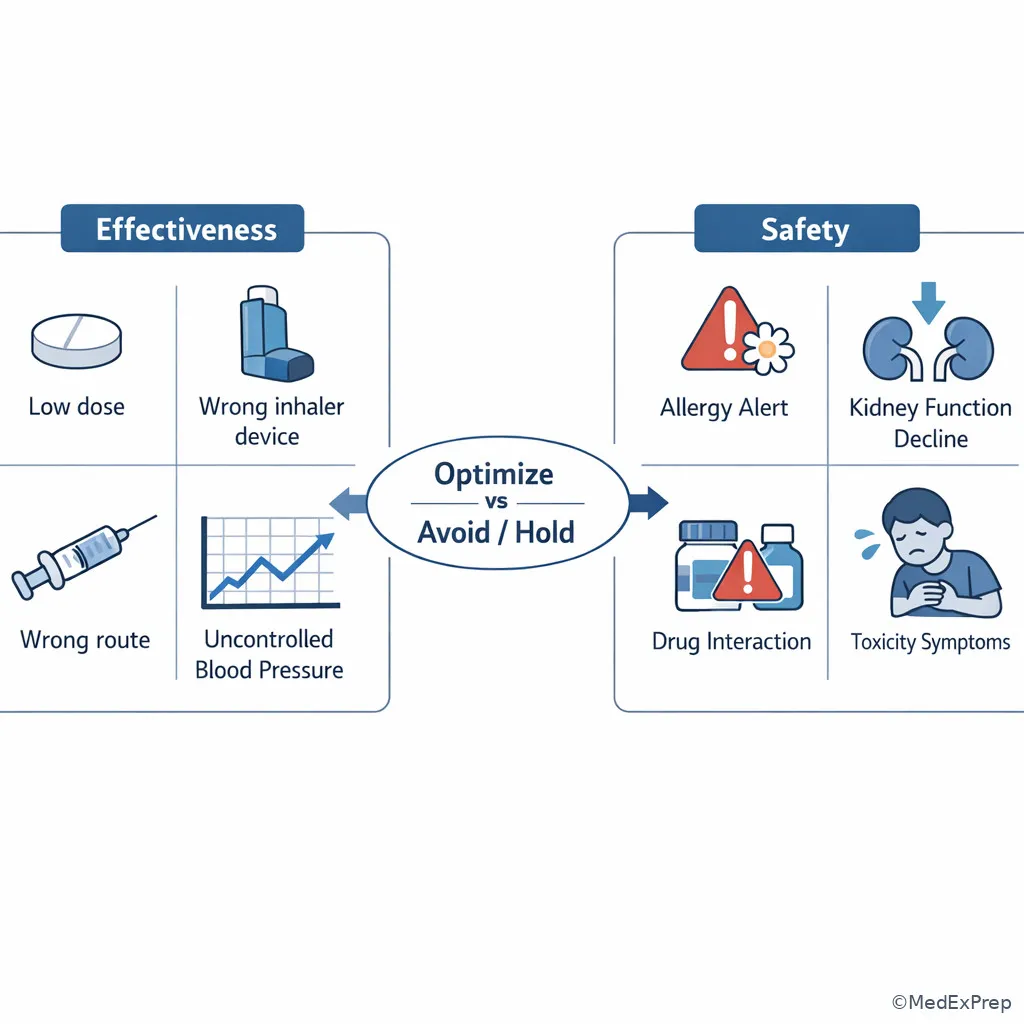
Fig 3. Effectiveness versus safety screening graphic

B. Worked example

A 74-year-old woman with heart failure, chronic kidney disease, and atrial fibrillation is discharged on digoxin 0.25 mg by mouth daily, furosemide 40 mg daily, and amiodarone 200 mg daily. Her serum creatinine increased from 0.9 to 1.6 mg/dL over two months, and she now reports nausea and yellow vision changes. A BNP value remains elevated, which tempts you to focus on heart failure effectiveness. The task asks for the most likely medication-related problem requiring immediate pharmacist intervention.

Reasoning chain: Identify task: classify the dominant problem. Extract key facts: older age, worsening renal function, digoxin dose, amiodarone interaction, classic digoxin toxicity symptoms. Apply rule: when a regimen could cause harm and the fix is reduction/hold rather than intensification, choose safety. Eliminate distractors: “effectiveness problem” is tempting because heart failure is not fully controlled, but elevated BNP is noise compared with toxicity clues. “Adherence” is not supported. Verify: the primary problem is safety: dose too high / interaction-related toxicity risk.

C. Exam trap

Common wrong answer: Wrong drug for condition. Why it is tempting: Students remember digoxin is not first-line for many heart failure situations and overgeneralize that memory. Single clue that eliminates it: The stem gives classic toxicity plus renal decline and an interacting drug, which makes safety more immediate than drug selection hierarchy.

D. Checkpoint

Question: A 63-year-old man with type 2 diabetes, CKD stage 4, and neuropathy presents with a refill request for gabapentin 900 mg by mouth three times daily. He reports new excessive sedation and unsteady gait but says his foot pain is still bothersome. Which is the best primary medication-related problem category?

  1. A. Untreated indication — Tempting because neuropathy remains symptomatic, but incorrect because the patient already has therapy for the indication.
  2. B. Dose too low — Tempting because pain persists, but incorrect because CKD plus sedation and gait instability point to accumulation and harm.
  3. C. Safety problem — Correct because renal impairment and toxicity symptoms make the dominant issue dose-related harm.
  4. D. Nonadherence — Tempting because variable pain control can reflect inconsistent use, but incorrect because the discriminating clues are adverse effects with organ dysfunction.
If you missed this: Review 1.1.1.2 Foundational refinement: distinguish effectiveness problems from safety problems — focus on whether the pharmacist should intensify therapy or prevent harm first.
Pharmacist Action: NOTICE: renal decline, interacting drugs, allergy history, toxicity symptoms, or high-risk dose. SAY: “Because these symptoms fit medication harm, I need to review whether this dose remains safe.” MONITOR: organ function, targeted toxicity signs, and interacting medication additions. HOLD/CLARIFY/ESCALATE: hold dispensing or contact the prescriber urgently when toxicity clues are present.
Quick Recall:

  • The first category to consider when a drug is missing or duplicated is indication.
  • True or False: A normal labeled dose can still be a safety problem in renal impairment. True.
  • Name the two broad questions that separate effectiveness from safety: Will it work? and Could it harm?

1.1.1.3 Applied patient review: find the clue that reclassifies the problem

A. Explanation

This section moves from category names to pattern recognition in real profiles. The decision conflict is whether the patient data are merely background or the single discriminating clue that changes the MRP category. The rule: when a patient factor changes appropriateness of the regimen—renal function, allergy, age, pregnancy, comorbidity, or interacting medication—that factor can reclassify a problem from routine dosing to safety or from apparent failure to practical-use failure. WHY THIS IS TESTED: board-style cases frequently add one line of data that flips the answer from simple dose adjustment to hold-and-clarify.

Examples: uncontrolled asthma on albuterol may look like undertreatment, but if the patient never uses the inhaler correctly, the core MRP is adherence/practical use. A PPI with poor symptom control may look ineffective, but if the patient is taking it after meals only intermittently, the problem is administration/adherence. A standard antibiotic dose may look fine, but if the patient has an immediate penicillin anaphylaxis history and cross-reactivity concern in the stem, safety becomes primary. In pharmacy practice, the best pharmacist action depends on the dominant driver, not every issue present.

High-Yield Connection: This concept is tested alongside Core Patient Data Elements and Medication Reconciliation Risks. Know which patient-specific facts are merely descriptive and which facts actively change the safe medication decision.
Concept flow: Use patient-specific clues to reclassify the problem
Read the drug list
Match each drug to an intended purpose and expected outcome.

Find the reclassifying clue
Look for allergy, renal function, interaction, technique error, or duplicate therapy.

Name the dominant MRP
Choose the problem that changes the safest pharmacist action right now.

Fig 4. Patient clue reclassification pathway
Exam takeaway: One patient-specific fact can move the answer from simple optimization to hold, clarify, or counseling-focused intervention.
flowchart LR
A[Regimen looks straightforward] --> B{Key patient clue}
B -->|Poor technique or missed doses| C[Adherence or practical use]
B -->|Kidney or liver decline| D[Safety: accumulation risk]
B -->|Duplicate agent from transition of care| E[Indication: unnecessary therapy]
B -->|No contraindication, but poor control| F[Effectiveness]
C --> G[Counsel or simplify]
D --> H[Hold, reduce, clarify]
E --> I[De-duplicate]
F --> J[Optimize or switch]

When you feel two options are equally plausible, ask which single patient clue does the sorting. See Fig 4.

B. Worked example

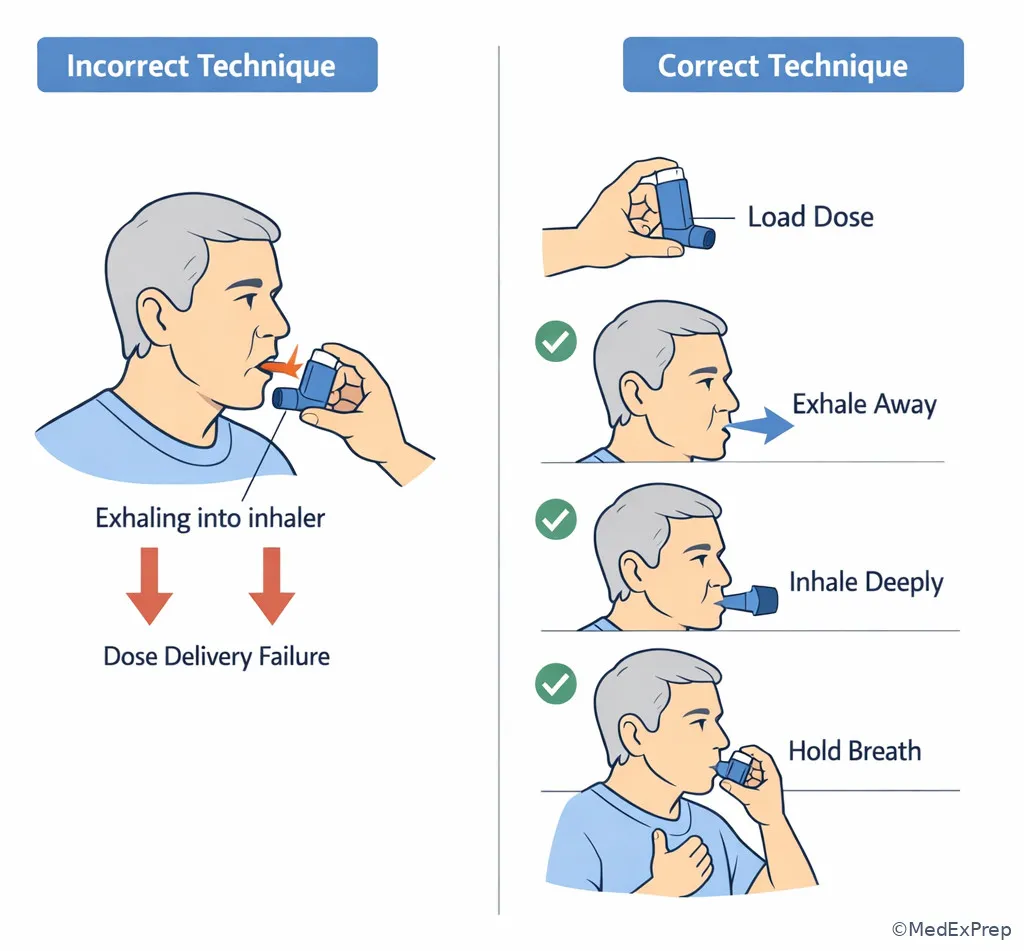
A 49-year-old man with asthma, obesity, and GERD requests an early refill for fluticasone/salmeterol 250/50 one inhalation twice daily and albuterol HFA two puffs every 4 hours as needed. He reports “the steroid inhaler never works,” has nighttime symptoms three times weekly, and also takes omeprazole 20 mg daily. His peak flow log is inconsistent. During counseling, he demonstrates activating the dry powder inhaler after exhaling directly into the device. The distracting clue is that he uses albuterol several times daily, which makes dose escalation look attractive.

Reasoning chain: Identify task: classify the most likely current MRP. Extract key facts: controller present, symptoms uncontrolled, technique error with dry powder inhaler, inconsistent peak flow log. Apply rule: if the regimen could work but the patient cannot use it correctly, the primary problem is adherence/practical use rather than pure ineffectiveness. Eliminate distractors: “dose too low” is tempting because symptoms persist; “untreated indication” is wrong because therapy exists. Verify: the best classification is adherence/practical-use problem due to device technique.

C. Exam trap

Common wrong answer: Wrong drug or dose too low. Why it is tempting: Uncontrolled symptoms naturally trigger step-up therapy thinking. Single clue that eliminates it: The patient demonstrates incorrect device use, meaning the current medication may never be reaching the lungs effectively.

D. Checkpoint

Question: A 31-year-old woman with epilepsy, hypothyroidism, and iron deficiency takes levothyroxine 100 mcg by mouth every morning, ferrous sulfate 325 mg with breakfast, and calcium carbonate 500 mg three times daily. Her TSH remains elevated despite timely refills and she denies missed doses. Which medication-related problem best fits the levothyroxine issue?

  1. A. Untreated indication — Tempting because TSH is elevated, but incorrect because hypothyroidism is already being treated.
  2. B. Effectiveness problem — Correct because interacting administration with iron and calcium reduces absorption, making the regimen ineffective as used.
  3. C. Safety problem — Tempting because drug interactions are involved, but incorrect because the interaction here mainly causes subtherapeutic effect rather than toxicity.
  4. D. Unnecessary therapy — Tempting if one focuses on supplement duplication, but incorrect because the question asks specifically about levothyroxine not reaching goal.
If you missed this: Review 1.1.1.3 Applied patient review: find the clue that reclassifies the problem — focus on how administration factors can convert an apparent dose issue into an effectiveness problem.
Pharmacist Action: NOTICE: refill gaps, poor technique, timing conflicts, food/drug interactions, or access barriers. SAY: “This medication may not be failing; the way it is being taken may be preventing it from working.” MONITOR: refill history, symptom control, and technique demonstration at follow-up. HOLD/CLARIFY/ESCALATE: clarify when administration pattern or interaction invalidates routine dispensing success.

1.1.1.4 Integration: convert the framework into the safest pharmacist action

A. Explanation

The final decision conflict is not just naming the category but choosing the right pharmacist move within scope. The rule is simple: the category predicts the action. Indication problems often lead to recommendation or clarification. Effectiveness problems usually lead to optimization, formulation correction, counseling, or monitoring recommendations. Safety problems most often lead to hold, urgent clarification, dose reduction recommendations, or escalation. Adherence/practical-use problems lead to counseling, simplification, refill coordination, affordability troubleshooting, or technique correction. WHY THIS IS TESTED: on NAPLEX, the best answer is often not the disease-management ideal but the safest pharmacist action supported by the data in the stem.

Choose hold and clarify when critical information is missing, the order is internally inconsistent, there is significant contraindication risk, or urgent harm is possible. Choose recommend when the problem is clear but implementation requires prescriber involvement. Choose counsel and verify understanding when the prescription is otherwise appropriate and the barrier is use-related. Reject out-of-role options such as independently diagnosing a new condition or unilaterally prescribing changes without authority. See Fig 5 for the action ladder.

Recall: The upcoming topic Best Next Pharmacist Action will expand this exact bridge from problem category to action. Here, the high-yield point is that the framework is not just descriptive; it is operational.
Concept flow: From MRP category to pharmacist action
Indication
Recommend start, stop, or de-duplicate after confirming the treatment purpose.

Effectiveness
Recommend optimize, switch, or correct formulation and administration.

Safety
Hold, clarify, reduce, avoid, or escalate if harm may be imminent.

Adherence
Counsel, simplify, address cost or access, and verify understanding.

Fig 5. Pharmacist action ladder for medication-related problems
Exam takeaway: The correct answer is usually the safest in-scope action predicted by the problem category.
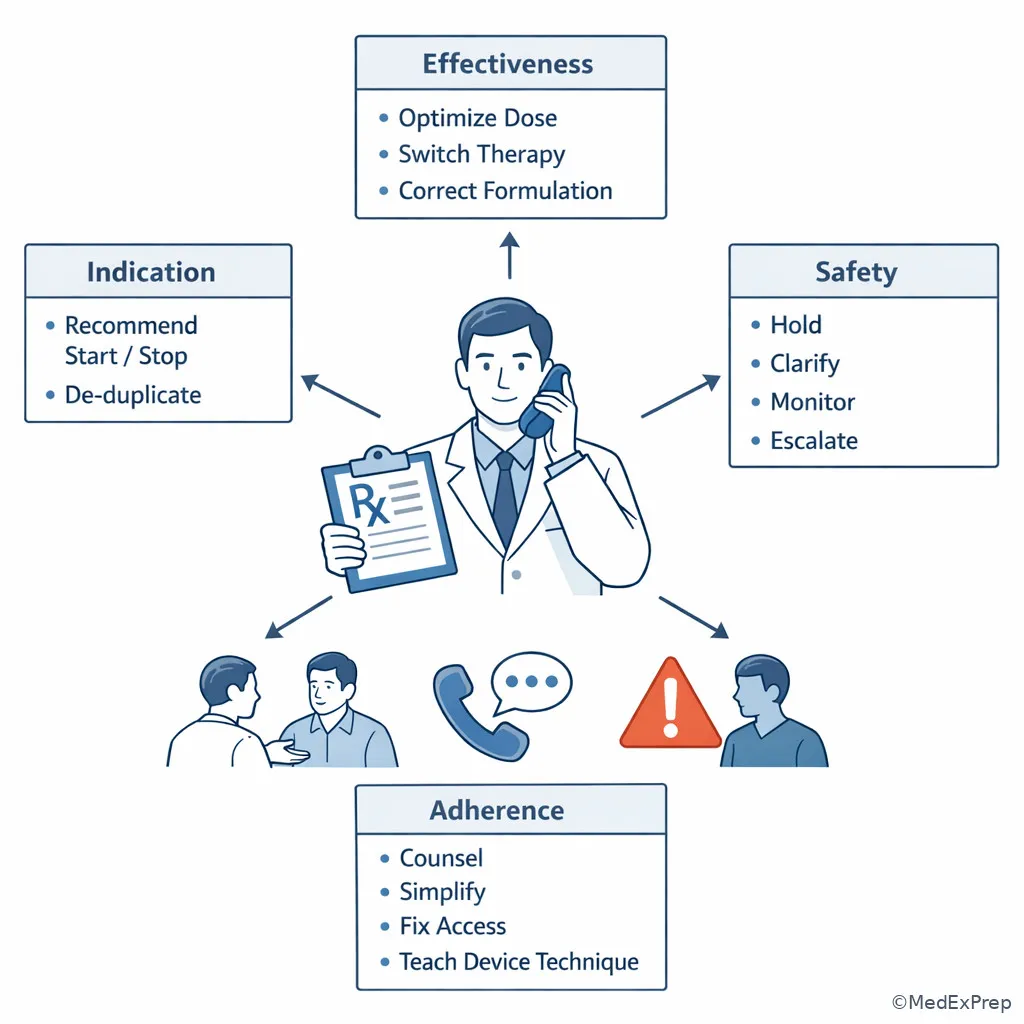
Fig 5. Pharmacist action ladder for medication-related problems

B. Worked example

A 72-year-old woman with osteoarthritis, hypertension, and CKD stage 3 presents with a new prescription for trimethoprim/sulfamethoxazole DS 1 tablet by mouth twice daily for 10 days while taking warfarin 5 mg nightly and lisinopril 20 mg daily. She has a documented sulfonamide antibiotic rash history listed as “hives,” but the prescriber note is not attached. Her INR last week was 2.4. The tempting but wrong clue is that the dose itself looks standard and the infection has already been diagnosed. The question asks for the best pharmacist action before dispensing.

Reasoning chain: Identify task: choose action, not diagnosis. Extract key facts: possible antibiotic allergy, major warfarin interaction, renal impairment, standard dose but high safety concern. Apply rule: safety problem with significant missing clarification and interaction risk predicts hold and contact prescriber. Eliminate distractors: counseling only is insufficient; changing therapy independently is out of role; dispensing with extra monitoring ignores the unresolved allergy and interaction concern. Verify: the safest action is hold dispensing and clarify with the prescriber.

C. Exam trap

Common wrong answer: Dispense and counsel the patient to watch for bleeding. Why it is tempting: Students know interactions can be managed with monitoring and may over-apply that principle. Single clue that eliminates it: The stem includes an unresolved antibiotic allergy history plus a high-risk interaction, so routine dispensing before clarification is not safe.

D. Checkpoint

Question: A 66-year-old man with COPD, diabetes, and limited vision has correct refills on tiotropium inhalation daily and metformin 1000 mg twice daily. He says he “cannot tell which inhaler cap goes where,” and his wife reports frequent confusion about administration times. The prescription directions are accurate and no urgent contraindication is present. What is the best next pharmacist action category linkage?

  1. A. Safety → hold dispensing immediately — Tempting because misuse can cause harm, but incorrect because no urgent toxicity or contraindication is present; the dominant issue is practical use.
  2. B. Adherence/practical use → counsel and simplify the regimen — Correct because the primary problem is the patient’s ability to use the medications accurately.
  3. C. Indication → recommend adding another inhaler — Tempting because COPD symptoms may persist, but incorrect because the stem emphasizes confusion, not missing therapy.
  4. D. Effectiveness → increase tiotropium dose — Tempting because poor disease control may result, but incorrect because device confusion must be addressed first.
If you missed this: Review 1.1.1.4 Integration: convert the framework into the safest pharmacist action — focus on matching each MRP category to its in-scope pharmacist response.
Pharmacist Action: NOTICE: whether the issue requires recommending, counseling, holding, or escalating. SAY: “My next step depends on whether this is a need, effectiveness, safety, or use problem.” MONITOR: response after the intervention—labs, refill history, symptom control, or technique confirmation. HOLD/CLARIFY/ESCALATE: hold when unsafe or incomplete; escalate when urgent harm is possible.
Quick Recall:

  • If the best fix is to hold, avoid, or reduce therapy, the category is usually safety.
  • True or False: Adherence barriers count as medication-related problems even when the order is correctly written. True.
  • Name one trigger to stop routine verification and clarify: allergy conflict, dangerous interaction, missing key information, or major duplicate therapy.
Medication review desktop scene
Exam takeaway: Match each patient-specific clue on the profile to indication, effectiveness, safety, or adherence before verifying the order.
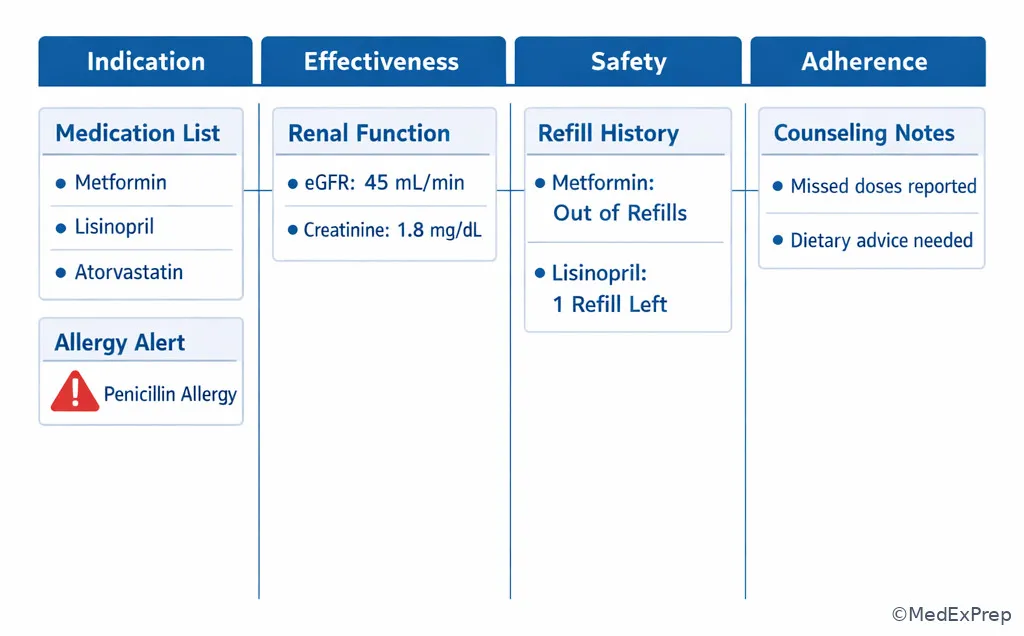
Medication review desktop scene
Duplicate therapy comparison panel
Exam takeaway: Two active drugs from the same therapeutic purpose should prompt duplication screening before routine refill.
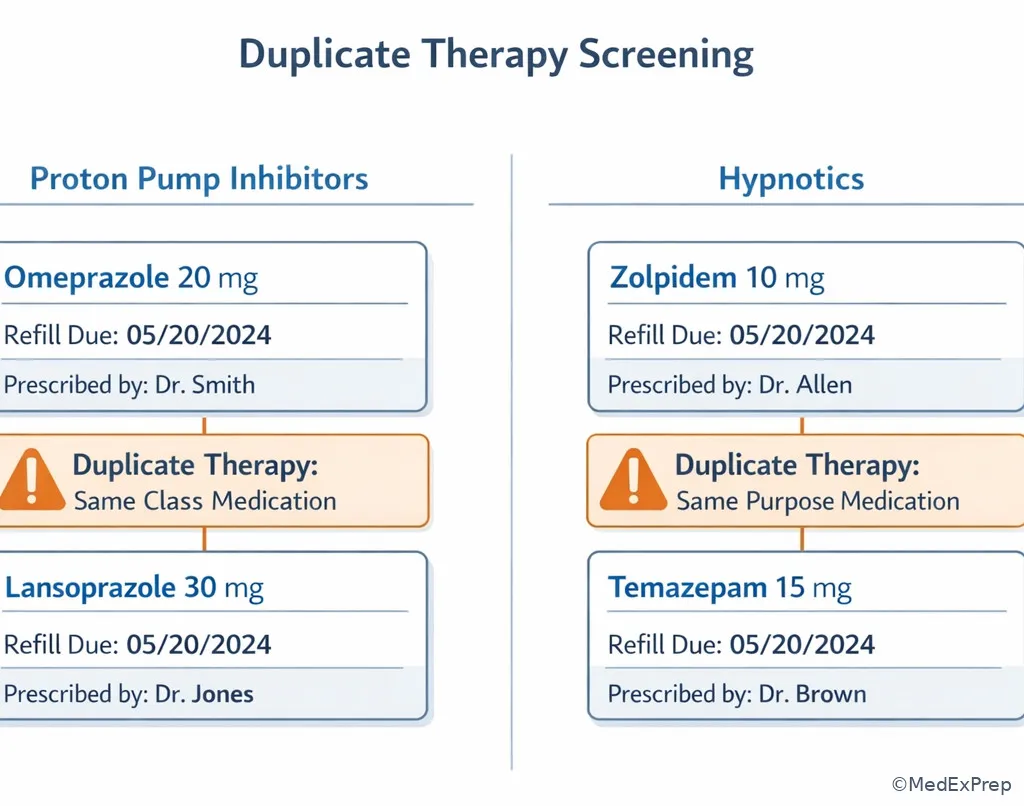
Duplicate therapy comparison panel
Renal adjustment and toxicity visual
Exam takeaway: A standard labeled dose can still become unsafe when renal function declines or interacting drugs are added.
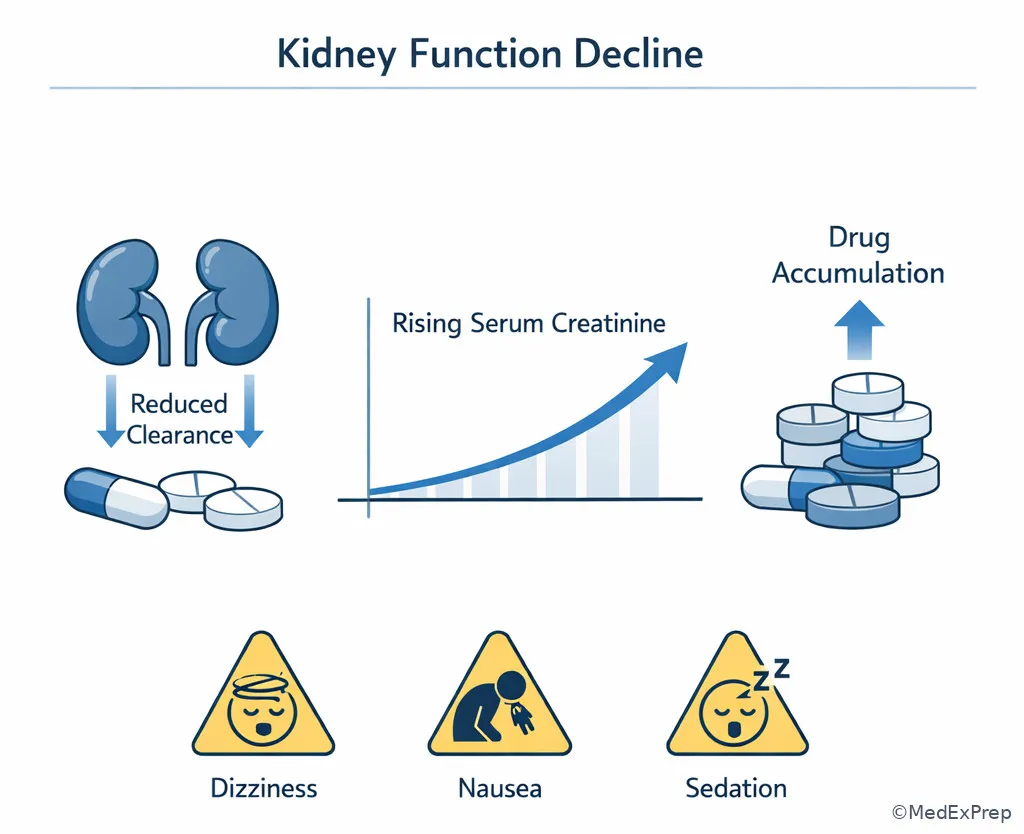
Renal adjustment and toxicity visual
Inhaler technique failure graphic
Exam takeaway: When the regimen is appropriate but the patient cannot use the device correctly, classify the problem as practical-use or adherence related.
Inhaler technique failure graphic

Exam Traps & Differentiators

Common traps & distractors: NAPLEX items often tempt you to chase the abnormal lab, intensify therapy too early, or ignore a practical-use barrier because the written order looks correct.
  • Most common wrong answer and why: Choosing “dose too low” whenever disease control is imperfect. This is tempting because exams often show one value above goal. Reject it when there is a more basic clue such as duplication, contraindication, technique failure, or nonadherence.
  • Looks similar but isn’t: Uncontrolled disease due to missed doses is not the same as wrong drug or low dose. The regimen may be correct on paper but ineffective in real life because it is not being used properly.
  • Related future trap: In the upcoming Best Next Pharmacist Action topic, some options will all describe helpful things to do. The winning answer will be the safest action for the dominant MRP category, not the most comprehensive list.
  • Related future trap: In Order Verification Priorities, learners may focus on product selection before asking whether the therapy itself is indicated and safe. The framework in this lesson should come first.
Looks similar Actually this Discriminating clue Why it matters
Uncontrolled symptoms on therapy Adherence/practical-use problem Missed doses, refill gaps, wrong timing, bad device technique Needs counseling or simplification before dose escalation
Persistent abnormal value Safety problem Toxicity signs, renal decline, interaction, allergy, excessive dose Harm prevention outranks intensification
Multiple active drugs Indication problem Same purpose with no rationale or transition-of-care duplication Requires de-duplication or clarification
Drug interaction present Effectiveness problem Interaction lowers exposure rather than causing toxicity Optimize administration or spacing, not necessarily hold
Drug “not working” Wrong formulation or route Crushed ER product, incorrect inhaler, unsuitable dosage form Framework points to effectiveness, not adherence alone

If the stem says renal decline + sedation + same dose, think safety from accumulation.

If the stem says two active agents for the same purpose after hospitalization, think unnecessary/duplicate therapy.

If the stem says refills are timely but administration timing conflicts with food or supplements, think effectiveness problem caused by use pattern.

If the stem says patient demonstrates poor device technique, think adherence/practical-use barrier before dose escalation.

If the stem says allergy history is unresolved and a risky order arrives, think hold and clarify before dispensing.

Review connection: The traps above test category discrimination under time pressure. If any felt unfamiliar, revisit 1.1.1.1 Foundational sorting: identify the primary medication-related problem and 1.1.1.4 Integration: convert the framework into the safest pharmacist action before attempting the Self-check quiz.

Algorithm / Approach

Concept flow: Best pharmacist approach to any medication-related problem stem
Identify the task
Is the question asking for the problem category, the best action, or the order clarification needed?

Apply I-E-S-A order
Indication first, then Effectiveness, then Safety, then Adherence/practical use.

Find the single discriminating clue
Duplicate therapy, missing therapy, toxicity, interaction, organ function, or administration barrier.

Match category to action
Recommend, optimize, counsel, hold, clarify, monitor, or escalate.

Verify scope and safety
Choose the safest pharmacist action supported by available facts; do not guess or act out of role.

Fig 6. Order-to-action clinical algorithm
Exam takeaway: Use a repeatable sequence so the safest pharmacist action follows directly from the dominant medication-related problem.
flowchart TD
A[Read medication context: drug dose route frequency] --> B[Define treatment purpose]
B --> C{Indication problem?}
C -->|Yes| D[Start stop or de-duplicate recommendation]
C -->|No| E{Effectiveness problem?}
E -->|Yes| F[Optimize or switch]
E -->|No| G{Safety problem?}
G -->|Yes| H[Hold clarify reduce or escalate]
G -->|No| I[Adherence or practical-use intervention]
H --> J[Document and communicate]
F --> J
D --> J
I --> J

Keep this sequence visible during practice sets. See Fig 6.

Rapid Review

  • Untreated indication → clear need with no appropriate therapy present
  • Unnecessary therapy → active drug without current purpose or duplicated purpose
  • Wrong drug → therapy present but poor fit for the patient or condition
  • Dose too low → more therapy would solve the problem
  • Safety problem → less therapy, holding, or avoidance would solve the problem
  • Adherence issue → profile may be correct while real-world use is not
  • Technique failure → classify as practical-use barrier before assuming drug failure
  • Interaction lowering exposure → effectiveness problem more than toxicity problem
  • Interaction increasing exposure → safety problem more than underdosing problem
  • Duplicate inpatient-to-outpatient carryover → indication problem first
  • Renal decline with toxicity symptoms → safety even if the labeled dose looks standard
  • Abnormal value alone → not enough; find the clue that tells you why
  • Best pharmacist action → must fit category and stay within scope
Memory anchor: “Need, Work, Harm, Use” = Indication, Effectiveness, Safety, Adherence. Ask in that order whenever a case feels noisy.

Self-check quiz

1. A 61-year-old woman with hypertension and GERD requests refills for omeprazole 20 mg by mouth daily and pantoprazole 40 mg by mouth daily, both active on her profile from different prescribers. She reports taking both every morning and denies missed doses. What is the most likely medication-related problem?

  1. A. Untreated indication
  2. B. Unnecessary therapy
  3. C. Dose too low
  4. D. Nonadherence

2. A 46-year-old man with asthma and allergic rhinitis uses fluticasone/salmeterol 250/50 one inhalation twice daily and albuterol HFA two puffs as needed. His refills are on time, but he demonstrates exhaling directly into the dry powder inhaler before inhalation. Which medication-related problem category best fits the controller inhaler issue?

  1. A. Untreated indication
  2. B. Effectiveness problem due to practical-use barrier
  3. C. Safety problem
  4. D. Unnecessary therapy

3. A 78-year-old man with CKD stage 4, diabetes, and peripheral neuropathy presents with a refill request for gabapentin 900 mg by mouth three times daily. He reports increasing sedation and falls, and his spouse confirms perfect adherence. Which is the best pharmacist classification of this issue?

  1. A. Effectiveness problem requiring dose increase
  2. B. Safety problem from dose accumulation
  3. C. Untreated indication
  4. D. Nonadherence causing poor control

4. A 33-year-old woman with hypothyroidism, iron deficiency, and migraines takes levothyroxine 100 mcg by mouth every morning, ferrous sulfate 325 mg with breakfast, and calcium carbonate 500 mg three times daily. Refills are timely, but her TSH remains elevated. What is the most appropriate classification for the levothyroxine problem?

  1. A. Effectiveness problem due to administration interaction
  2. B. Safety problem due to excessive dose
  3. C. Untreated indication
  4. D. Unnecessary therapy

5. A 70-year-old woman with atrial fibrillation, CKD stage 3, and a documented history of hives with sulfamethoxazole/trimethoprim presents a new prescription for sulfamethoxazole/trimethoprim DS 1 tablet by mouth twice daily for 7 days while taking warfarin 5 mg nightly. Which is the best next pharmacist action?

  1. A. Dispense as written and counsel on bleeding signs
  2. B. Reduce the antibiotic to once daily and dispense
  3. C. Hold dispensing and clarify with the prescriber
  4. D. Tell the patient to skip warfarin during therapy

6. A 64-year-old man with heart failure, atrial fibrillation, and CKD stage 3 takes digoxin 0.25 mg by mouth daily and amiodarone 200 mg daily. He now reports nausea, decreased appetite, and yellow visual halos; his serum creatinine has risen since the last refill. What is the most likely dominant medication-related problem?

  1. A. Effectiveness problem because heart failure is inadequately controlled
  2. B. Safety problem because the regimen now increases digoxin toxicity risk
  3. C. Untreated indication because the regimen lacks a beta blocker
  4. D. Nonadherence because symptoms suggest inconsistent intake

7. A 59-year-old woman with COPD, osteoarthritis, and cataracts has active prescriptions for tiotropium inhalation daily, albuterol HFA as needed, and prednisone 10 mg by mouth daily that was originally intended for a 5-day exacerbation course one month ago. She says she kept taking prednisone because “it helps me breathe.” Which medication-related problem is most important to identify first?

  1. A. Unnecessary therapy
  2. B. Dose too low for maintenance COPD control
  3. C. Untreated indication
  4. D. Safety problem only

8. A 68-year-old man with type 2 diabetes, neuropathy, and mild cognitive impairment takes metformin 1000 mg by mouth twice daily, insulin glargine 24 units nightly, and lisinopril 20 mg daily. His A1c is above goal. During counseling, he reveals he often skips insulin because he cannot remember whether he already injected, and his wife is hospitalized. What is the best primary medication-related problem classification driving the next pharmacist intervention?

  1. A. Untreated indication
  2. B. Effectiveness problem from dose too low
  3. C. Safety problem because glargine is inappropriate in older adults
  4. D. Adherence/practical-use problem

Answer key

1. Correct answer: B. Unnecessary therapy

A. Untreated indication — Tempting because GERD is a real condition requiring treatment. Incorrect for this specific scenario because therapy is already present twice over; the stem clue is two PPIs with the same purpose. This classification framework is supported by standard pharmacotherapy problem-solving models described in DiPiro and pharmacist care process teaching resources.

B. Unnecessary therapy — Correct because duplicate acid suppression without a distinct rationale signals medication without added current need. The discriminating clue is concurrent omeprazole and pantoprazole used every morning for the same condition. This matches medication-related problem frameworks in DiPiro and patient care process texts.

C. Dose too low — Tempting because some learners equate continued symptoms with undertreatment. Incorrect because the stem does not show refractory GERD despite optimized single-agent use; it shows duplication. The single eliminating fact is therapeutic overlap, not inadequate strength. DiPiro supports first resolving unnecessary therapy before dose optimization.

D. Nonadherence — Tempting because multiple prescribers often create confusion. Incorrect because she reports taking both drugs consistently, and the profile itself creates the problem. The discriminating clue is accurate adherence to an inappropriate duplicate regimen.

If you missed this: Review 1.1.1.1 Foundational sorting: identify the primary medication-related problem — focus on duplicate therapy as an indication problem.

2. Correct answer: B. Effectiveness problem due to practical-use barrier

A. Untreated indication — Tempting because asthma remains symptomatic. Incorrect because controller therapy is already prescribed. The discriminating clue is improper device use, not absent therapy. Inhaler technique principles are emphasized in AHFS and major asthma guidance.

B. Effectiveness problem due to practical-use barrier — Correct because the drug is appropriate, but technique prevents adequate delivery. The single stem clue is exhaling into the dry powder inhaler, which disrupts powder delivery and medication exposure. This mechanism-based explanation aligns with inhaler counseling standards in AHFS and guideline-based asthma care.

C. Safety problem — Tempting because poor inhaler use can worsen asthma control. Incorrect because the present issue is failure of drug delivery rather than direct toxicity or contraindication. The discriminating fact is absence of harm-specific clues such as adverse effects or overdose.

D. Unnecessary therapy — Tempting if one assumes the controller is ineffective and should be stopped. Incorrect because the inhaler remains indicated; the problem is how it is used. The single clue is persistent need for controller therapy.

If you missed this: Review 1.1.1.3 Applied patient review: find the clue that reclassifies the problem — focus on device technique converting an apparent drug failure into a practical-use problem.

3. Correct answer: B. Safety problem from dose accumulation

A. Effectiveness problem requiring dose increase — Tempting because neuropathic pain often persists and gabapentin is frequently titrated. Incorrect here because CKD stage 4 plus sedation and falls signal excess exposure, not underdosing. The single stem clue is toxicity symptoms in severe renal impairment. Renal dosing guidance in Lexicomp and AHFS supports dose reduction rather than escalation.

B. Safety problem from dose accumulation — Correct because gabapentin is renally eliminated, and reduced kidney function increases risk of sedation and neurotoxicity at standard higher doses. The discriminating clue is CKD stage 4 with falls and sedation despite adherence. Lexicomp renal dosing recommendations support this interpretation.

C. Untreated indication — Tempting because pain remains a clinical problem. Incorrect because the patient is already treated for neuropathy. The single eliminating clue is an active gabapentin regimen.

D. Nonadherence causing poor control — Tempting because poor pain control can result from irregular use. Incorrect because the spouse confirms adherence and the adverse effects strongly suggest accumulation. The discriminating clue is perfect adherence plus toxicity.

If you missed this: Review 1.1.1.2 Foundational refinement: distinguish effectiveness problems from safety problems — focus on renal impairment shifting a standard dose into a safety problem.

4. Correct answer: A. Effectiveness problem due to administration interaction

A. Effectiveness problem due to administration interaction — Correct because iron and calcium reduce levothyroxine absorption, leading to persistent hypothyroid labs despite appropriate refill history. The single discriminating clue is levothyroxine taken near interacting cations. This is supported by FDA labeling, Lexicomp, and AHFS counseling guidance.

B. Safety problem due to excessive dose — Tempting because thyroid replacement questions often test over- or undertreatment. Incorrect here because the problem is poor absorption with elevated TSH, not excess thyroid effect. The eliminating clue is concomitant iron and calcium rather than hyperthyroid symptoms.

C. Untreated indication — Tempting because TSH remains elevated. Incorrect because hypothyroidism is being treated. The discriminating clue is an active levothyroxine prescription.

D. Unnecessary therapy — Tempting if one focuses on supplement burden. Incorrect because the question asks about why levothyroxine is not working, and the best category is impaired effectiveness. The single clue is persistent elevated TSH despite adherence.

If you missed this: Review 1.1.1.3 Applied patient review: find the clue that reclassifies the problem — focus on interactions that reduce drug exposure and therefore create an effectiveness problem.

5. Correct answer: C. Hold dispensing and clarify with the prescriber

A. Dispense as written and counsel on bleeding signs — Tempting because warfarin interactions can sometimes be managed with INR monitoring and counseling. Incorrect because the stem adds a documented history of hives to the same antibiotic, making unresolved allergy risk the discriminating clue. FDA labeling and Lexicomp support avoiding or clarifying true antibiotic allergy concerns before dispensing.

B. Reduce the antibiotic to once daily and dispense — Tempting because CKD often triggers renal dose adjustments. Incorrect because dose adjustment does not resolve the allergy concern or the major interaction issue. The single clue that eliminates this option is documented hives with the same medication.

C. Hold dispensing and clarify with the prescriber — Correct because the pharmacist is facing a likely safety problem with both allergy and interaction risk, and independent substitution is out of role unless authority is provided. The discriminating clue is that routine dispensing would ignore a potentially unsafe order. This action is consistent with pharmacist-scope medication safety responsibilities and standard references such as Lexicomp, AHFS, and FDA labeling.

D. Tell the patient to skip warfarin during therapy — Tempting because it appears to manage the interaction. Incorrect because instructing unapproved anticoagulation interruption is not the safest in-scope response and still ignores allergy concerns. The single eliminating clue is that prescriber clarification is needed before any dispensing or self-directed regimen change.

If you missed this: Review 1.1.1.4 Integration: convert the framework into the safest pharmacist action — focus on safety problems with unresolved allergy or major interaction requiring hold-and-clarify.

6. Correct answer: B. Safety problem because the regimen now increases digoxin toxicity risk

A. Effectiveness problem because heart failure is inadequately controlled — Tempting because heart failure patients often have ongoing symptoms and medication optimization needs. Incorrect here because nausea, anorexia, visual halos, renal decline, and amiodarone coadministration are classic safety clues. The single discriminator is the toxicity pattern, not a lack of therapeutic options. Digoxin monitoring guidance in Lexicomp and AHFS supports immediate safety concern.

B. Safety problem because the regimen now increases digoxin toxicity risk — Correct because digoxin has a narrow therapeutic index, is affected by renal function, and exposure may rise with interacting drugs such as amiodarone. The stem clue is yellow visual halos with worsening renal function. Lexicomp, AHFS, and FDA labeling confirm toxicity risk and need for caution.

C. Untreated indication because the regimen lacks a beta blocker — Tempting because guideline-directed heart failure therapy often includes multiple foundational agents. Incorrect because the question asks for the dominant current medication-related problem, and acute toxicity outranks absent long-term optimization. The single eliminating clue is active toxicity symptoms.

D. Nonadherence because symptoms suggest inconsistent intake — Tempting because nausea can lead to erratic medication use. Incorrect because the symptom cluster and renal change specifically fit toxicity rather than nonadherence. The single clue is amiodarone plus declining renal function.

If you missed this: Review 1.1.1.2 Foundational refinement: distinguish effectiveness problems from safety problems — focus on narrow-therapeutic-index drugs in renal impairment and interacting regimens.

7. Correct answer: A. Unnecessary therapy

A. Unnecessary therapy — Correct because prednisone was intended for a short exacerbation course but has been continued beyond the original treatment need. The discriminating clue is that the active medication persists after its temporary indication ended. DiPiro and standard COPD pharmacotherapy references support limiting systemic corticosteroid bursts rather than chronic unsupervised continuation.

B. Dose too low for maintenance COPD control — Tempting because persistent breathing symptoms can suggest undertreatment. Incorrect because the dominant issue is continued systemic steroid use without current intended indication, not insufficient prednisone. The single clue is the original 5-day burst instruction.

C. Untreated indication — Tempting because COPD may still need better long-term control. Incorrect because the patient already has maintenance inhaled therapy. The single eliminating clue is active tiotropium and albuterol therapy already on the profile.

D. Safety problem only — Tempting because chronic prednisone clearly carries safety risks. Incorrect as the best primary classification because the first issue is that the drug is no longer needed as originally prescribed; the safety risk stems from that unnecessary continuation. The discriminating clue is expired intended duration. Medication-related problem frameworks place unnecessary therapy under indication first.

If you missed this: Review 1.1.1.1 Foundational sorting: identify the primary medication-related problem — focus on when a drug becomes unnecessary because the temporary indication has ended.

8. Correct answer: D. Adherence/practical-use problem

A. Untreated indication — Tempting because the A1c remains above goal and many patients eventually need more therapy. Incorrect because diabetes treatment is already present. The single eliminating clue is active metformin plus basal insulin.

B. Effectiveness problem from dose too low — Tempting because uncontrolled A1c can reflect inadequate basal insulin. Incorrect because the stem directly identifies skipped injections due to memory uncertainty; the regimen cannot be judged ineffective until use is corrected. The discriminating clue is missed insulin because he cannot remember prior doses. ADA standards and insulin counseling resources emphasize adherence and administration assessment before intensification.

C. Safety problem because glargine is inappropriate in older adults — Tempting because cognitive impairment increases hypoglycemia risk. Incorrect because glargine is not inherently inappropriate; the immediate issue is inability to administer consistently. The single clue is skipped rather than excessive injections.

D. Adherence/practical-use problem — Correct because the main barrier is medication use in the setting of cognitive limitation and loss of caregiver support. The best next intervention would center on counseling, simplification, or support systems rather than automatic dose escalation. This is consistent with pharmacist patient care process principles in DiPiro and ADA guidance.
If you missed this: Review 1.1.1.3 Applied patient review: find the clue that reclassifies the problem — focus on how real-world use barriers can explain poor control better than dose failure.

References

  1. DiPiro, Joseph T., et al. Pharmacotherapy: A Pathophysiologic Approach. McGraw-Hill, latest available edition.
  2. Lexicomp Online. Wolters Kluwer Clinical Drug Information, latest available access.
  3. AHFS Drug Information. American Society of Health-System Pharmacists, latest available edition.
  4. American Diabetes Association. “Standards of Care in Diabetes.” Diabetes Care, latest available edition.
  5. Global Initiative for Asthma. Global Strategy for Asthma Management and Prevention, latest available update.
  6. U.S. Food and Drug Administration. Approved Drug Labeling for product-specific safety, dosing, and interaction information.

Last reviewed: March 13, 2026

Lesson 2

Best Next Pharmacist Action

Best Next Pharmacist Action

Topic: 1.1.2

Exam focus: NAPLEX entry-level pharmacist decision-making within scope

What you'll learn

  • NAPLEX DOMAIN: Pharmacist Care Process → Best-next-step selection — choose the safest pharmacist action when multiple reasonable options appear plausible.
  • NAPLEX DOMAIN: Medication Safety → Risk prioritization — identify when to hold, clarify, recommend, counsel, monitor, or escalate.
  • NAPLEX DOMAIN: Clinical Data Interpretation → Relevant clue extraction — separate decisive facts from distracting case noise.
  • NAPLEX DOMAIN: Dispensing Verification → Action threshold — determine when an order can be verified versus when clarification is required before dispensing.
  • NAPLEX DOMAIN: Patient Counseling and Follow-up → Communication choice — decide what to say, what to monitor, and when referral is required.

Blueprint mapping

  • NAPLEX DOMAIN: Pharmacist care process → identify task, extract facts, apply governing rule, execute, verify
  • NAPLEX DOMAIN: Medication safety → detect unsafe, incomplete, or contraindicated therapy and prevent harm
  • NAPLEX DOMAIN: Prescription verification → clarify indication, dose, route, frequency, duration, formulation, duplication
  • NAPLEX DOMAIN: Counseling/referral → determine when pharmacist management is appropriate versus urgent escalation

Estimated time: 45–60 minutes

Prereqs: Medication-Related Problem Framework; forward link: Core Patient Data Elements; forward link: Order Verification Priorities

Key outputs: You should be able to choose whether the best pharmacist action is to verify, hold, clarify, recommend a change, counsel, monitor, document, or urgently escalate.

Why it matters

  • NAPLEX often rewards the safest pharmacist action, not the most medically comprehensive action.
  • Many wrong answers are clinically useful in another setting but are outside pharmacist scope or premature before clarification.
  • A single clue—severe allergy, renal impairment, missing indication, dosage-form mismatch, urgent symptom—often determines whether you can proceed or must stop.
  • In practice and on exam day, missing the need to hold and clarify causes more harm than missing a minor optimization opportunity.

Key Terms & Must-Know Facts

Key terms

  • Best next pharmacist action — the safest, most appropriate action within pharmacist scope based on available data.
  • Hold — do not dispense/administer until a safety concern is resolved.
  • Clarify — contact prescriber/patient/caregiver to obtain missing or conflicting information.
  • Verify — confirm the order is appropriate for indication, patient factors, product, and safety.
  • Recommend — suggest a safer or more effective alternative to the prescriber.
  • Escalate — urgent referral, emergency activation, or immediate team notification for time-sensitive harm.
  • Red flag — finding that changes the action from routine processing to hold/clarify/escalate.
  • Scope boundary — limit beyond which the pharmacist should not independently diagnose or prescribe.
  • Decisive clue — single case detail that separates the correct option from near-miss distractors.
  • Medication-related problem — issue of indication, effectiveness, safety, or adherence.
  • Immediate clarification — clarification required before dispensing because delay in resolution could prevent harm.
  • Monitoring plan — parameter, frequency, and action threshold after therapy proceeds.

Must-know facts

  • When the order is unsafe or incomplete, the best action is usually hold and clarify before dispensing.
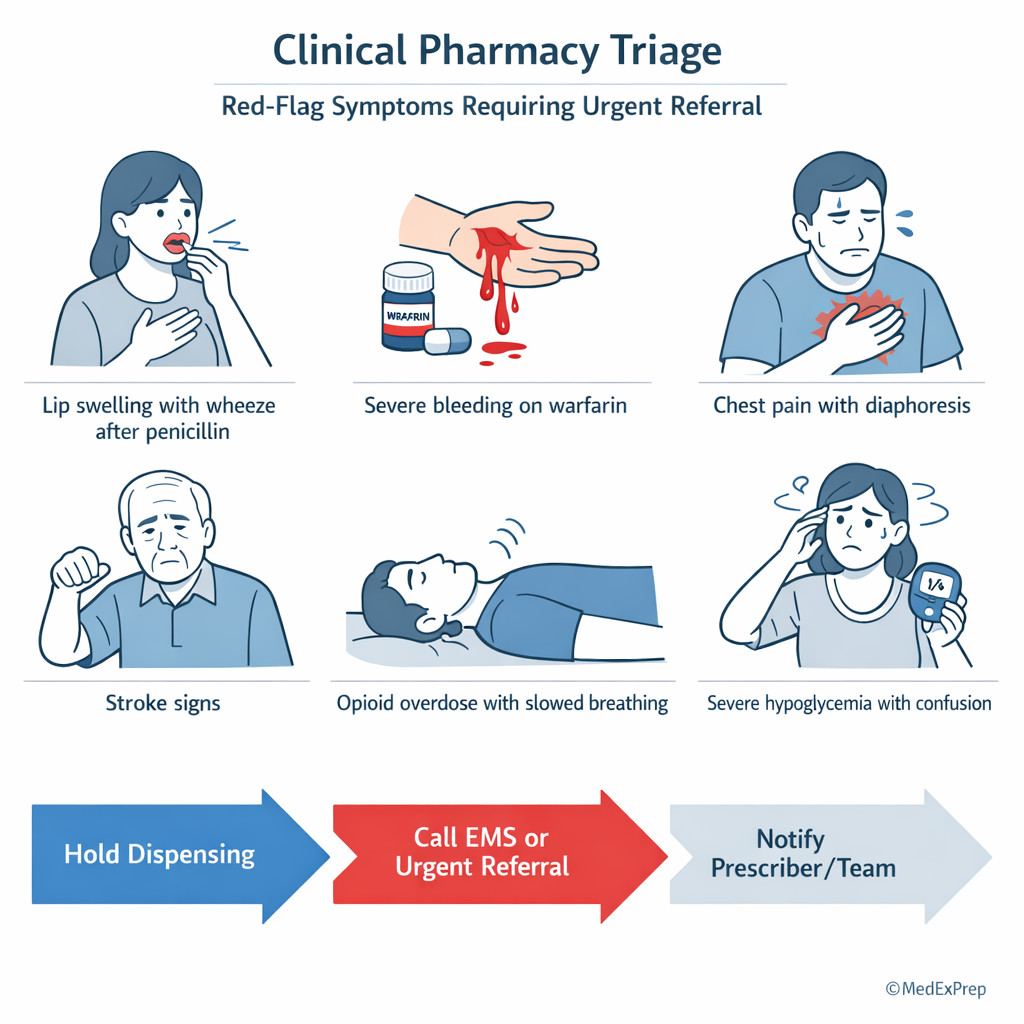
  • If the stem includes anaphylaxis, severe bleeding, chest pain, stroke symptoms, overdose, or major allergic reaction, think urgent escalation/referral.
  • If multiple actions are reasonable, choose the one that fits pharmacist scope and uses currently available data.
  • Do not optimize therapy before first addressing an active safety threat.
  • A “better long-term drug choice” is not the best next step if the current priority is dose clarification, contraindication review, or urgent referral.
  • Missing age, weight, allergies, renal function, or dosage form can convert a routine verification question into a clarification question.
  • Distractors often differ by one variable: timing, urgency, authority, or data sufficiency.
  • Patient counseling is appropriate only after it is safe to proceed; counseling does not replace clarification of a potentially harmful order.
Fig 1. Best-next-action triage map
Exam takeaway: Start by asking whether the problem is an emergency, a safety block, or a routine verification issue.
flowchart TD
A[Order or patient question appears] --> B{Immediate danger?}
B -->|Yes| C[Escalate urgently / refer / activate EMS per setting]
B -->|No| D{Unsafe or incomplete order?}
D -->|Yes| E[Hold and clarify before dispensing]
D -->|No| F{Therapy appropriate but needs optimization?}
F -->|Yes| G[Recommend change + monitor + document]
F -->|No| H[Verify / counsel / dispense]
Fig 2. Scope boundary decision tree
Exam takeaway: The correct choice is often the option that stays within pharmacist authority while preventing harm.
flowchart TD
A[Need identified] --> B{Can pharmacist act safely with given data?}
B -->|Yes| C[Verify / counsel / recommend / monitor]
B -->|No| D{Need diagnosis or prescribing authority not provided?}
D -->|Yes| E[Clarify with prescriber or refer]
D -->|No| F[Gather missing patient data before proceeding]
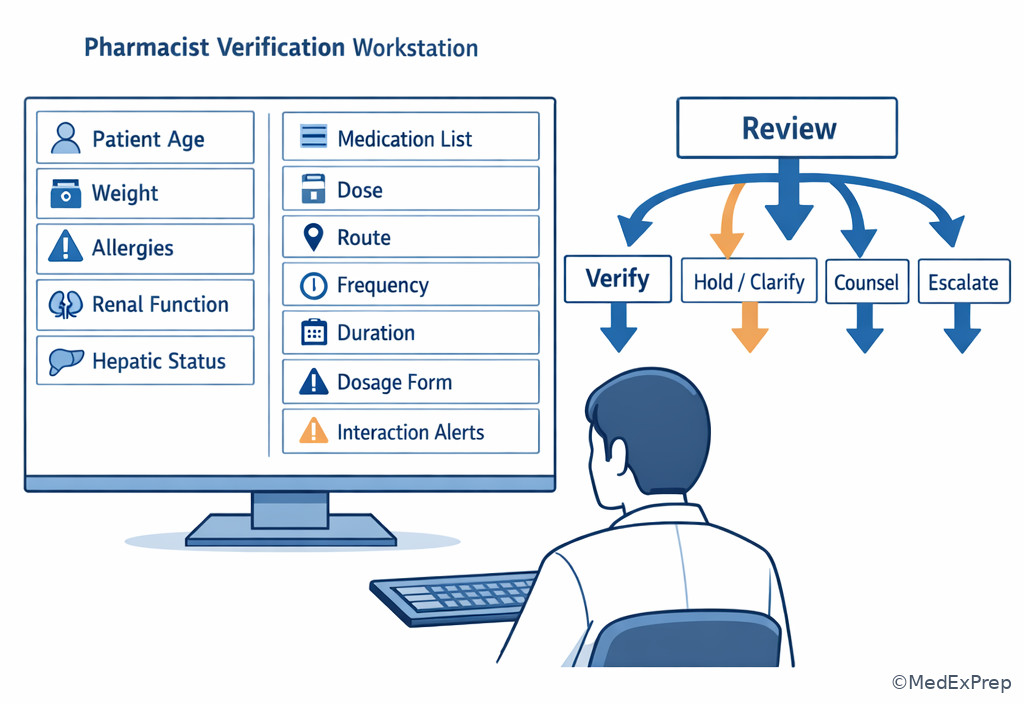
Fig 6. Order-verification workstation overview
Exam takeaway: Visualize where allergies, renal function, dose, and dosage form checks fit before product release.
Order-verification workstation overview
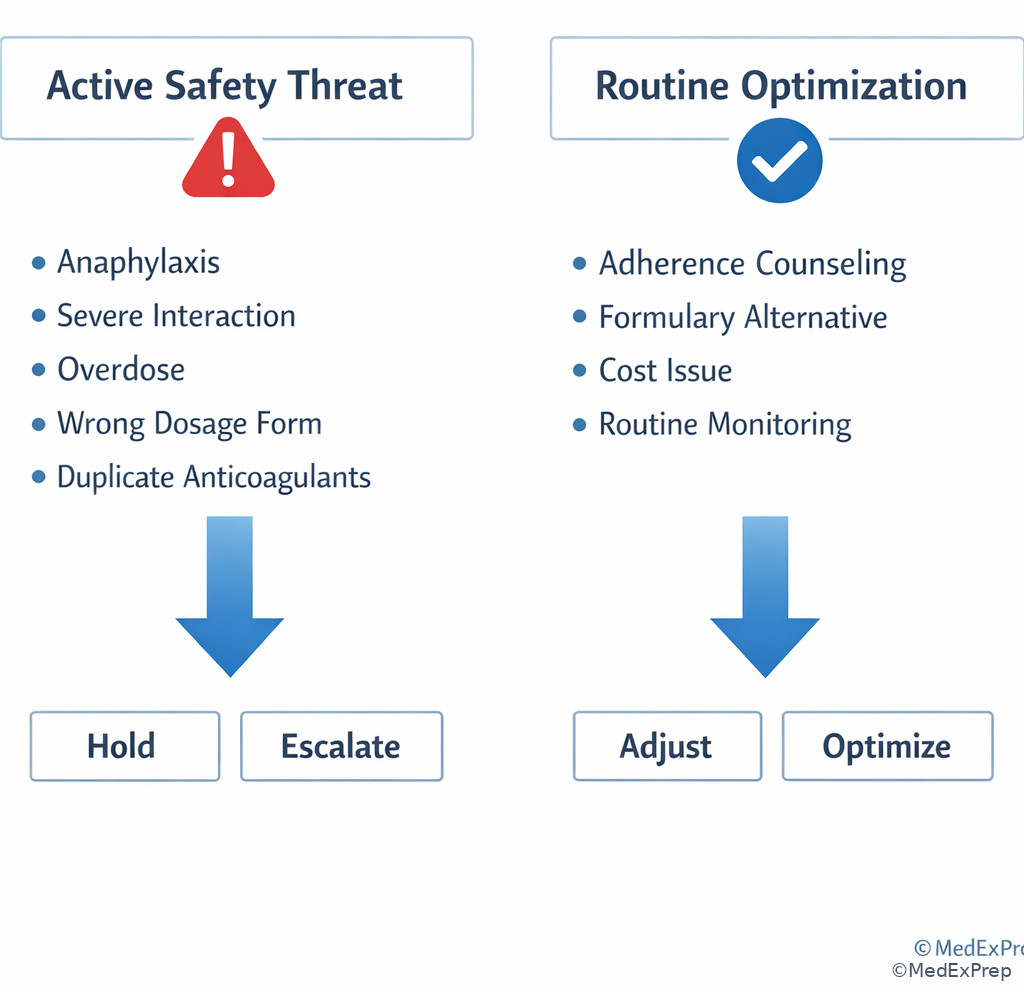
Fig 3. Safety-vs-optimization comparison
Exam takeaway: On exam stems, active safety threats outrank routine optimization opportunities.
Fig 3. Safety-vs-optimization comparison
Clarify-versus-counsel workflow
Exam takeaway: Counseling comes after the order is safe enough to proceed, not instead of clarification.
flowchart LR
A[Question identified] --> B{Potential harm if dispensed now?}
B -->|Yes| C[Clarify first]
B -->|No| D{Patient can use product correctly?}
D -->|No| E[Counsel on technique / adherence]
D -->|Yes| F[Proceed with verification]
Fig 4. Emergency referral red flags
Exam takeaway: Certain symptoms move the pharmacist from routine management to immediate escalation.
Fig 4. Emergency referral red flags
Fig 5. Data sufficiency checklist
Exam takeaway: If a decisive patient factor is missing, the next step is to obtain it before verifying the order.
flowchart TD
A[Medication order] --> B[Check patient identifiers]
B --> C[Check allergy and indication]
C --> D[Check age weight renal hepatic status]
D --> E[Check dose route frequency duration]
E --> F{Enough data to verify safely?}
F -->|No| G[Clarify / gather missing data]
F -->|Yes| H[Verify and counsel]
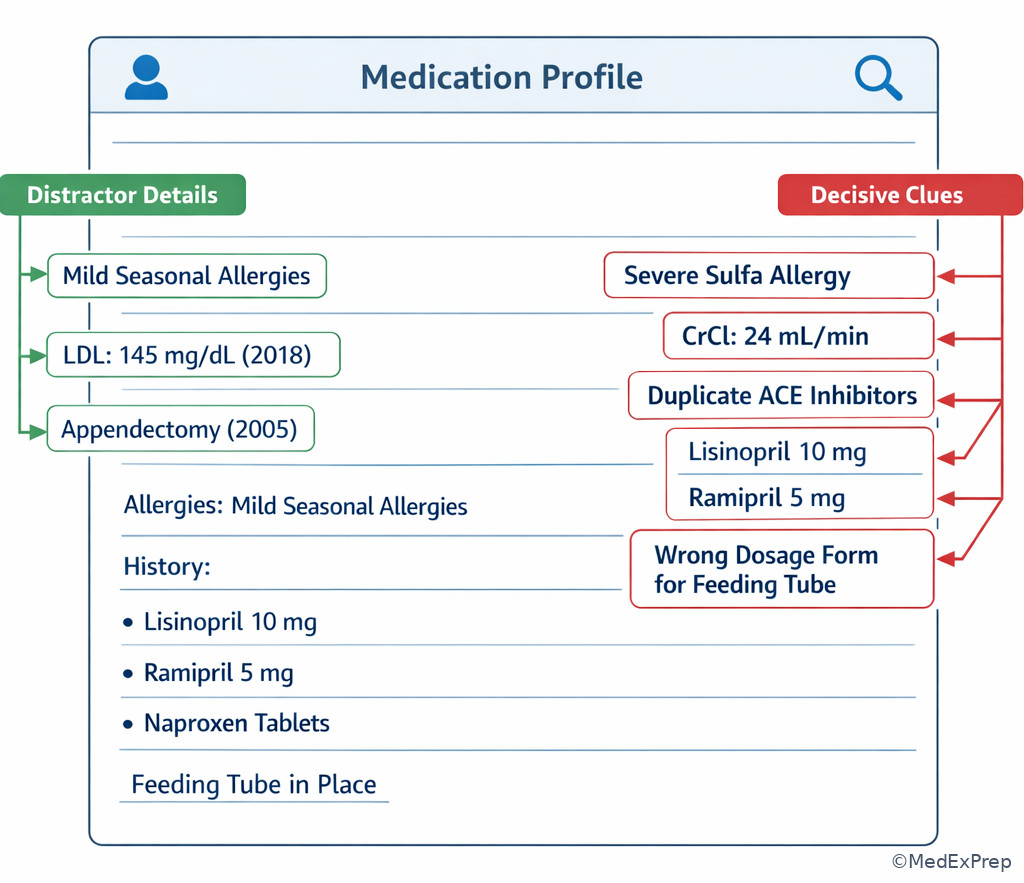
Medication profile with distractor details highlighted
Exam takeaway: Learn to separate decisive safety clues from noisy but irrelevant findings in case stems.
Medication profile with distractor details highlighted
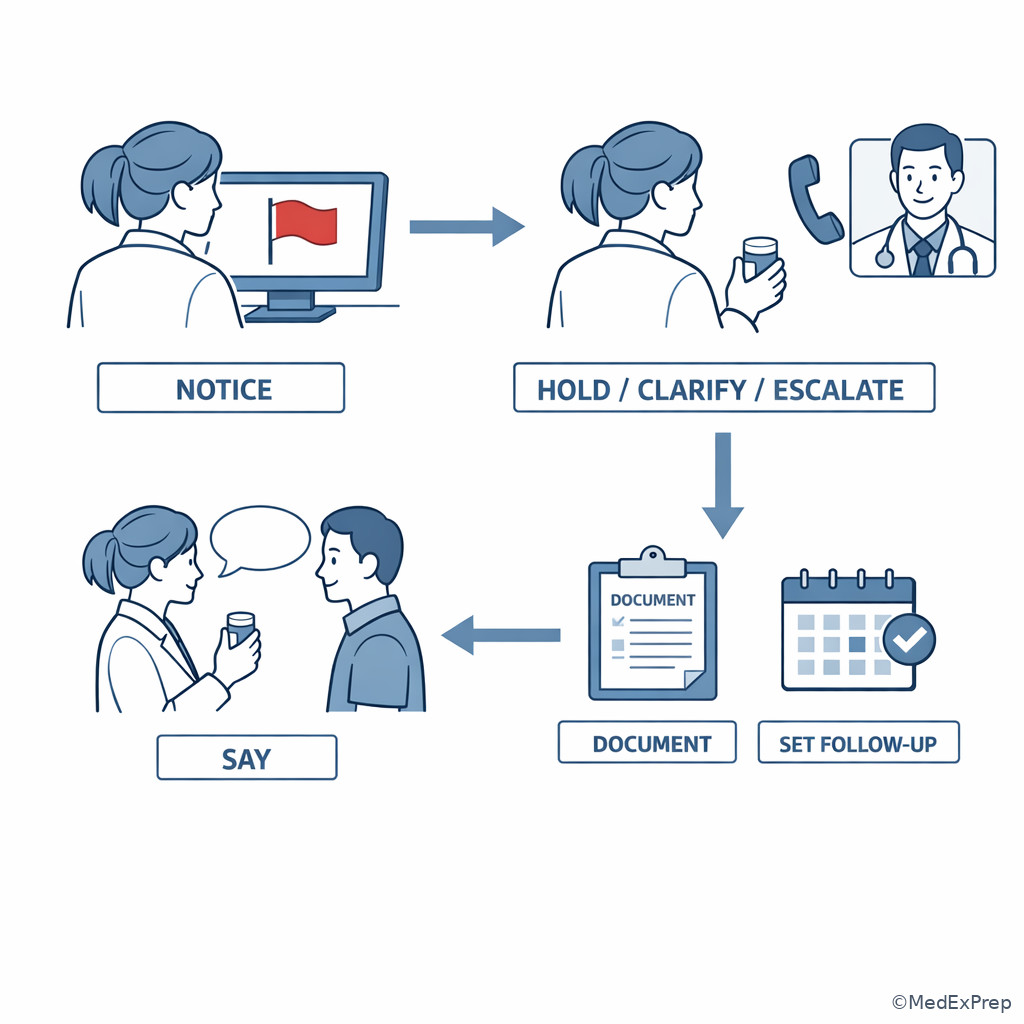
Pharmacist communication sequence
Exam takeaway: The best answer often includes what to communicate, what to monitor, and what action threshold triggers escalation.
Pharmacist communication sequence

Core content

Recall: In Medication-Related Problem Framework, we grouped problems into indication, effectiveness, safety, and adherence. Here, we build on that by deciding which problem gets acted on first and what the pharmacist should do next within scope.

1.1.2.1 Foundational decision ladder: verify, hold, clarify, recommend, counsel, or escalate

A. Explanation

The core conflict is usually proceed now versus stop first. The resolving rule is simple: if current information suggests immediate patient harm or the order cannot be judged safe, do not proceed as if verification were routine. Instead, hold and clarify, or escalate urgently if there is active clinical instability. See Fig 1. Many stems tempt you to choose a smart recommendation, but the best next action is earlier in the sequence: protect the patient first, then optimize therapy.

Use a six-step mental ladder. First, ask whether there is an emergency. Second, ask whether the order is unsafe or incomplete. Third, ask whether enough patient data exist to verify safely. Fourth, ask whether the issue is optimization rather than immediate safety. Fifth, determine whether counseling can solve the problem. Sixth, document and monitor once the action is taken. See Fig 2.

WHY THIS IS TESTED: exam writers want to see whether you can reject attractive but premature actions. The single finding that resolves many questions is a safety block: severe allergy, dangerous interaction, dose inappropriate for renal function, wrong route, wrong dosage form, duplication, or missing key information.

Concept flow: Decision ladder for the next pharmacist action
Screen urgency
Red-flag symptoms or active harm move the action to urgent escalation.

Safety block?
If unsafe or incomplete, hold and clarify before dispensing.

Optimization
If safe but improvable, recommend, counsel, monitor, and document.

Memory anchor: Think E-S-D-O-C-D = Emergency, Safety block, Data sufficiency, Optimization, Counseling, Documentation. Move in that order so you do not skip a dangerous clue.

B. Worked example

A 72-year-old man presents to the pharmacy with a new prescription for trimethoprim-sulfamethoxazole DS 1 tablet by mouth twice daily for 10 days. His profile shows lisinopril 20 mg daily, spironolactone 25 mg daily, type 2 diabetes, heart failure, and chronic kidney disease with last documented CrCl 28 mL/min. He also mentions mild nasal congestion and asks whether vitamin C would help. The tempting wrong move is to counsel on taking the antibiotic with water and continue, because the dose looks familiar and congestion is irrelevant noise.

Reasoning chain: identify task → prescription verification and safety review. Extract key facts → older adult, CKD, ACE inhibitor, spironolactone, TMP-SMX. Apply rule → TMP-SMX can significantly raise potassium; renal function also affects dosing appropriateness. Eliminate distractors → routine counseling is not enough; switching therapy independently is outside scope without authority; dispensing first and monitoring later ignores an active safety block. Verify → best next pharmacist action is to hold and contact the prescriber to clarify safety and recommend an alternative or renal-adjusted plan.

C. Exam trap

Common wrong answer: “Counsel the patient on adverse effects and dispense the medication.” WHY IT IS TEMPTING: counseling is almost always appropriate and the infection itself sounds routine. The SINGLE CLUE that eliminates it: the combination of TMP-SMX plus lisinopril plus spironolactone with CKD creates a real hyperkalemia risk that requires clarification before dispensing.

D. Checkpoint

Question: A 66-year-old woman with atrial fibrillation, CKD, and hypertension presents with a new order for dabigatran 150 mg by mouth twice daily. Her profile shows verapamil SR 240 mg daily and CrCl 24 mL/min. The prescription is otherwise complete. What is the most appropriate next pharmacist action?

  1. A. Dispense dabigatran and counsel on bleeding because the order contains a standard adult dose.
  2. B. Hold the prescription and contact the prescriber because renal function and the interacting medication make the current order unsafe.
  3. C. Change the prescription to a lower dabigatran dose and dispense because anticoagulation is indicated.
  4. D. Recommend adding aspirin for stroke prevention because atrial fibrillation increases thromboembolic risk.

Answer: B.

  • A: Tempting because standard doses are familiar; wrong because renal impairment plus verapamil changes safety and the pharmacist should not bypass clarification.
  • B: Correct because the issue is not whether anticoagulation is needed, but whether this specific order is safe with current renal function and interaction risk.
  • C: Tempting because dose adjustment seems proactive; wrong because changing the prescription independently exceeds scope unless authority is provided.
  • D: Tempting because stroke prevention matters; wrong because adding aspirin does not solve the unsafe anticoagulant order and may increase bleeding.
If you missed this: Review 1.1.2.1 Foundational decision ladder — focus on the rule that an unsafe order must be held and clarified before any routine counseling or optimization.
Pharmacist Action: NOTICE: interaction plus renal dysfunction plus high-risk drug. SAY: “I need to clarify the order with your prescriber before this is dispensed because I see a safety concern.” MONITOR: renal function, interacting drugs, and signs of bleeding or toxicity as appropriate. HOLD/CLARIFY/ESCALATE: hold whenever the available information suggests the current order may cause harm if dispensed as written.

1.1.2.2 Data sufficiency: when missing information changes the answer

A. Explanation

The next conflict is act now versus gather one more decisive fact. The resolving rule: if the missing data point is one that could materially change dose, product, route, or safety, the best next action is to obtain that information before verification. See Fig 5. Common decisive data are age, weight, allergy history, pregnancy status, renal function, hepatic status, current medication list, route feasibility, and indication.

Board-style stems include noise on purpose: a remote surgery, old lab value, mild seasonal symptoms, or a normal blood pressure reading. Those details feel clinical, but they are not always action-driving. What matters is the missing factor that changes whether the order can be safely processed. See Fig 3. For example, amoxicillin suspension quantity without patient age or indication may still be workable, but enoxaparin dose without current weight or renal function is not. A metoprolol tablet order for a patient with a feeding tube raises dosage-form and route questions; counseling alone is not enough.

WHY THIS IS TESTED: NAPLEX tests your ability to recognize that insufficient data is itself a medication-safety problem. Students often overconfidently select a dose, substitute a product, or give counseling when the safer answer is to clarify missing information.

Concept flow: Missing data triage
Identify the unknown
Ask what piece of information is absent from the stem or profile.

Would it change safety or dose?
If yes, clarify before verification; if no, proceed with counseling or routine processing.

Document the result
Record the clarification and proceed with the updated order safely.

High-Yield Connection: This concept is tested alongside Core Patient Data Elements. Know both what data matter and when missing data block verification for exam day — they are frequently paired in stems.

B. Worked example

A 4-year-old child is discharged from urgent care with amoxicillin-clavulanate suspension 600 mg/42.9 mg per 5 mL, “take 7.5 mL by mouth twice daily.” The child’s grandmother drops off the prescription. The profile shows recurrent otitis media, peanut allergy, and a remote rash with cefdinir. Weight is not listed in the community pharmacy system, and the grandmother is unsure of the child’s current weight. The distracting clue is the cefdinir rash, which may tempt you to focus on beta-lactam cross-reactivity alone.

Reasoning chain: identify task → pediatric prescription verification. Extract key facts → high-strength suspension, child, no weight available, possible need for mg/kg assessment. Apply rule → if weight is necessary to determine appropriateness, clarify before dispensing. Eliminate distractors → counseling on reconstitution or diarrhea risk does not solve the dosing uncertainty; substituting a lower volume independently exceeds scope; refusing all penicillins because of a cefdinir rash overreads the allergy clue. Verify → best next pharmacist action is to obtain current weight or confirm the intended dose with the prescriber before dispensing.

C. Exam trap

Common wrong answer: “Dispense because the dose falls within a common volume range for children.” WHY IT IS TEMPTING: many candidates recognize common pediatric liquid volumes and want to avoid delaying therapy. The SINGLE CLUE that eliminates it: pediatric suspensions may require weight-based assessment, and current weight is missing.

D. Checkpoint

Question: A 58-year-old man with type 2 diabetes, obesity, and stage 3 CKD brings a new prescription for enoxaparin 120 mg subcutaneously every 12 hours for home treatment. His profile lists no current weight from this admission, and the only recorded value is from 18 months ago. What is the most appropriate next pharmacist action?

  1. A. Dispense because twice-daily enoxaparin is a common treatment schedule.
  2. B. Clarify the patient’s current weight and renal function before verifying the dose.
  3. C. Change the dose to 40 mg daily because obesity increases thrombosis risk.
  4. D. Counsel the patient to rotate injection sites and begin therapy immediately.

Answer: B.

  • A: Tempting because the schedule looks therapeutic; wrong because dose appropriateness cannot be judged without current patient-specific data.
  • B: Correct because weight-based dosing and renal function are decisive for safe verification.
  • C: Tempting because prophylactic enoxaparin doses are familiar; wrong because changing to a different regimen without clarification is not appropriate.
  • D: Tempting because injection counseling is useful; wrong because counseling cannot replace obtaining critical dosing data.
If you missed this: Review 1.1.2.2 Data sufficiency — focus on the rule that missing patient-specific factors that change dose or safety must be obtained before verification.
Pharmacist Action: NOTICE: absent weight, renal function, allergy specifics, or indication. SAY: “I need one more patient-specific detail to verify this safely.” MONITOR: updated data entry in the profile and whether the clarified order changes dose, route, or formulation. HOLD/CLARIFY/ESCALATE: hold whenever the missing factor could materially alter dose selection or contraindication screening.
Quick Recall:

  • The most common reason to clarify before dispensing is a missing detail that changes safety or dose.
  • True or False: Counseling can replace clarification of a potentially unsafe order. False.
  • Name 3 decisive missing data points: weight, renal function, indication.

1.1.2.3 Applied pattern recognition: safety threat first, optimization second

A. Explanation

This section asks you to choose between fixing the biggest danger now and improving therapy later. The resolving rule is priority: address the finding most likely to produce near-term harm before pursuing a guideline refinement. See Fig 3. Examples: duplicate anticoagulants, severe interaction, absolute contraindication, overdose, wrong route, and dosage-form mismatch outrank adherence counseling, nonurgent formulary substitution, or long-term goal optimization.

In stems, the wrong answer often sounds clinically sophisticated: intensify heart-failure therapy, switch to a more guideline-preferred statin, recommend vaccine updates, or address adherence. Those may all be worthwhile, but not before you stop the unsafe order. The pharmacist’s first duty is to prevent medication-related harm. If the patient is unstable or symptomatic, move to escalation; if the order itself is unsafe but the patient is not crashing, hold and clarify.

WHY THIS IS TESTED: learners often chase the most “medical” answer. NAPLEX instead rewards sequencing: what must happen first? When in doubt, choose the option that neutralizes immediate risk while staying within pharmacist scope.

Concept flow: Priority sorting in mixed-problem stems
List all problems
Safety, effectiveness, adherence, and convenience may all appear together.

Pick the highest-risk problem
Immediate harm outranks chronic optimization.

Act in sequence
Stop danger first, then recommend improvements and follow-up.

Memory anchor: STOP before TUNE. First stop immediate harm; then tune long-term therapy.

B. Worked example

A 63-year-old woman with atrial fibrillation, coronary artery disease, and osteoarthritis presents for refill synchronization. Her profile shows apixaban 5 mg twice daily, aspirin 81 mg daily, ibuprofen 800 mg three times daily as needed, omeprazole 20 mg daily, and a new prescription for naproxen 500 mg twice daily. She reports occasional heartburn and says she keeps forgetting evening doses of some medicines. The tempting wrong answer is adherence counseling because missed doses are clinically relevant.

Reasoning chain: identify task → best pharmacist action on a new prescription and current profile. Extract key facts → anticoagulant plus aspirin plus high-dose NSAID exposure plus another NSAID being added. Apply rule → combined antithrombotic and NSAID use increases bleeding risk; this active safety issue outranks routine adherence discussion. Eliminate distractors → changing omeprazole dose does not solve the bleed-risk combination; counseling about missed doses is useful but secondary; dispensing naproxen with food is unsafe sequencing. Verify → best next pharmacist action is to hold the NSAID prescription and contact the prescriber regarding bleeding risk and safer analgesic options.

C. Exam trap

Common wrong answer: “Counsel on adherence because anticoagulant nonadherence raises stroke risk.” WHY IT IS TEMPTING: it recognizes a real problem and sounds patient-centered. The SINGLE CLUE that eliminates it: the new naproxen on top of apixaban and aspirin creates the more urgent medication-safety threat right now.

D. Checkpoint

Question: A 70-year-old man with HFrEF, diabetes, and chronic atrial fibrillation presents with a prescription for clarithromycin 500 mg by mouth twice daily for pneumonia from urgent care. His profile includes simvastatin 40 mg nightly, digoxin 0.125 mg daily, and warfarin 5 mg daily. INR from two days ago was 2.5. What is the most appropriate next pharmacist action?

  1. A. Dispense clarithromycin and counsel on taking the full antibiotic course.
  2. B. Contact the prescriber to discuss major interaction risk before dispensing clarithromycin.
  3. C. Tell the patient to stop warfarin for the duration of clarithromycin therapy.
  4. D. Recommend adding a probiotic to reduce antibiotic-associated diarrhea.

Answer: B.

  • A: Tempting because pneumonia treatment should not be delayed; wrong because this specific drug creates major interaction concerns with current therapy.
  • B: Correct because the highest-priority issue is interaction-related harm, not routine antibiotic counseling.
  • C: Tempting because warfarin interaction is real; wrong because the pharmacist should not independently discontinue prescribed anticoagulation without clarification.
  • D: Tempting because it addresses a common adverse effect; wrong because it ignores the more urgent safety conflict.
If you missed this: Review 1.1.2.3 Applied pattern recognition — focus on the priority rule that active safety threats outrank long-term optimization and supportive counseling.
Pharmacist Action: NOTICE: duplicate therapy, severe interaction, contraindication, or added bleeding risk. SAY: “I’m concerned this combination may cause harm; I need to contact the prescriber before this is dispensed.” MONITOR: labs or symptoms tied to the specific risk, such as INR, bleeding, potassium, QT risk, or sedation. HOLD/CLARIFY/ESCALATE: hold when the new order amplifies an existing high-risk regimen.

1.1.2.4 Urgent escalation versus routine pharmacist management

A. Explanation

The conflict here is can the pharmacist handle this routinely, or does the patient need immediate referral? The resolving rule is red-flag symptom severity. See Fig 4. If the patient has signs of anaphylaxis, severe bleeding, chest pain, severe dyspnea, stroke symptoms, opioid overdose, profound hypoglycemia with altered mental status, or other instability, the best next action is not detailed counseling or office-style troubleshooting. It is urgent escalation consistent with pharmacist role and setting.

Do not confuse “serious drug problem” with “emergency.” A dangerous interaction on a prescription usually calls for hold and prescriber contact. A patient currently wheezing after taking amoxicillin, a warfarin patient with active vomiting of blood, or a sedated patient with pinpoint pupils and slowed breathing needs immediate emergency action and referral. See Fig 1. The exam wants you to separate order-level safety management from patient-level acute instability.

WHY THIS IS TESTED: candidates often under-react to red-flag symptoms because they get drawn into drug specifics. The testable pattern is that symptomatic instability changes the action category entirely.

Concept flow: Escalation threshold
Assess symptom severity
Current red-flag symptoms matter more than background diagnosis history.

Unstable now?
If yes, escalate urgently; if no, manage the medication issue through hold/clarify/counsel.

Support and document
Provide allowed pharmacist support, notify the team, and document the event.

High-Yield Connection: This concept is tested alongside OTC Triage and Referral and Allergy and Anaphylaxis Triage. Know both the medication trigger and the symptom threshold that makes referral urgent.

B. Worked example

A 41-year-old woman picks up amoxicillin-clavulanate 875/125 mg twice daily and returns to the counter 10 minutes later with diffuse hives, lip swelling, hoarse voice, and difficulty breathing. She has asthma and hypertension and says she once had a mild rash from a “different antibiotic” years ago. Her husband asks whether diphenhydramine tablets would be enough. The tempting wrong answer is to recommend oral antihistamine and observe, because hives alone can suggest a less severe allergic reaction.

Reasoning chain: identify task → patient triage within pharmacist scope. Extract key facts → recent antibiotic exposure, lip swelling, hoarseness, dyspnea. Apply rule → airway symptoms indicate possible anaphylaxis and require immediate emergency response. Eliminate distractors → counseling about future allergy documentation is important but not first; calling the prescriber about changing antibiotics is delayed sequencing; oral antihistamine alone is inadequate. Verify → best next pharmacist action is to activate emergency response per setting, provide allowed emergency support, and urgently escalate care.

C. Exam trap

Common wrong answer: “Recommend diphenhydramine and contact the prescriber for an alternative antibiotic.” WHY IT IS TEMPTING: it addresses the medication cause and offers symptomatic treatment. The SINGLE CLUE that eliminates it: hoarseness and difficulty breathing indicate airway involvement, which makes this an emergency.

D. Checkpoint

Question: A 54-year-old man with chronic back pain, COPD, and depression comes to the pharmacy to pick up oxycodone ER 20 mg every 12 hours. He is difficult to arouse, has slurred speech, and his wife reports he took “extra anxiety pills” about an hour ago. Respiratory rate is visibly slow. What is the most appropriate next pharmacist action?

  1. A. Counsel the wife to skip the next oxycodone dose and monitor him at home.
  2. B. Urgently escalate care because the patient shows signs of possible overdose and respiratory compromise.
  3. C. Refuse to dispense the oxycodone but take no further action because the patient is leaving.
  4. D. Recommend taking the oxycodone with food once he is more awake.

Answer: B.

  • A: Tempting because dose omission seems practical; wrong because respiratory compromise requires urgent action, not home observation alone.
  • B: Correct because the patient is symptomatic now, which changes this from verification to emergency escalation.
  • C: Tempting because withholding the medication prevents further exposure; wrong because failing to escalate ignores an active emergency.
  • D: Tempting only if one focuses on routine counseling; wrong because the patient is unstable.
If you missed this: Review 1.1.2.4 Urgent escalation versus routine pharmacist management — focus on the symptom threshold that moves the answer from hold/clarify to emergency referral.
Pharmacist Action: NOTICE: airway symptoms, severe bleeding, altered mental status, slowed breathing, chest pain, stroke signs. SAY: “This needs immediate emergency evaluation now.” MONITOR: immediate status while activating emergency response per setting; document the event after transfer. HOLD/CLARIFY/ESCALATE: escalate when the patient is clinically unstable, not merely when the order is suboptimal.
Quick Recall:

  • True or False: A dangerous interaction in an otherwise stable patient usually means urgent EMS activation. False; often hold and clarify.
  • The clue that converts allergy counseling to emergency referral is airway involvement or respiratory compromise.
  • Best sequence: stabilize/escalate first, documentation second.

1.1.2.5 Communicating the action: what to notice, say, monitor, and document

A. Explanation

Even when you identify the correct action category, you can still miss a NAPLEX question if you choose the wrong communication step. The conflict is silent processing versus explicit safety communication. The resolving rule: the best pharmacist action should usually include a clear statement of the problem, a specific recommendation or request, a monitoring plan, and documentation. See Fig 5. Good answers often sound operational: hold, contact, recommend, counsel, monitor, document.

For the patient, state what is happening and why there is a delay or referral. For the prescriber, communicate the exact concern, the relevant patient factors, and a practical recommendation. For the record, document the interaction and outcome. For monitoring, name a parameter and timeframe. The exam may present several clinically sensible actions; the best one usually has the strongest closed-loop safety behavior.

WHY THIS IS TESTED: entry-level pharmacist practice is not just recognition; it is execution. The testable pattern is that the safest answer often includes both the immediate action and the follow-up responsibility.

Concept flow: Closed-loop pharmacist response
Notice
Define the exact red flag, not a vague concern.

Say
Communicate the risk and the recommended next step clearly.

Monitor
Name the parameter and follow-up interval.

Document
Record the issue, recommendation, and disposition.

B. Worked example

A 78-year-old woman with heart failure, osteoarthritis, and insomnia presents with a new prescription for zolpidem 10 mg nightly. Her medication list includes hydrocodone-acetaminophen as needed, gabapentin 300 mg three times daily, and furosemide 40 mg daily. She reports two falls in the last six months and says she “just needs something strong” because she sleeps poorly. The distracting clue is insomnia severity, which may push you toward rapid dispensing and counseling.

Reasoning chain: identify task → evaluate new prescription and best pharmacist action. Extract key facts → older adult, fall history, multiple CNS depressants, high-risk sedative. Apply rule → the issue is not simply insomnia counseling; there is a safety concern requiring prescriber communication. Eliminate distractors → handing out fall-prevention counseling alone is incomplete; changing the dose independently is outside scope unless authorized; refusing without explanation misses the recommendation step. Verify → best next pharmacist action is to hold and contact the prescriber to discuss fall/CNS depression risk, recommend a safer approach, counsel the patient about the reason for delay, and document the intervention.

C. Exam trap

Common wrong answer: “Dispense and counsel on getting up slowly at night.” WHY IT IS TEMPTING: it sounds practical and patient-centered. The SINGLE CLUE that eliminates it: prior falls plus concurrent CNS depressants turn this into a prescriber-clarification safety problem, not a counseling-only problem.

D. Checkpoint

Question: A 60-year-old patient with gout, hypertension, and CKD receives allopurinol 300 mg by mouth daily as a new start. The profile lists hydrochlorothiazide and a past note of “rash with allopurinol uncertain.” Which option best reflects the most appropriate pharmacist action?

  1. A. Dispense immediately and tell the patient rash can occur with many drugs.
  2. B. Hold the prescription, clarify the prior reaction and current renal function, communicate the concern to the prescriber, and document the outcome.
  3. C. Change the order to febuxostat and dispense because CKD makes allopurinol less desirable.
  4. D. Tell the patient to restart the allopurinol only if gout pain worsens.

Answer: B.

  • A: Tempting because mild rash can be nonspecific; wrong because the prior reaction and renal considerations are decisive enough to require clarification.
  • B: Correct because it combines safe withholding, targeted clarification, prescriber communication, and documentation.
  • C: Tempting because it offers an alternative; wrong because the pharmacist should not unilaterally substitute a different prescription medication without authority.
  • D: Tempting because it appears cautious; wrong because it provides unsafe unsupervised self-titration and avoids resolving the order problem.
If you missed this: Review 1.1.2.5 Communicating the action — focus on the closed-loop response: identify the red flag, contact the prescriber, counsel the patient on the reason for delay, and document.
Pharmacist Action: NOTICE: the exact risk driver, such as prior serious rash, falls, duplicate therapy, or renal mismatch. SAY: “I’m holding this temporarily while I clarify a safety concern and discuss the safest plan.” MONITOR: the parameter tied to the concern, such as renal function, INR, sedation, bleeding, or adherence after intervention. HOLD/CLARIFY/ESCALATE: document what was identified, who was contacted, what recommendation was made, and the final disposition.

Exam Traps & Differentiators

Common traps & distractors:

  • Most common wrong answer: routine counseling. Why it is tempting: counseling is almost always useful. Why it is wrong: counseling does not remove an active safety block.
  • Second common wrong answer: independently changing the prescription. Why it is tempting: you may know the safer alternative. Why it is wrong: unless authority is stated, the pharmacist should recommend and clarify rather than prescribe.
  • Third common wrong answer: choosing the most guideline-optimized long-term therapy. Why it is tempting: it sounds advanced and disease-focused. Why it is wrong: immediate safety and order verification come first.
  • Boundary trap: confusing urgent referral with order clarification. Single differentiator: patient instability or red-flag symptoms means escalate; unsafe but stable order usually means hold and clarify.
Stem says... Think... Best action pattern
“Wheezing,” “lip swelling,” “hard to arouse,” “vomiting blood” Active instability Urgent escalation/referral
“Severe interaction,” “duplicate anticoagulants,” “wrong route,” “contraindication” Safety block Hold and clarify before dispensing
“Weight not available,” “renal function missing,” “unclear allergy history” Insufficient data Obtain missing information first
“Cost issue,” “adherence barrier,” “better formulary option” Optimization, not emergency Recommend/counsel/monitor if otherwise safe
“Patient asks what to do with mild expected adverse effect” Routine counseling opportunity Counsel and monitor if no red flags
“Prescriber unavailable,” unsafe order remains unresolved No safe path to dispense Continue hold and document
Looks similar But isn't Single clue
Hold/clarify Urgent referral Current severe symptoms or instability
Counsel Clarify first Unresolved order-level harm if dispensed now
Recommend change Independently change therapy No stated authority to prescribe
Optimize chronic therapy Address active safety threat first Immediate harm outranks long-term benefit
Use available old profile data Obtain current values Missing data materially affect dose/safety

If the stem says “best next pharmacist action,” think in this order:

  • If the stem says active bleeding, think escalate urgently.
  • If the stem says dangerous interaction or contraindication, think hold and clarify.
  • If the stem says weight/CrCl/allergy details missing, think get the missing decisive fact.
  • If the stem says new adherence or affordability barrier without acute safety issue, think counsel/recommend/monitor.
  • If the stem says appealing therapy change but no authority, think recommend, do not independently prescribe.
Recall: The neighboring topic Order Verification Priorities will formalize the exact sequence for checking indication, dose, route, frequency, duration, allergies, duplication, and product selection. This lesson gives you the decision threshold for when verification must stop.
Review connection: The traps above test action sequencing under pharmacist scope. If any felt unfamiliar, revisit 1.1.2.1 Foundational decision ladder and 1.1.2.3 Applied pattern recognition before attempting the Self-check quiz.

Tables

Action category When to choose it What usually comes with it
Verify Order is safe, complete, and appropriate Counsel, dispense, document routine processing
Hold Unsafe or unresolved safety concern No dispensing until issue resolved
Clarify Missing or conflicting information changes safety/dose Contact prescriber/patient/caregiver, document answer
Recommend Safer or more effective option exists, patient stable Discuss alternative, monitoring, rationale
Counsel Use, technique, adherence, expected effects, monitoring Administration instructions and warning signs
Escalate Emergency symptoms or major instability Urgent referral/EMS/team notification and documentation
Comparison point Hold & clarify Counsel and proceed Escalate urgently
Patient stability Usually stable Stable Unstable or red-flag symptoms
Order status Unsafe/incomplete Safe enough to dispense May or may not matter immediately
Typical trigger Interaction, contraindication, missing data, wrong dose Technique issue, mild expected effect, adherence question Anaphylaxis, overdose, severe bleed, chest pain
Primary communication target Prescriber and patient Patient/caregiver Emergency services/team and patient/caregiver
Dispense now? No Yes No
Presentation type Likely exam category Best-next-step discriminator
Missing pediatric weight for mg/kg drug Data sufficiency problem Weight directly changes dose
NSAID added to anticoagulant regimen Safety/interaction problem Immediate bleed-risk amplification
High-dose sedative in older adult with falls Safety plus communication problem Fall/CNS depression risk outweighs routine counseling
Penicillin patient with hives only, no dyspnea Possible medication reaction Severity determines counsel/clarify versus escalate
Penicillin patient with wheeze and lip swelling Urgent referral problem Airway involvement
Tempting better chronic therapy but current order unsafe Priority sequencing problem Stop active harm before optimization

Algorithm / Approach

Concept flow: Best next pharmacist action algorithm
Identify the task
Prescription verification, patient triage, counseling, or therapy recommendation.

Emergency present?
If red-flag symptoms or instability are present → escalate urgently. Otherwise continue.

Safety block or missing decisive data?
If yes → hold and clarify before dispensing.

Safe but improvable?
If yes → recommend optimization, counsel, and set monitoring.

Verify and close the loop
Counsel, document, and confirm follow-up or escalation threshold.

Rapid Review

  • Unsafe order → hold before you counsel
  • Red-flag symptoms → escalate before you clarify routine details
  • Missing weight/CrCl/allergy specifics → data gap can be the whole question
  • Better long-term therapy → not first if active harm exists now
  • Interaction plus stability → usually hold/clarify, not EMS
  • Interaction plus instability → escalate urgently
  • Pharmacist knows safer alternative → recommend, do not independently prescribe unless authority is stated
  • Routine administration question without danger → counsel and monitor
  • Old profile value for dose-critical medication → verify whether current value is needed
  • Duplicate high-risk therapy → safety problem before adherence problem
  • Wrong dosage form for route/feeding tube → product selection issue before dispensing
  • Patient asks for OTC relief but has chest pain/SOB/major bleed → referral beats self-care
  • Best answer often includes documentation → closed-loop safety behavior
  • Most tempting distractor → useful action performed at the wrong time
Memory anchor: SAFE RX = Symptoms? Active danger? Facts missing? Explicit safety block? Then Recommend, X-escalate or verify based on what remains.

Self-check quiz

1. A 68-year-old woman with hypertension and CKD brings a prescription for nitrofurantoin 100 mg by mouth twice daily for 5 days. Her profile does not contain a recent renal function value, and the only serum creatinine is from three years ago. She also asks whether cranberry capsules help UTIs. What is the most appropriate next pharmacist action?

  1. A. Dispense nitrofurantoin because the duration is standard for uncomplicated cystitis.
  2. B. Clarify current renal function before verifying the prescription.
  3. C. Recommend cranberry capsules instead of the antibiotic.
  4. D. Change the prescription to trimethoprim-sulfamethoxazole and dispense.

2. A 74-year-old man with osteoarthritis, atrial fibrillation, and GERD presents with a new prescription for ibuprofen 800 mg by mouth three times daily. His profile lists rivaroxaban 20 mg daily and aspirin 81 mg daily. He says the knee pain is “really bad today.” What is the best pharmacist action?

  1. A. Hold the prescription and contact the prescriber about increased bleeding risk.
  2. B. Dispense and counsel him to take ibuprofen with food.
  3. C. Tell him to stop rivaroxaban on painful days.
  4. D. Recommend doubling the omeprazole dose to prevent bleeding.

3. A 6-year-old child with acute otitis media, mild eczema, and a peanut allergy is prescribed cefdinir suspension 250 mg/5 mL, 6 mL by mouth once daily. The child’s mother does not know the current weight, and the pharmacy profile has no weight entered. The child previously tolerated amoxicillin. What is the most appropriate next pharmacist action?

  1. A. Dispense because the child tolerated amoxicillin previously.
  2. B. Clarify the child’s current weight or intended dose before dispensing.
  3. C. Change the product to tablets because once-daily dosing improves adherence.
  4. D. Recommend an OTC antihistamine to reduce the risk of rash.

4. A 59-year-old patient with mechanical heart valve replacement, diabetes, and chronic pain presents with warfarin 5 mg daily refills and a new prescription for metronidazole 500 mg by mouth three times daily. INR yesterday was 2.9. The patient also mentions mild constipation. What is the most appropriate next pharmacist action?

  1. A. Dispense metronidazole and suggest more fiber for constipation.
  2. B. Contact the prescriber because metronidazole may significantly increase warfarin effect and requires a plan before dispensing.
  3. C. Tell the patient to stop warfarin until the antibiotic is finished.
  4. D. Switch metronidazole to azithromycin without contacting the prescriber.

5. A 47-year-old woman with asthma, hypertension, and depression returns to the pharmacy 15 minutes after taking her first dose of amoxicillin 500 mg. She has generalized hives, throat tightness, and shortness of breath. Her husband asks which antihistamine to buy. What is the best next pharmacist action?

  1. A. Recommend diphenhydramine and observe in the waiting area.
  2. B. Urgently escalate care because the patient shows airway involvement after antibiotic exposure.
  3. C. Call the prescriber to request doxycycline and send the patient home.
  4. D. Advise the patient to drink water because the reaction may be anxiety-related.

6. A 79-year-old woman with heart failure, chronic insomnia, neuropathy, and two falls in the last year presents with a new prescription for zolpidem 10 mg by mouth nightly. Her profile includes gabapentin 300 mg three times daily and hydrocodone-acetaminophen as needed. She says she has been exhausted for weeks and wants the medication tonight. What is the most appropriate next pharmacist action?

  1. A. Dispense zolpidem and counsel on using the lowest effective number of nights.
  2. B. Hold the prescription and contact the prescriber about fall and CNS depression risk before dispensing.
  3. C. Change the dose to zolpidem 5 mg and dispense because the issue is only the starting dose.
  4. D. Recommend melatonin and cancel the prescription.

7. A 65-year-old man with atrial fibrillation, CKD, and hypertension presents with a new prescription for dabigatran 150 mg by mouth twice daily. His profile includes verapamil ER 240 mg daily, and current CrCl is 24 mL/min. He says he had mild heartburn last week and wants to start treatment immediately. What is the best pharmacist action?

  1. A. Dispense dabigatran and counsel to take it with water.
  2. B. Hold the prescription and contact the prescriber because the current order is unsafe with renal impairment and the interacting medication.
  3. C. Change the dose to dabigatran 75 mg twice daily and dispense.
  4. D. Add famotidine to improve tolerance and proceed with dispensing.

8. A 62-year-old man with coronary artery disease, atrial fibrillation, and chronic low back pain presents with a new prescription for naproxen 500 mg by mouth twice daily. His profile includes apixaban 5 mg twice daily, aspirin 81 mg daily, and pantoprazole 40 mg daily. He reports missing some evening medications recently because of travel. What is the most appropriate next pharmacist action?

  1. A. Counsel on adherence to apixaban and dispense the naproxen.
  2. B. Hold the naproxen and contact the prescriber because the immediate issue is increased bleeding risk with the current regimen.
  3. C. Tell the patient to stop aspirin on days he uses naproxen.
  4. D. Increase pantoprazole to twice daily and dispense the naproxen.

Answer key

1. Question 1 — Correct answer: B

A. Tempting because nitrofurantoin and the duration look standard for cystitis. Incorrect for this patient because current renal function can determine whether the drug is appropriate and safe; the single discriminating clue is the absence of a recent renal value in a patient with CKD. Authoritative drug references and product labeling support assessing renal function before use in reduced kidney function settings.

B. Tempting because it delays therapy, which candidates may dislike; correct because the pharmacist needs current renal function to verify nitrofurantoin safely in a CKD patient. The single discriminating clue is outdated renal data only. Supported by FDA labeling and Lexicomp/Clinical Pharmacology renal use guidance.

C. Tempting because the patient asked about cranberry capsules and they sound low risk. Incorrect because supplement counseling does not replace verification of a prescription with a dose-critical safety variable missing. The discriminating clue is that the task is prescription verification, not self-care substitution.

D. Tempting because it offers an alternative antibiotic. Incorrect because independently changing the prescription is outside routine pharmacist authority when no protocol is stated. The single clue is absence of authority to prescribe/substitute therapeutically. Supported by NAPLEX scope expectations and standard pharmacist role boundaries.

If you missed this: Review 1.1.2.2 Data sufficiency — focus on the rule that missing renal function can block verification when it changes safety.

2. Question 2 — Correct answer: A

A. Tempting because it seems to delay pain treatment; correct because rivaroxaban plus aspirin plus high-dose ibuprofen markedly increases bleeding risk, so the safest next pharmacist action is to hold and clarify. The discriminating clue is the combination of an anticoagulant and antiplatelet with a new NSAID. Supported by Lexicomp interaction data, AHFS, and standard anticoagulation safety guidance.

B. Tempting because taking NSAIDs with food is common counseling. Incorrect because administration counseling does not neutralize the clinically important bleeding interaction. The single clue is concurrent rivaroxaban and aspirin.

C. Tempting because reducing anticoagulant exposure might reduce bleeding. Incorrect because the pharmacist should not independently interrupt anticoagulation therapy without prescriber direction in this scenario. The discriminating clue is lack of authority and the existence of a safer action: clarify the NSAID order.

D. Tempting because GI protection sounds relevant. Incorrect because a PPI does not solve the core interaction-driven bleeding risk, especially systemic bleeding. The single clue is that the main danger is not merely dyspepsia or ulcer prophylaxis.

If you missed this: Review 1.1.2.3 Applied pattern recognition — focus on the rule that active safety threats outrank symptom counseling.

3. Question 3 — Correct answer: B

A. Tempting because prior beta-lactam tolerance lowers concern about allergy cross-reactivity. Incorrect because the decisive issue is missing current weight for a pediatric suspension dose assessment, not allergy alone. Supported by pediatric dosing principles in drug references such as Lexicomp and AHFS.

B. Tempting because it can feel administratively inconvenient; correct because current weight may be required to verify appropriateness of the prescribed volume. The single clue is no weight in the profile and mother unable to provide one.

C. Tempting because adherence can improve with solid dosage forms. Incorrect because a 6-year-old may not swallow tablets reliably, and the pharmacist should not switch dosage form without confirming appropriateness and authority. The discriminating clue is the unresolved pediatric dosing question.

D. Tempting because rash concerns are common with cephalosporins. Incorrect because prophylactic antihistamine does not address the actual verification issue. The single clue is absent weight, not a current allergic reaction.

If you missed this: Review 1.1.2.2 Data sufficiency — focus on why pediatric weight is a dose-determining data element.

4. Question 4 — Correct answer: B

A. Tempting because metronidazole may be necessary and constipation is an easy counseling point. Incorrect because dispensing without a plan ignores a major warfarin interaction. The discriminating clue is current warfarin therapy with a high-interaction antibiotic. Supported by Lexicomp interaction data and anticoagulation references.

B. Correct because metronidazole can significantly increase warfarin effect, making clarification and monitoring planning the best pharmacist action before dispensing. The single clue is warfarin plus metronidazole in a patient with a mechanical valve, where anticoagulation interruption is also high stakes. Supported by authoritative drug interaction references and anticoagulation guidance.

C. Tempting because it acknowledges the interaction. Incorrect because independently stopping warfarin is unsafe in a mechanical valve patient and exceeds scope. The discriminating clue is the high thromboembolic risk if anticoagulation is interrupted.

D. Tempting because switching antibiotics could avoid the interaction. Incorrect because therapeutic substitution without authorization is not the safest within-scope next step here. The single clue is lack of prescriber clarification.

If you missed this: Review 1.1.2.3 Applied pattern recognition — focus on how interaction severity changes the answer from counsel to hold/clarify.

5. Question 5 — Correct answer: B

A. Tempting because diphenhydramine treats hives and mild allergic reactions. Incorrect because throat tightness and shortness of breath indicate airway involvement and possible anaphylaxis, making observation alone inadequate. Supported by emergency allergy guidance and standard triage principles.

B. Correct because airway symptoms after antibiotic exposure require immediate escalation rather than routine OTC counseling. The single discriminating clue is throat tightness plus dyspnea. Supported by anaphylaxis management standards and pharmacist triage expectations.

C. Tempting because a new antibiotic will eventually be needed. Incorrect because changing antibiotics is not the immediate priority while the patient has possible anaphylaxis. The discriminating clue is acute instability now.

D. Tempting only if one minimizes the symptoms. Incorrect because the symptom cluster is inconsistent with simple anxiety until emergency causes are addressed first. The discriminating clue is generalized hives immediately after drug exposure plus airway symptoms.

If you missed this: Review 1.1.2.4 Urgent escalation versus routine pharmacist management — focus on airway symptoms as the threshold for emergency referral.

6. Question 6 — Correct answer: B

A. Tempting because zolpidem is indicated for insomnia and counseling on limited use sounds prudent. Incorrect because in this patient, prior falls and concurrent CNS depressants create a safety concern that should be addressed before dispensing. The single clue is the fall history plus gabapentin and opioid exposure. Supported by Beers-type geriatric safety considerations and Lexicomp warnings.

B. Correct because the best pharmacist action is to hold and contact the prescriber about fall/CNS depression risk before dispensing. The single clue is not just age, but age plus falls plus interacting sedating agents. Supported by authoritative drug references and geriatric medication safety sources.

C. Tempting because lower doses may be used in older adults. Incorrect because independently changing the dose still exceeds scope when the safety issue itself has not been discussed with the prescriber. The discriminating clue is absence of authorization to alter the prescription.

D. Tempting because melatonin may be safer. Incorrect because canceling the prescription independently is not the pharmacist’s role here; the appropriate action is prescriber clarification and recommendation. The single clue is that the pharmacist should recommend, not unilaterally replace therapy.

If you missed this: Review 1.1.2.5 Communicating the action — focus on recommending a safer plan without independently rewriting therapy.

7. Question 7 — Correct answer: B

A. Tempting because anticoagulation should begin and heartburn is a minor side issue. Incorrect because the current dabigatran regimen is unsafe in the setting of significant renal impairment and an interacting medication. The single clue is CrCl 24 mL/min with verapamil on the profile. Supported by FDA labeling, Lexicomp, and Clinical Pharmacology.

B. Correct because the pharmacist should hold the prescription and contact the prescriber; the key issue is not whether anticoagulation is needed, but whether this order is safe as written. The single discriminating clue is renal impairment plus verapamil. Supported by labeling and drug interaction references.

C. Tempting because it recognizes the need for dose adjustment. Incorrect because changing the dose independently is not the best within-scope next step unless authority is provided. The discriminating clue is that clarification with the prescriber is still required.

D. Tempting because acid suppression may help dabigatran-related dyspepsia. Incorrect because tolerance management does not solve the regimen’s safety problem. The single clue is that heartburn is noise, while CrCl and verapamil are decisive.

If you missed this: Review 1.1.2.1 Foundational decision ladder — focus on how renal mismatch and interaction create a safety block that must be clarified before dispensing.

8. Question 8 — Correct answer: B

A. Tempting because missed apixaban doses raise stroke risk and adherence counseling is appropriate in atrial fibrillation. Incorrect because the immediate issue is adding naproxen to apixaban plus aspirin, which creates a current bleeding hazard. The single clue is the new NSAID in a patient already on dual bleeding-risk therapy. Supported by Lexicomp and anticoagulation safety references.

B. Correct because the best next pharmacist action is to hold the naproxen and contact the prescriber about the increased bleeding risk. The single discriminating clue is the current antithrombotic regimen plus new NSAID order. Supported by authoritative interaction references and guideline-based safety practice.

C. Tempting because reducing one bleeding-risk drug seems logical. Incorrect because the pharmacist should not independently modify antiplatelet therapy in this patient without clarification. The single clue is lack of authority and unresolved indication for aspirin.

D. Tempting because GI protection sounds relevant. Incorrect because pantoprazole intensification does not remove the systemic bleeding risk from the regimen. The single clue is that the risk is broader than GI irritation alone.

If you missed this: Review 1.1.2.3 Applied pattern recognition — focus on the rule that active safety threats outrank adherence counseling when both are present.

References

  • Lexicomp Online. Wolters Kluwer, current edition.
  • Clinical Pharmacology. Elsevier, current edition.
  • DiPiro, Joseph T., et al. Pharmacotherapy: A Pathophysiologic Approach. McGraw-Hill, current edition.
  • AHFS Drug Information. American Society of Health-System Pharmacists, current edition.
  • U.S. Food and Drug Administration. Approved Drug Labeling, current editions for relevant products.

Last reviewed: March 14, 2026

Keep reading, free

Enter your email to read lesson 2 now.

Free. We may also email you about our programs. No spam, and you can ask us to remove your email at any time.

Liked it?

NAPLEX Prep Course (NAPLEX) has 78 lessons.

PharmExPrep
Programs
For organizations
ContactLog inGet a free guide